This website uses cookies

Read our Privacy policy and Terms of use for more information.

LUNCH BREAK READS

Join the Lunch Club

📣 Subscriber Shoutout: Welcome to the newest member of the Lunch Club, James K. from Ashburn, VA.

This newsletter is free. If you want more, consider joining The Lunch Club for access to more content and to support our growth. Lunch Club members get ad-free newsletters, our weekly recap email, and the monthly Source Notes.

Join the Lunch Club →
01 • 30 Minute Read
The New York Times Christopher Cox
What if America Went Completely Dark?
A power substation surrounded by transmission lines
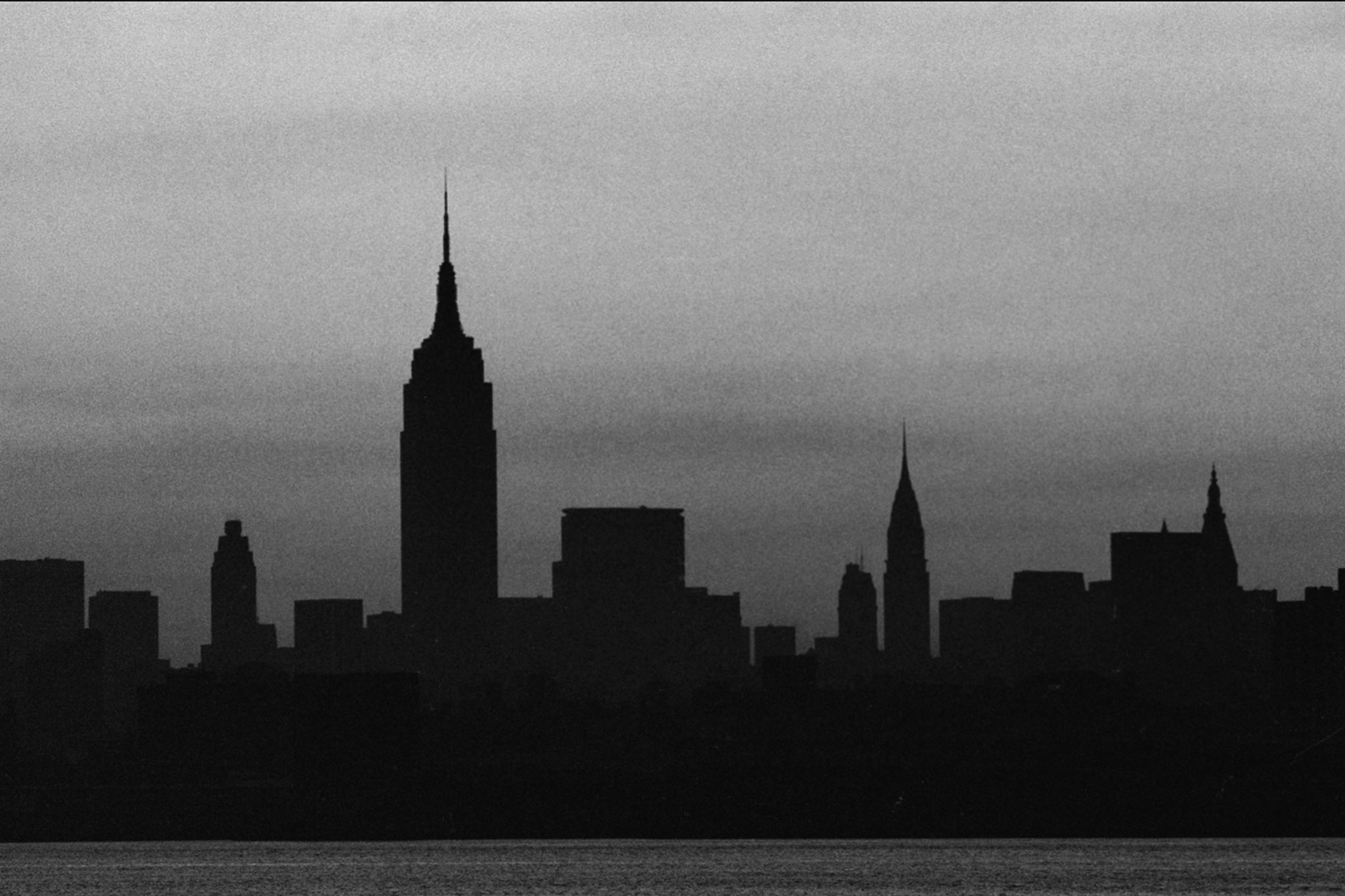
In April 2013, snipers fired roughly 120 rounds into a PG&E substation near San Jose, disabled 17 transformers in under 20 minutes, and slipped away clean. No arrests followed. A FERC analysis had already found that knocking out nine substations could black out the entire country, and replacement transformers climbed to as long as five years to build. Aging equipment, foreign sabotage, and power-hungry data centers all pulled at the same fragile machine, one bespoke device that became civilization's linchpin. A new solid-state design promised some relief. Nobody knew if it would arrive before the next crew with rifles.
Unlocked for LBR Readers →
02 • 17 Minute Read
The Guardian Maggie Harrison Dupré
Did someone wearing Meta Glasses film you today? Are you sure?
A pair of Meta smartglasses
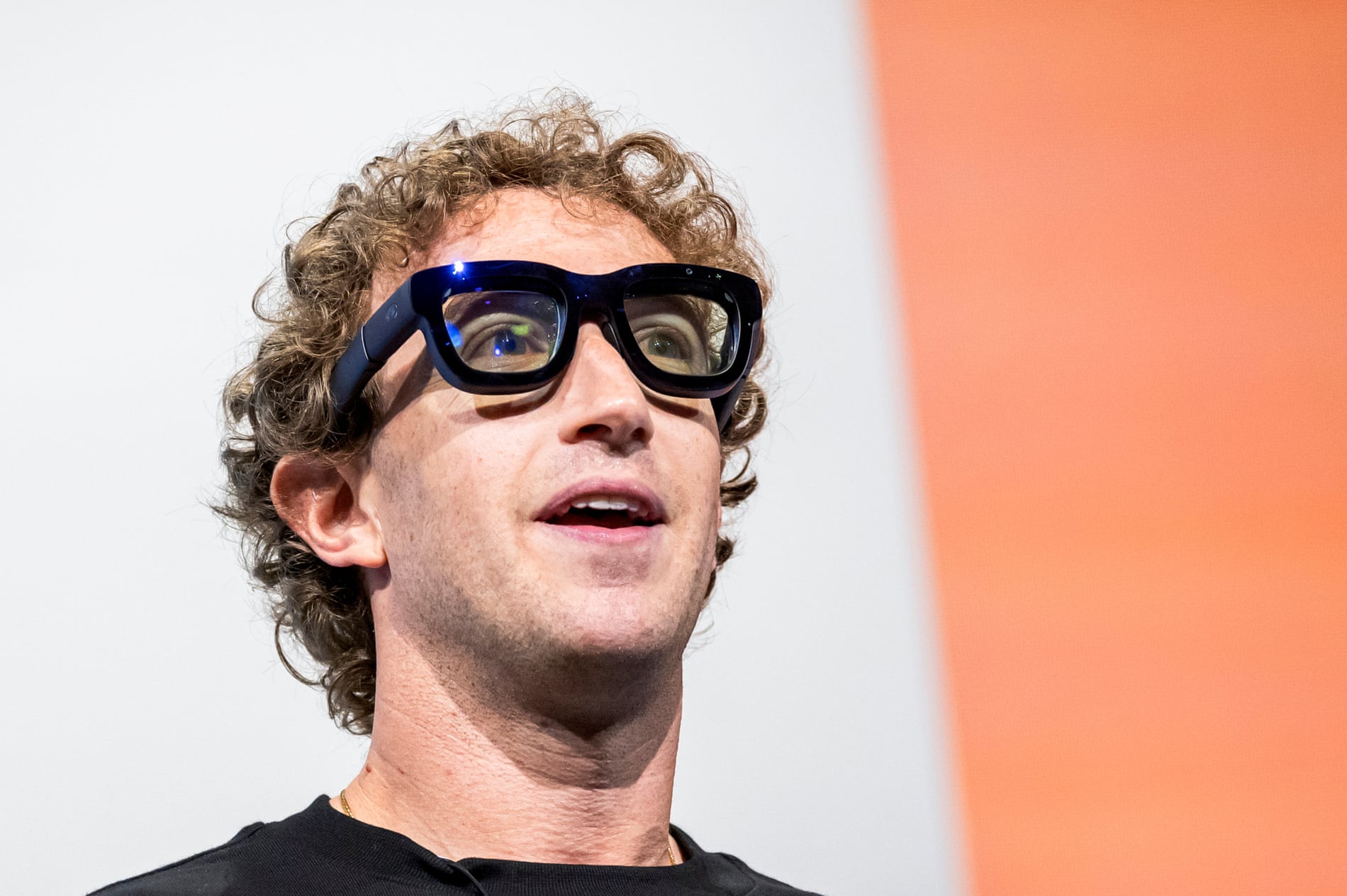
For about $20 and 15 minutes, a vendor called Ghost Metas disabled the LED that warned bystanders when Meta smartglasses recorded. The glasses sold roughly 7 million pairs in 2025 and became tools for covert filming: pickup artists trolling campuses, a mother secretly recorded inside her own home, contractors reviewing footage of wearers undressing. Leaked code showed Meta had quietly built facial recognition called NameTag, then deleted it. A class action followed. Meta insisted its LED could not be switched off. The disablers said they were still working.
Read the Story →
03 • 9 Minute Read
Victory Journal Nina St. Pierre
wizard mode
Louise Wagensonner playing pinball
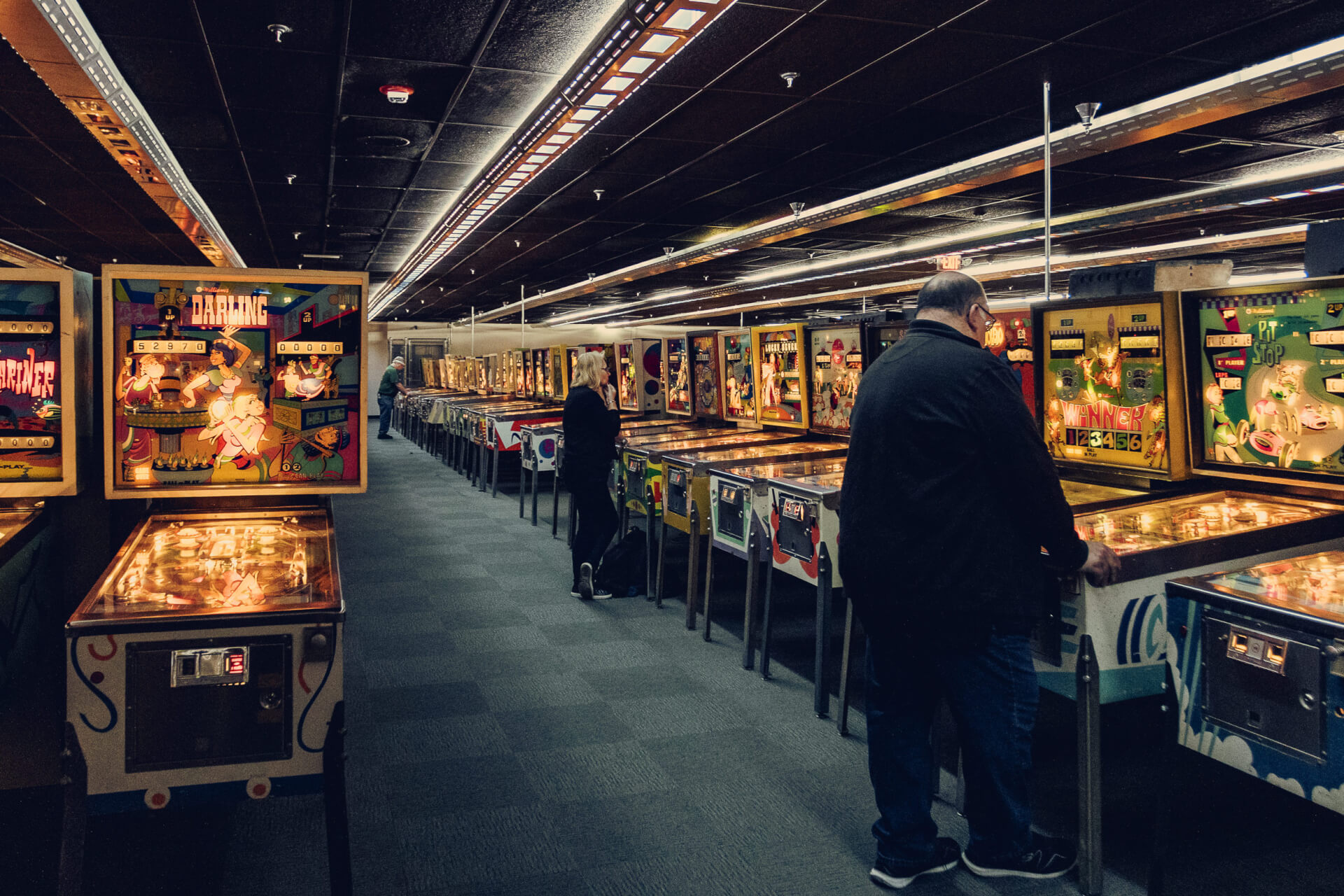
At 30, a Welsh HIV research scientist named Louise Wagensonner had never touched a pinball machine. A decade later she ranked among the top women players in the world. From a UCSF biosafety lab to a California arcade of 1,100 machines, competitive pinball rewarded the same logic as her bench science: read the system, test, refine. Only 5 percent of ranked players were women, and Wagensonner was one of two top-ranked mothers. At the tournament she posted the highest score of the bracket. Then the machine handed her opponent one more ball.
Read the Story →
04 • 15 Minute Read
WIRED Manisha Krishnan
How Teen 'After-Prom' Kings in LA Monetized the High School Rager
Teen party promoters in Los Angeles
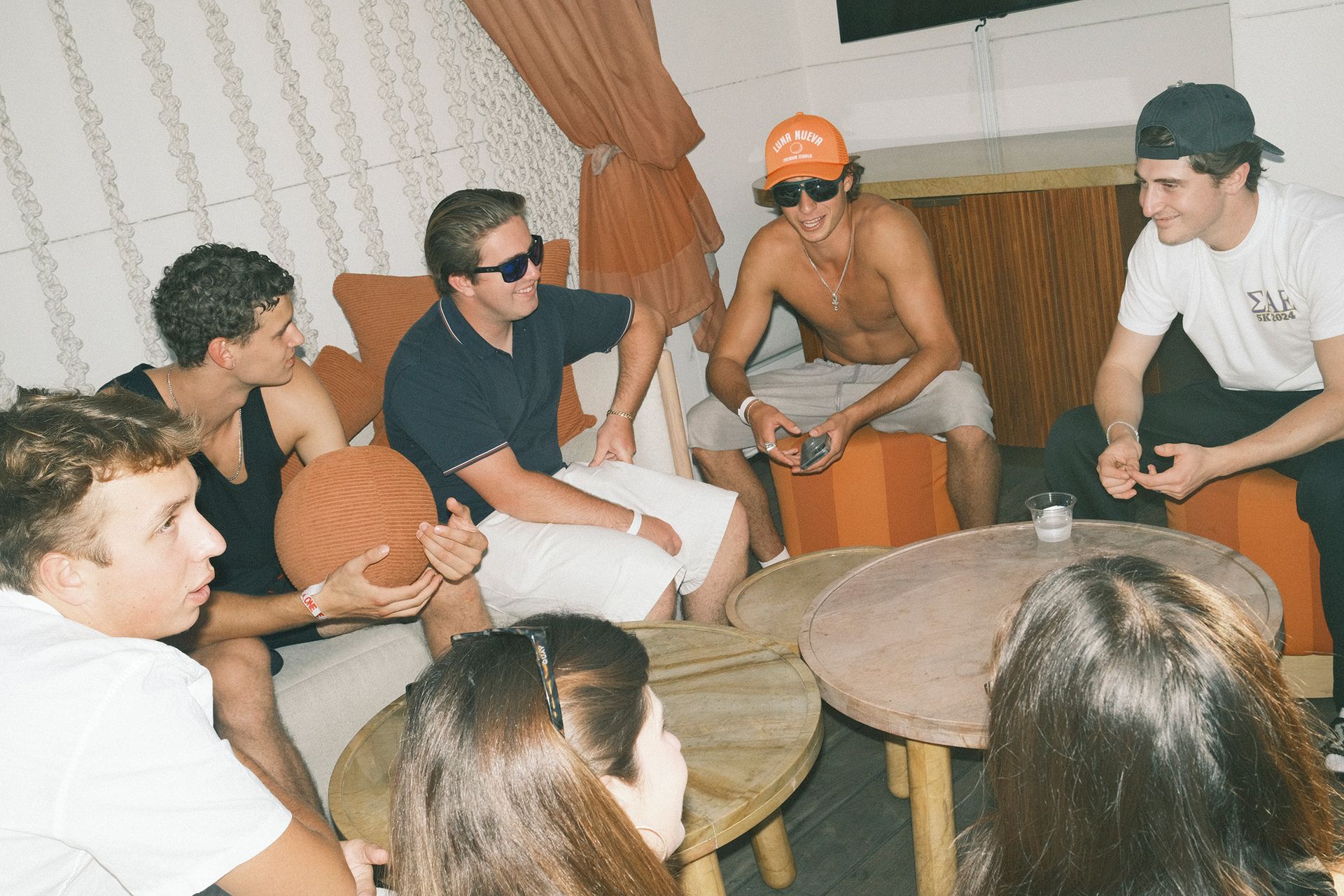
Asked what a table cost at his party, Jack Schwartz, 21, pulled a white envelope holding $27,500 in cash from his leather jacket and slid it across a desk. He started throwing ragers in Los Angeles at 14. His app, MyPlots, claimed more than a million users and took 20 percent of every sale, much of it from under-21 crowds at "after-prom" events. Broken floors, shoving security, an ambulance. Insurance brokers said no carrier could legally cover minors serving alcohol. Schwartz insisted he barely knew the promoters filling his platform.
Read the Story (Might be Paywalled) →

Further Reading

The New York Times
The 50 Best Thriller Books of the 21st Century
The Atlantic
Democrats Are Failing the Waymo Test
WIRED
Astronomers detect fastest known star in Milky Way

Spread the Word

If someone you know would enjoy this, forward it their way.

Forward This Email →