This website uses cookies

Read our Privacy policy and Terms of use for more information.

LUNCH BREAK READS

  • Aaron Spencer shot a man 15 times after finding his 13-year-old daughter in the man's truck, and now he is the Republican nominee for sheriff.

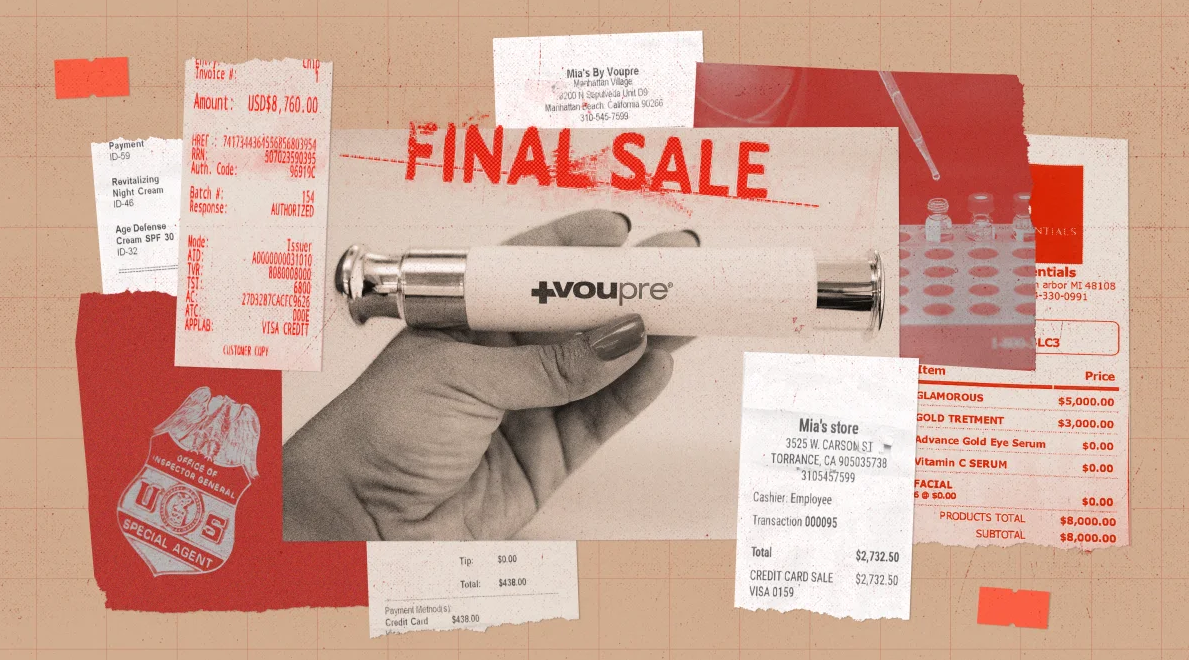
  • NPR spent a year on a skincare sales scheme that left elderly customers with five-figure charges.

  • Chris Moody and his wife ditched the internet at their North Carolina cabin, and his screen time fell 80 percent in a week.

  • Molly Fischer rides along as Waymo's robotaxis spread to fifteen cities and the failures get stranger.

Support Lunch Break Reads

If you look forward to these four reads every day, consider joining the Lunch Club. It keeps LBR going.

Join the Lunch Club →
01 • 18 Minute Read
SlateJessica Pishko
A Killing in Arkansas
Aaron Spencer shot Michael Fosler 15 times on a country road in October 2024, after finding his 13-year-old daughter in Fosler’s truck. Fosler had been out on a $5,000 bond for raping her. Spencer faced second-degree murder charges until the sheriff’s office lost the dashcam SIM card and a judge dismissed the case. Now he’s the Republican nominee for sheriff of that same office. Jessica Pishko spent a weekend at the Lonoke County Fair, where strangers called him a hero and said they’d have done the same. What does a county owe the man it failed twice?
Read the Story →
02 • 23 Minute Read
NPRCaley Fox Shannon, Monika Evstatieva
The skincare scheme that led to consumer complaints, lawsuits and a federal investigation
A salesperson at a Santa Fe spa told a 67-year-old woman her card had been declined, so she handed over another. That evening her banking app showed $44,280 in charges for a purchase she thought cost $600. In Michigan, an elderly man with dementia was charged $42,000 for skincare products and devices. In Hawaii, a disabled woman said a salesperson took her walker and kept her in a back room for hours until she spent $2,600. NPR’s Caley Fox Shannon and Monika Evstatieva spent a year on these stories, interviewing more than 50 customers, relatives, and former employees and obtaining nearly 500 consumer complaints through public records requests.
Read the Story →
03 • 15 Minute Read
The AtlanticChris Moody
Life Really Is Better Without the Internet
After his son was born, Chris Moody spent hours a day on his phone, scrolling forums about personal finance and vintage hats while his wife, Cristina, felt abandoned in early motherhood. The couple had vowed to raise their child in a tech-lite home, and they had lived offline before, spending two years in a converted cargo van on public land. One spring afternoon on their porch, Cristina suggested they get rid of the internet entirely. They installed a landline at their North Carolina cabin, which sits beyond the reach of cell towers, and bought a phone book. Within a week, Moody’s screen time had dropped 80 percent. He read whole magazines and long books he couldn’t have focused on before, cooked, took walks with his family, and sat doing nothing at all.
Unlocked for LBR Readers →
04 • 40 Minute Read
The New YorkerMolly Fischer
We’re Learning to Live with Waymos. It’s Going Weird
Waymo’s driverless taxis still have a steering wheel that turns on its own, a leftover from legal rules and retrofitted cars that riders say makes the machine feel familiar rather than spooky. The Google spinoff now runs more than four thousand vehicles in fifteen cities, claims a ninety-two percent drop in serious-injury crashes, and is valued at $126 billion. Its pitch is safety, and its record on that measure is promising. But the strange failures sit outside the statistic. One passenger’s car bolted through a closed highway lane while police chased it. Others have driven into floodwaters, run school bus stop signs, and killed a neighborhood cat. Backlash has followed, from heckling to a mob smashing a car’s windshield with a rider trapped inside. Riders prize having no driver, yet the car cannot protect them from the people around it.
Read the Story →

Other Stories Worth Reading

The Washington Post
An FBI arrest revives fears that U.S. tech companies are hiring spies
Gizmodo
This Deadly Fungus Keeps Learning How to Beat Every Drug We Throw at It
NBC News
Trump says government won’t livestream execution of Fort Hood shooter Nidal Hasan