In partnership with

Not sure where this week has gone! Today's edition includes a family still asking who is responsible for their daughter's death, life inside Russia's secret prisons for Ukrainian civilians, chatbot conversations turning up in courtrooms, and the women who trust Candace Owens over politicians.
|
Join the Lunch Club
📣 Subscriber Shoutout: Thank you to Mallory from Kansas City, MO for supporting LBR this week!
This newsletter is free. If you want more, consider joining The Lunch Club for access to more content and to support our growth.
|
|
|
A 6-year-old Chinese girl, given the pseudonym Mei, died in 2025 after an experimental gene-editing trial at Shanghai's Xinhua Hospital meant to treat a rare developmental disorder. Her parents paid $860,000, including personal payments to researchers, for treatment led by neuroscientist Zilong Qiu. Seven days after viral infusions into her spine, Mei died of an immune reaction the hospital's own ethics board called "definitely related" to the treatment. The death was never disclosed publicly, and Qiu's team later published related research in Nature without mentioning it. Experts found troubling safety signals in animal studies were overlooked. The grieving parents now want accountability.
|
|
|
The New Yorker
|
Joshua Yaffa
|
|
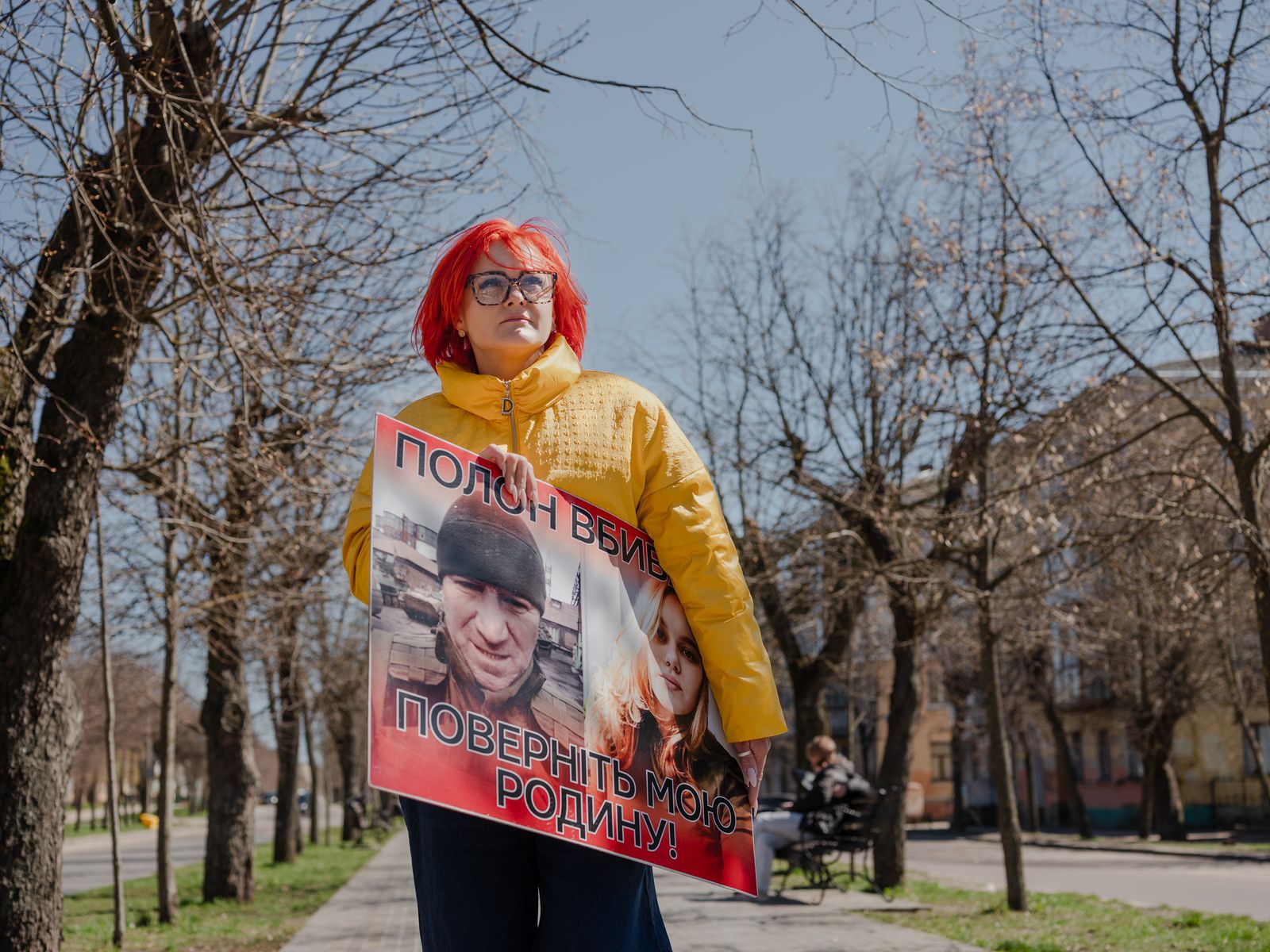
Human-rights groups estimate more than 10,000 Ukrainian civilians have disappeared into Russian detention since the 2022 invasion, held without trial or acknowledgment. One cell at SIZO-1, a jail in Rostov, holds women captured as soldiers, medics, or civilians accused of vague "crimes" like donating $12 to Ukrainian causes or cooking for the Azov Brigade. Their accounts, gathered from interviews and letters after release, describe torture, rape, and squalor in earlier facilities like Izolyatsia, alongside surprising tenderness and solidarity between cellmates. Roughly two-thirds of captured Ukrainian soldiers have been exchanged, but only a small fraction of civilians, since international law bars swapping POWs for civilians, leaving thousands in legal limbo.
|
|
|
Since Charlie Kirk's assassination last year, Candace Owens has grown her platforms 80%, gaining tens of millions of followers by questioning the official account of Kirk's death and promoting theories involving Israel and a cover-up. The 19th interviewed her fans, mostly women in political flux, some ex-liberal, some disillusioned MAGA, who see her as a fearless truth-seeker in a dishonest media landscape, with Christianity central to their trust in her. Experts warn her style echoes historic conspiratorial right-wing media, like the John Birch Society and QAnon: she doesn't just inform, she cultivates loyal, insulated communities.
|
|
|
Washington Post
|
Miriam Waldvogel and Gerrit De Vynck
|
|
AI chatbot conversations are increasingly showing up as evidence in court, exposing how personal these exchanges can be. A Washington Post review found chatbot logs cited in at least 12 court cases over two years, including a teen's addiction lawsuit, a stalking prosecution, hit-and-run and property-damage cases, and civil litigation over noncompete violations. Sometimes AI companies proactively report threatening conversations to the FBI; other times police access logs through consent searches or subpoenas. Unlike attorney-client or doctor-patient communications, chatbot conversations have no legal privilege.
|
|
|
Spread the Word
If someone you know would enjoy this, forward it their way.
|
|