This website uses cookies

Read our Privacy policy and Terms of use for more information.

LUNCH BREAK READS

  • Curtis Malone turned DC Assault into a pipeline to the NBA while running a drug business on the side, and now he’s back on the sideline.

  • Days into a comeback tour, folk singer Todd Snider was found bloodied in his bus bunk, and his friends still argue over what happened next.

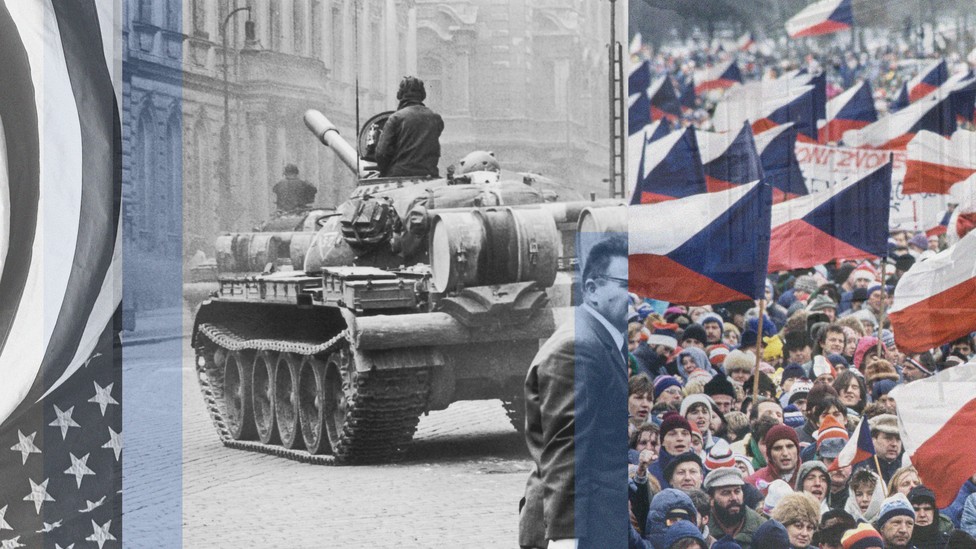
  • V. Patrick Poch fled Communist Czechoslovakia in 1984, and he says he recognizes the playbook in Trump’s second term.

  • After a decade of interviews with former regime insiders, Jieun Baek finds loyalty among Kim Jong Un’s elite running thinner than it looks.

Support Lunch Break Reads

If you look forward to these four reads every day, consider joining the Lunch Club. It keeps LBR going.

Join the Lunch Club →
01 • 30 Minute Read
The New York Times Magazine Jacob Stern
He Ran a Youth Basketball Empire. He Also Had a Massive Drug Operation.
Curtis Malone and DC Assault for The New York Times Magazine story
On a Saturday in March, Curtis Malone worked a gym full of teenage recruits, his phone ringing every few minutes, as he rebuilt DC Assault, the youth basketball program he once made a national power. For two decades, Assault sent players from the Washington, D.C., area to top colleges and the N.B.A., and Malone served as a surrogate father to many. He also ran a cocaine and heroin business that helped fund the team, until federal agents arrested him in 2013. Released from prison in 2020, Malone relaunched Assault last year in a New Balance-sponsored league, vowing to stay clean. The return has been bumpy. Rivals have poached players and spread a video of former star Michael Beasley suggesting Malone used him, a claim Malone rejects. Twice before, when his basketball ambitions collapsed, he turned to dealing. Asked whether that could happen again, he insists failure isn’t in his vocabulary.
Unlocked for LBR Readers →
02 • 20 Minute Read
The Washington Post Geoff Edgers
A folk singer was found bloodied on his bus. His death wasn’t the end of the story.
Todd Snider for The Washington Post story
Last November, Todd Snider sat on a Salt Lake City bench with staples in his head, telling skeptical police and firefighters he’d been mugged. Snider, a Nashville folk singer-songwriter who released more than 20 albums, had long charmed audiences while fighting chronic pain and a pill addiction. Days earlier, he had opened a comeback tour in Colorado with a ferocious show. Before the next show, his road manager found him bloodied in his tour bus bunk. Parking lot cameras showed Snider never left the bus, pointing to a fall, and the tour was canceled. When Snider fired him during an outburst on a flight home, the manager stayed aboard, leaving Snider behind. He got back to Nashville and sent friends alarming messages before dying of pneumonia and sepsis on Nov. 14, at 59. His final album is out, but friends argue over what happened and whether he was abandoned.
Read the Story →
03 • 17 Minute Read
The Atlantic V. Patrick Poch
I Thought I’d Left Authoritarianism Behind
Illustration for The Atlantic essay by V. Patrick Poch
Late in the summer of 1984, over lunch in Brno, in what was then Communist Czechoslovakia, V. Patrick Poch told his father, who was dying of cancer, that he planned to defect. His father, outwardly a loyal party member, confessed that he had secretly spied for the West for decades. Days later, Poch crossed the Julian Alps from Yugoslavia into Italy and asked to emigrate to America, which he saw as a beacon of democracy. He became a citizen and joined the State Department in 2010. Writing in a personal capacity, he now argues that Donald Trump’s second term follows the authoritarian playbook he fled, from attacks on judges and journalists to troops in American cities. What frightens him most is ordinary citizens looking away, as his neighbors in Brno once did. He insists America can still choose differently, through conscience, protest, and voting, but warns the window is narrowing.
Unlocked for LBR Readers →
04 • 20 Minute Read
Foreign Affairs Jieun Baek
North Korea’s Enemies Within
North Korea politics photo for the Foreign Affairs story
In 2015, North Korean diplomat Thae Yong Ho was assigned to escort Kim Jong Un’s older brother to an Eric Clapton concert in London. His sons were outraged that the Kims enjoyed music forbidden to everyone else. A year later, Thae defected with his family, weeks after fervently defending the regime. Drawing on a decade of interviews with former regime insiders, Jieun Baek argues that such turns reveal a growing gap between public loyalty and private doubt among the country’s elite. Kim’s purges, like the 2013 execution of his uncle Jang Song Thaek, taught them closeness to power brings danger. They want security and better futures for their children, which Kim cannot provide without loosening the controls that protect him. Surveillance keeps doubters isolated, so Baek sees no imminent collapse. But in a succession fight or economic shock, she warns, officials who only perform loyalty may abandon him.
Read the Story →

Other Stories Worth Reading

The Atlantic
The Classics Everyone Should Read Today
Associated Press
Karl Bushby completes 28-year, 31,000-mile walk around world and returns to mother’s house
CNN
Russia’s security service detains a teenager planning a ‘terror attack’ after a US tip-off