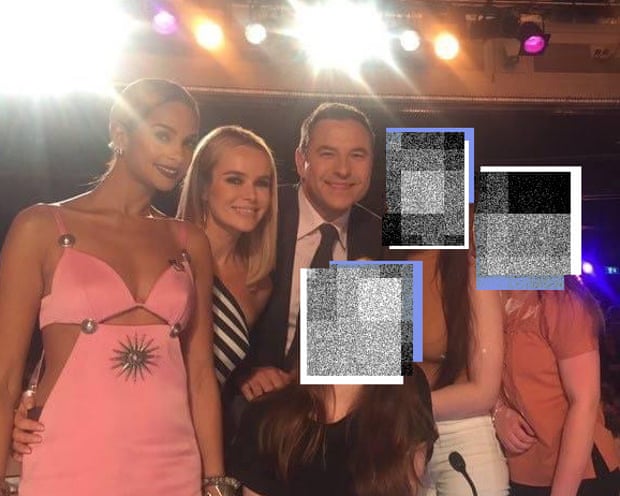
In January 2004, a 15-year-old aspiring comedy writer picked up the phone to hear David Walliams, a rising star of the British sketch show Little Britain, praising scripts she had given him. She alleges that their contact turned sexual when she was 17 and he was 34. She is one of several women who allege Walliams, now a bestselling children’s author, used his fame to pursue them as teenagers or young women. Another alleges he initiated sexual contact with her at his London home when she was 15. Former staff at Britain’s Got Talent, where he was a judge, and at his publisher, HarperCollins, described unwanted attention toward young female employees. HarperCollins later dropped him. Walliams denies any wrongdoing, saying he sometimes behaved thoughtlessly in casual relationships but never abused his power or broke the law.
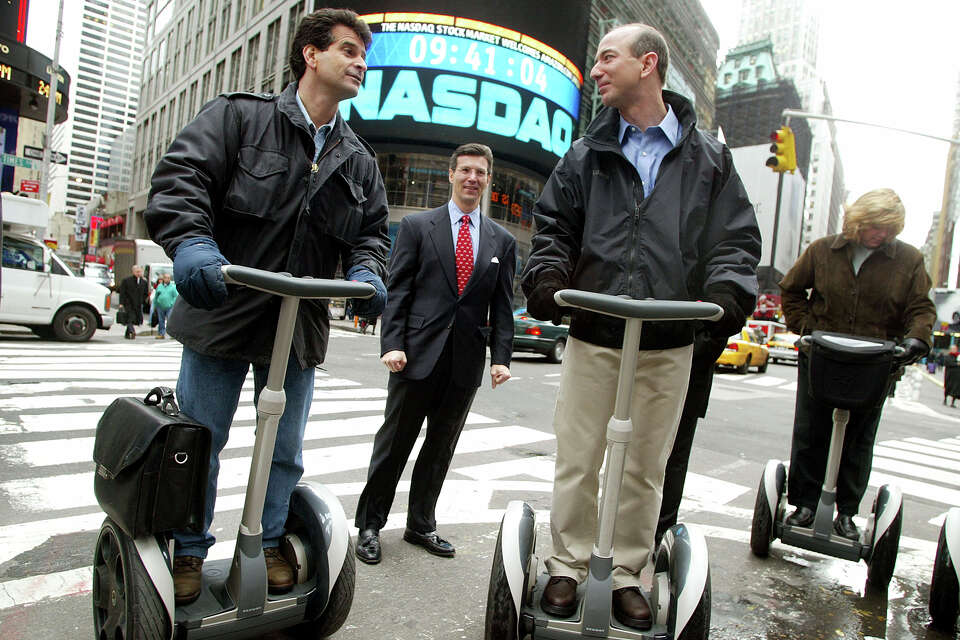
On Dec. 3, 2001, inventor Dean Kamen unveiled the Segway on “Good Morning America,” promising his self-balancing two-wheeler would be to the car what the car was to the horse and buggy. The $100 million machine instead became a punchline, though it flourished at San Francisco tourist spots like Fisherman’s Wharf and Golden Gate Park. Riders there also got hurt. Lawsuits filed in the city alleged the scooters threw people off, causing injuries such as broken ribs and a punctured lung, and claimed executives hid research showing the devices were dangerous. Nearly all of those cases were settled or dismissed, and the original Segway is no longer made. Segway-branded electric kick scooters still draw lawsuits, including a 2025 case alleging that 220,000 recalled models had handlebars that collapsed under riders, which the company calls a routine maintenance issue.
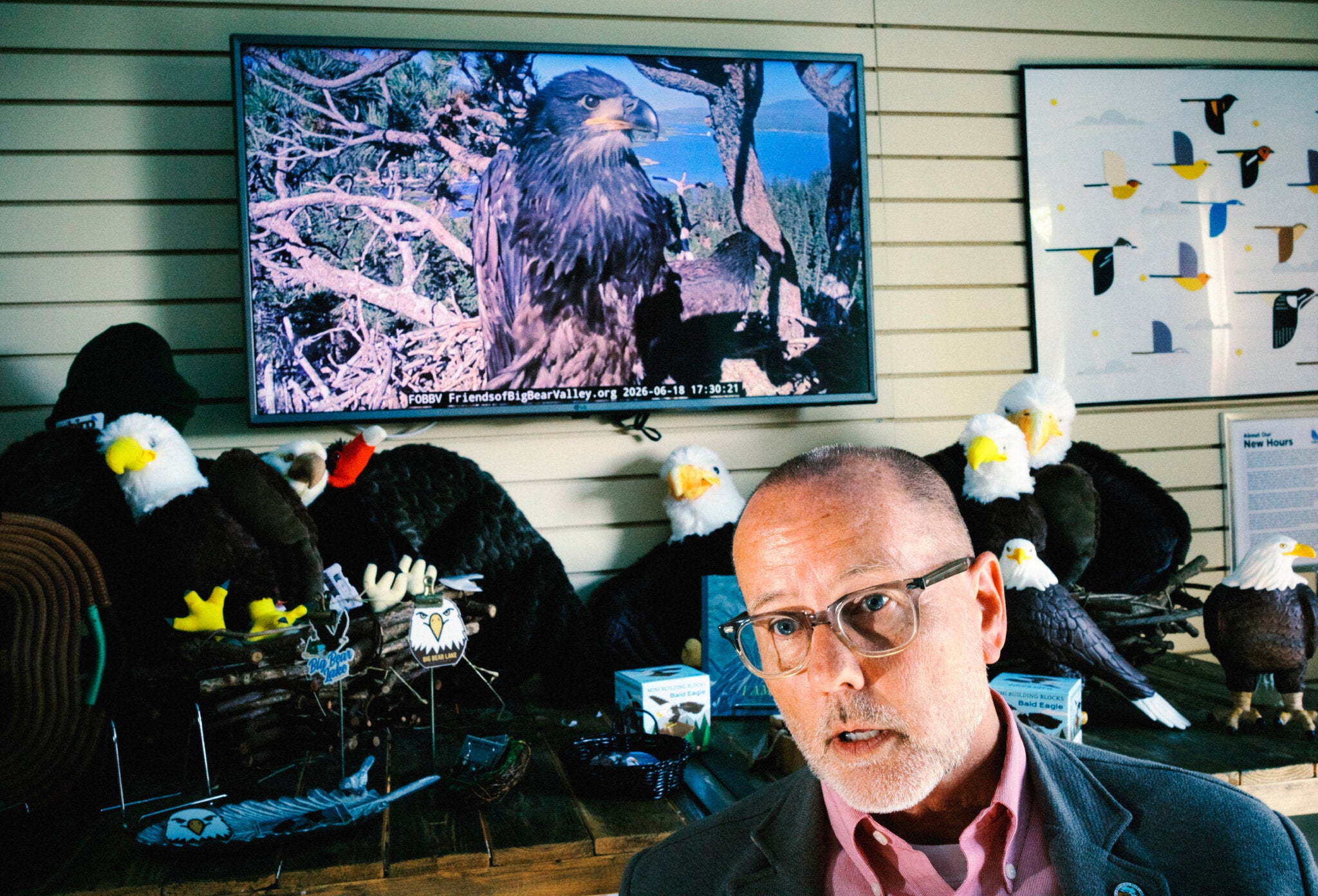
High above Big Bear Lake in Southern California’s mountains, a camera clamped to a 150-foot tree has streamed a bald eagle nest since 2015 and drew hundreds of thousands of viewers during the pandemic. Writer Sam Anderson, hooked on the feed during a bleak winter, went there in June hoping to see the eaglets fly. What he found was messier, including a lake created by a farmer’s dam, eagle-cam screens in every lobby, and a $10 million fight to save the last undeveloped shoreline, a campaign the cam helped fund. Anderson argues the stream offers a flattened paradise, while the real place shows where the eagles actually fit in the world. He never saw the mother, Jackie, in person, and weeks after her eaglets fledged she died of avian flu. By September, a new female had joined her mate, Shadow, and carried the first stick back to the nest.
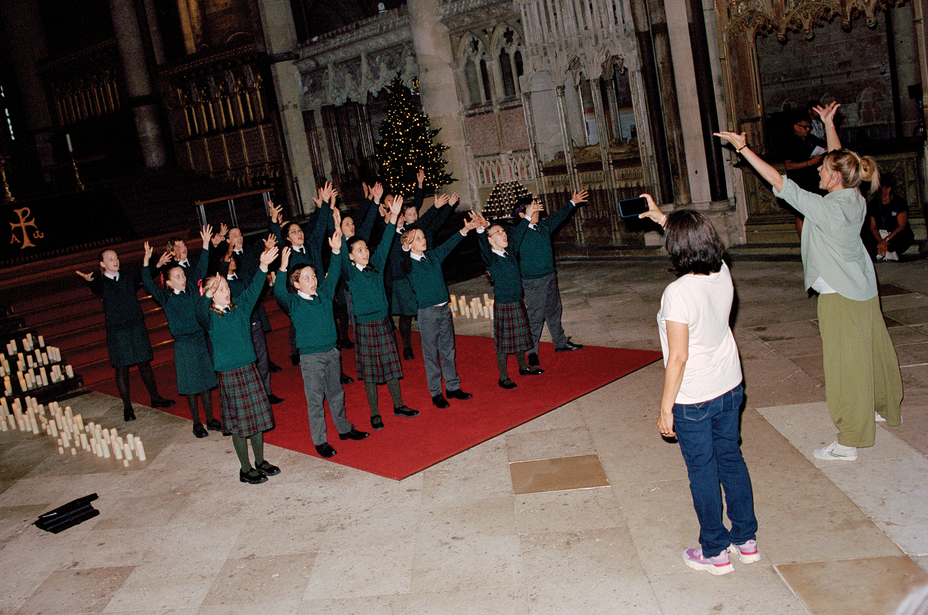
On a July shoot in Canterbury, England, a crew sprays three kinds of artificial snow around the cathedral so two leads can share the final kiss of a Hallmark Christmas movie. Humor writer Alexandra Petri went there as an extra to study how something so carefully fake can feel real. Hallmark, now 25, releases dozens of holiday films a year, most following the template of 2006’s The Christmas Card. On set, Petri is abruptly promoted from passerby to Lord Mayor of Canterbury, a role she learns mid-take is a plot point, and dissolves into uncontrollable laughter while improvising. She argues that, unlike the AI holiday videos flooding social feeds, these films are made by people whose job is making things nice. The artifice is glaring on set, yet on the monitor it briefly turns real, and made magic, she concludes, is the only kind we get.