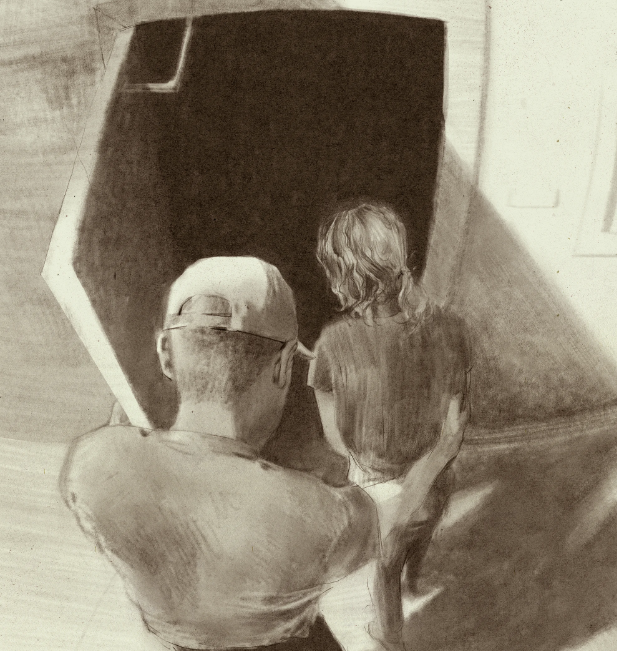
In fall 2024, a woman at the federal women’s prison in Aliceville, Alabama, told her cellmate one officer had raped her and another, Felix Wilder, was targeting her. The cellmate knew the pattern from FCI Dublin, a California prison whose warden, chaplain, and nine other staff were charged in the Bureau of Prisons’ largest sex abuse scandal. Afterward, Congress voted to create an independent oversight office, inspectors toured women’s prisons, Dublin closed, and a judge imposed a consent decree. Yet reporters tallied more than 185 abuse cases since 2021 involving about 96 officers at 16 prisons, and only 19 officers were arrested or convicted. Inspections cleared prisons where abuse was underway, and accused officers often retired before discipline. Wilder, accused by at least 17 women, has pleaded not guilty, and the bureau claims zero tolerance. The Dublin decree expires early next year, and Congress has never funded the oversight office.
In September 2019, a woman called Tina received a message with a Pornhub link to sexually explicit videos her abusive ex-boyfriend had coerced her into making after she tried to leave him. Over months he posted her videos and photos more than 100 times from accounts listing her address, phone number, and employer. At the time, anyone could upload to Pornhub, owned by Montreal-based Aylo, without verifying their identity. Court documents showed Aylo removed more than 347,000 nonconsensual videos in 2020, with overwhelmed moderators and takedowns that dragged on for weeks or months. Aylo began verifying uploaders in December 2020 and has proposed a $120 million settlement for people depicted as minors, while admitting no wrongdoing. Yet internal records suggest its safeguards were weaker than it claimed, and abusive videos still slipped through in 2025. The settlement awaits final approval in February, and Tina still finds Pornhub results when searching her name.
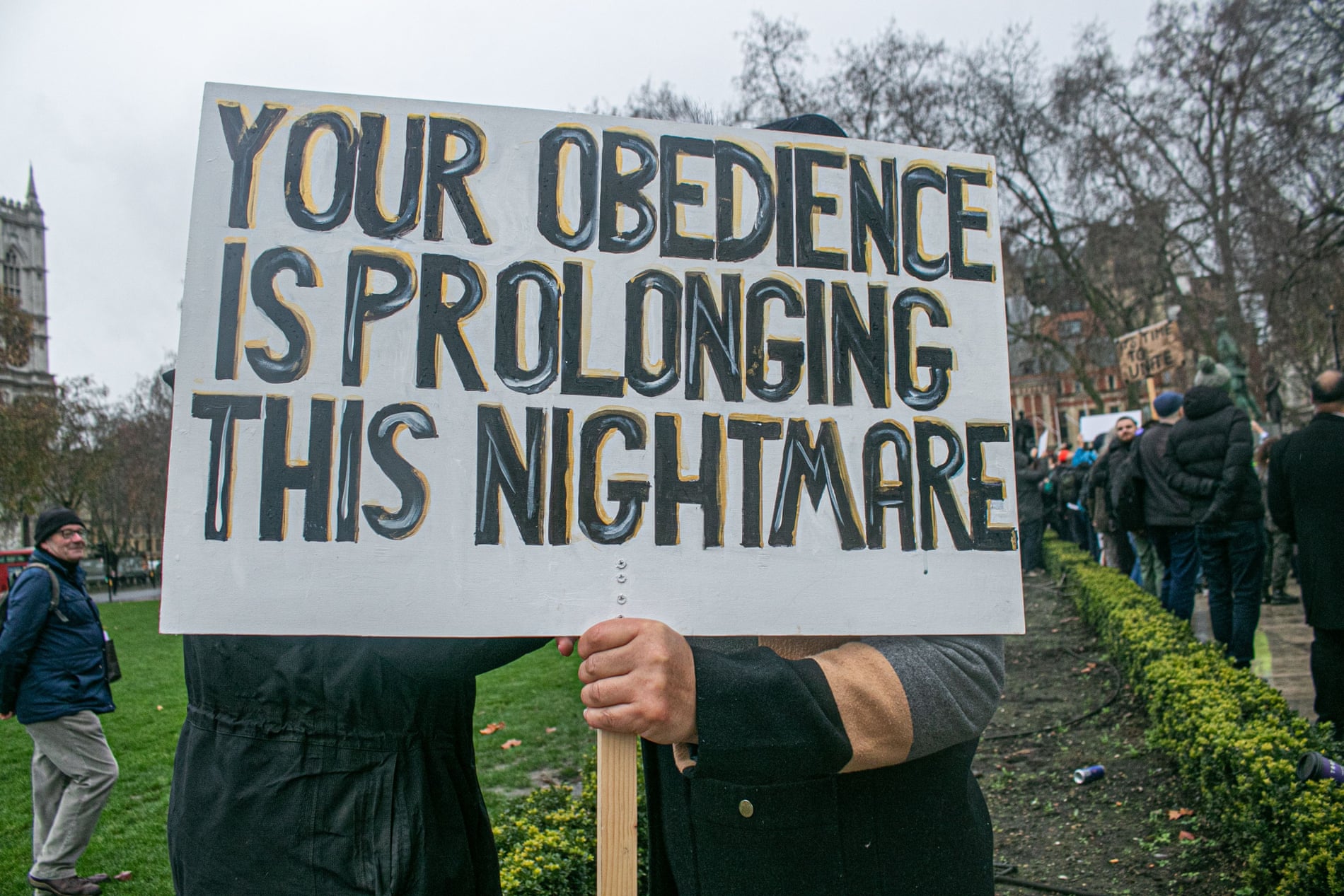
In June 2023, 13 police officers raided the Hampshire home of Iain Clifford Stamp, whose British company, Matrix Freedom, sold members instructions for erasing mortgages, taxes, and fines for up to £8,000. The scheme drew on sovereign citizen ideology, the belief that the state governs only a legal “strawman” version of each person and that the real individual can escape by withdrawing consent. Born in the American militia movement and spread by gurus selling legal scripts, the idea gained British followers after the 2008 crash, the pandemic, and legal aid cuts that left many people representing themselves in court. A judge struck out Stamp’s mortgage claim as a “get-rich-quick scheme,” and he was sentenced in absentia to a year for contempt after fleeing to Northern Cyprus. Former members say they lost thousands, which Stamp disputes. Councils report rising pseudolegal claims, and experts warn AI-generated content could spread the ideology faster.
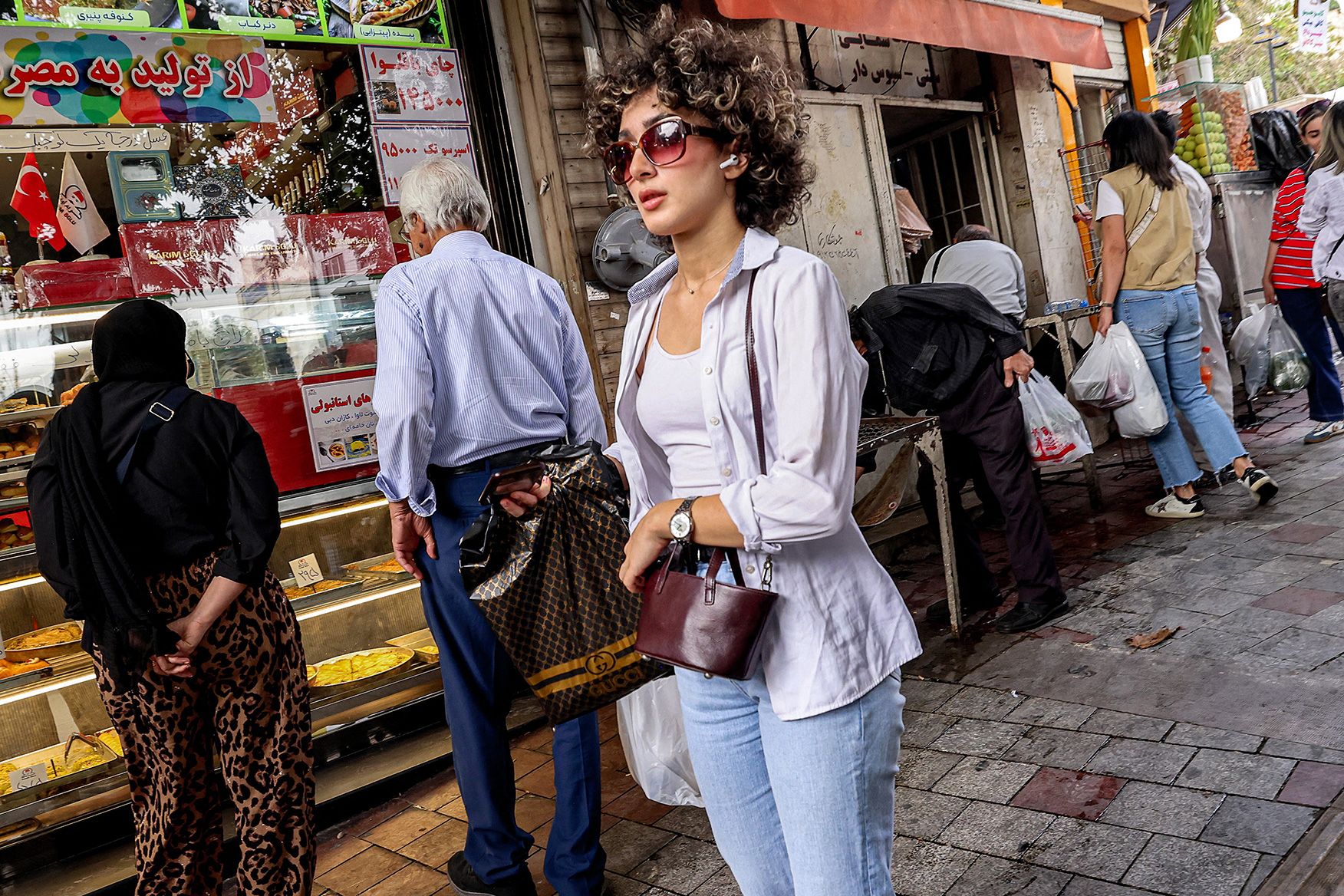
On Iranshahr, a fashion street in central Tehran, a woman named Yasaman sells anime drawings from a pavement stall, dressed in bold pink, without a headscarf. Iran has required women to cover their hair since 1983, and after the 2022 death of Mahsa Jina Amini, a young Kurdish woman in morality police custody, those patrols largely retreated. The women that Parisa Khoshnami, an Iranian writer in Paris, interviewed insist their clothes are personal, not political. Khoshnami argues their sheer numbers make them political anyway, drawing on the sociologist Asef Bayat’s idea of a “non-movement,” scattered individual acts that add up to change. Unlike the late-2025 “Crimson Winter” protests, which demanded regime change and were crushed, this quiet defiance makes no demands and is harder to stamp out. The state keeps a 2023 hijab law on the books but unenforced, and each retreat, she writes, erodes its authority.