|
Support Lunch Break Reads
If you look forward to these four reads every day, consider joining the Lunch Club. It keeps LBR going.
|
|
Four interesting reads to beat the doomscroll during today's lunch break.
|
The Atlantic
|
Caitlin Flanagan
|
|
|
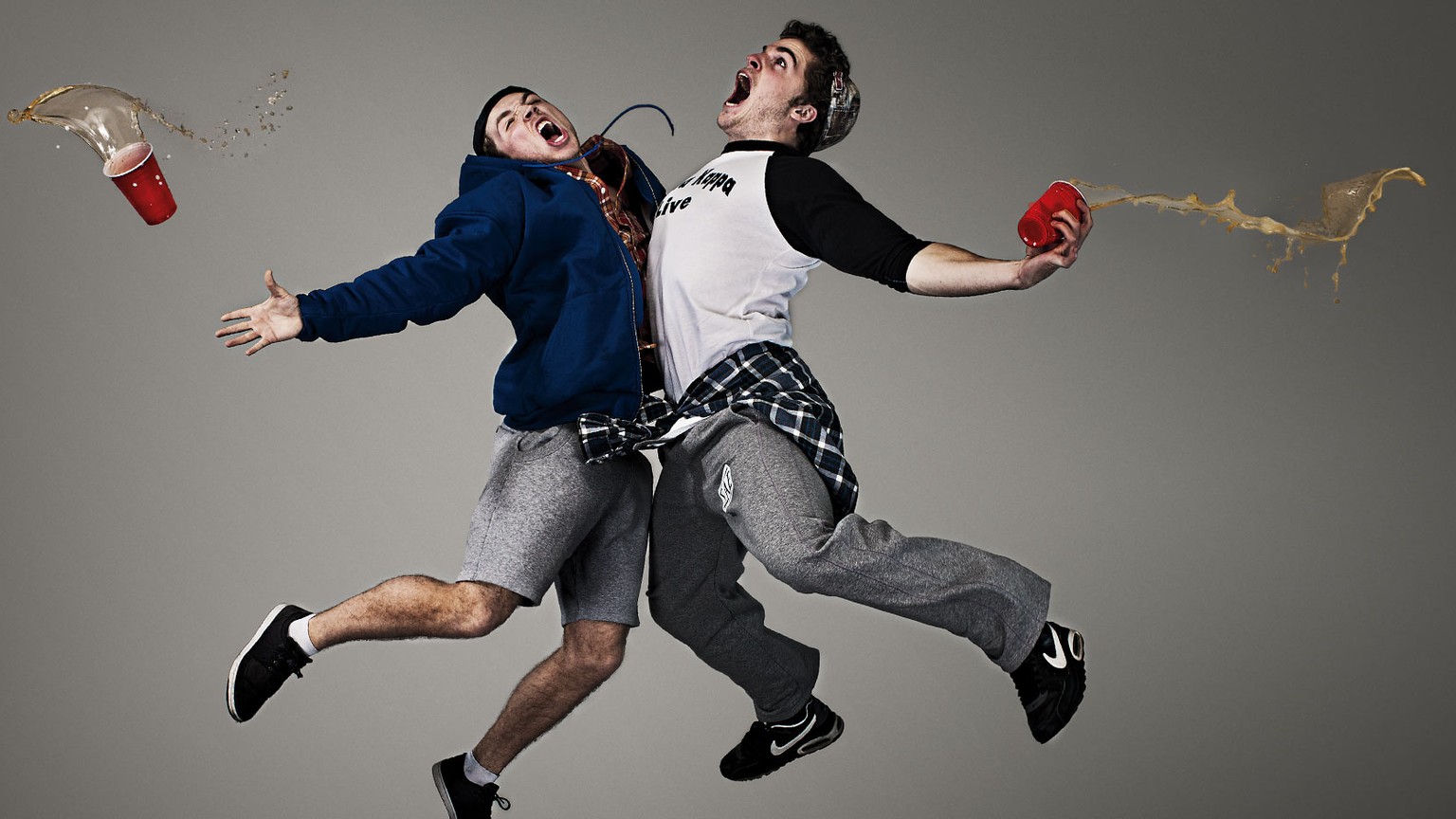
This 2014 feature from Caitlin Flanagan is particularly prescient given the recent rape investigation at Cornell University. One spring night in 2011, a Marshall University student fled a friend's exploding bottle-rocket stunt, fell off a fraternity deck that lacked a railing, and sued. Lawsuits like his, and grimmer ones over deaths, brain injuries, and rape, show how often campus harm clusters at fraternity houses. After ruinous settlements in the 1980s, national fraternities built risk-management systems that push liability onto individual members. Brothers who break alcohol rules can lose coverage, leaving their parents' homeowners' insurance to pay. Colleges, reliant on Greek housing and alumni donors, often hesitate to intervene. Wesleyan University let Beta Theta Pi operate beyond its oversight for years and warned students away, but not incoming freshmen. In 2010, one was sexually assaulted there by a nonmember, later convicted. When she sued, the university argued in court that she had failed to take reasonable care for her own safety, before quietly settling.
|
|
|
The Guardian
|
Katie McQue and Mei-Ling McNamara
|
|
At 12, a Washington, DC, girl called Maya started getting Instagram messages from a 28-year-old man who flattered her, then used her account to sell her for sex, according to Tina Frundt, who runs a center for trafficked children. Prosecutors describe traffickers using Facebook and Instagram to recruit victims and negotiate with buyers, and some accuse Meta of stalling on warrants, which the company calls false. Because federal law requires reporting child abuse imagery but not trafficking, Meta reported only three trafficking cases to the national clearinghouse from 2009 to 2019, though it says others were filed under other categories. Former contract moderators say cases they escalated often went nowhere. Maya died at 15, after a 43-year-old man she met on Instagram gave her drugs, and Frundt says videos of her exploitation were still up.
|
|
|
The Sun Magazine
|
Derek Askey
|
|
A few weeks after his father died of cancer in a Pittsburgh ICU, Derek Askey was seated as an alternate juror in a Durham, North Carolina, trial of a man accused of strangling the mother of his infant child. Barred from discussing the case, Askey, a new father, came home each night unable to tell his wife what he'd seen. He weaves the trial with memories of his dad, who once carried the family's paralyzed Labrador out of a ravine and told his sons they should have come for him sooner. That refrain, "You should've said something," haunts Askey, who told his father how grateful he was only once he was unconscious. He kept the trial to himself partly to shield his son. After a guilty verdict and a life sentence, he finally told his wife and felt the weight lift.
|
|
|
The New York Times
|
A.G. Sulzberger
|
|
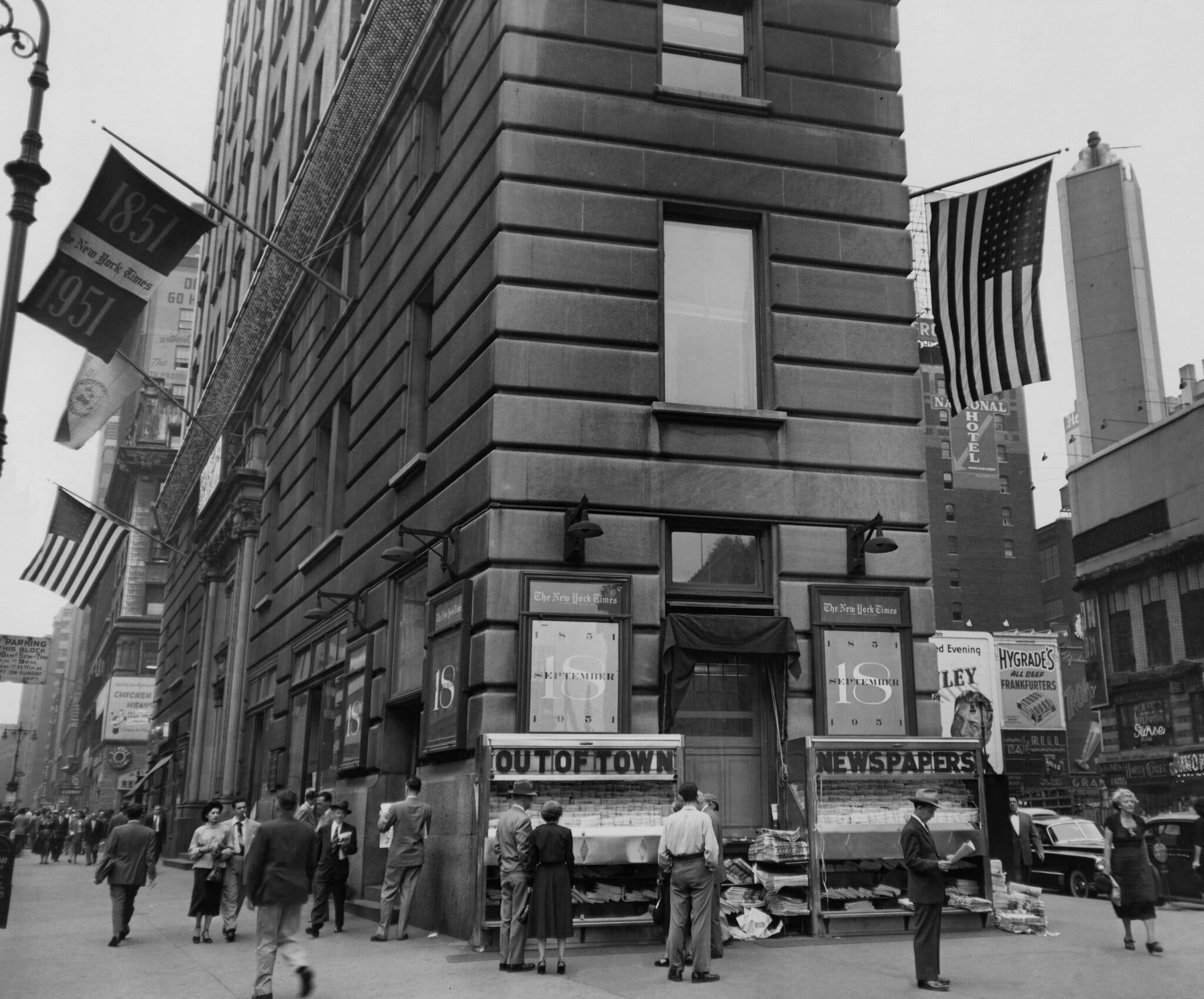
In the decade after 2004, The New York Times Company lost about three-quarters of its workforce, watched its stock fall from $48 to $4, and sold its brand-new headquarters. Today the paper has more than 13 million subscribers and owns the building again. A.G. Sulzberger, its publisher and the fifth generation of his family to lead it, argues it survived by holding to two commitments, investing in quality journalism and guarding its independence. His predecessors repeatedly spent more on reporting during downturns, and his father held newsroom head count flat while selling off nearly every other company asset. They also defied pressure from presidents, advertisers, and the Chinese government, at real financial cost. Sulzberger credits a family trust that locks up control and forgoes any windfall. Still, he warns, the industry is failing, and Google earns more in a day than the Times does in a year.
|
|
Other Stories Worth Reading
|
|
|
Other Stories Worth Reading
|
|
|