On March 17, a North Carolina mother learned that school monitoring software had flagged her 13-year-old daughter's Chromebook, then opened the girl's Google Doc and watched her type a goodbye note in real time. The girl, called Emma in court filings, had spent three months confiding in AI Mode, a chatbot in Google Search, sending more than 7,000 messages that drifted from homework to planning her funeral. Schools could disable Google's Gemini chatbot but not AI Mode, which saved only her questions, not its answers. Nothing alerted her parents for weeks, even though she mentioned suicide 162 times in February alone. They are now suing Google, alleging it pushed AI into classrooms to compete without giving schools or parents the tools to protect children. Google says it works to steer users in crisis toward help. Emma, now in therapy, insists the chatbot never fooled her into thinking it was real.
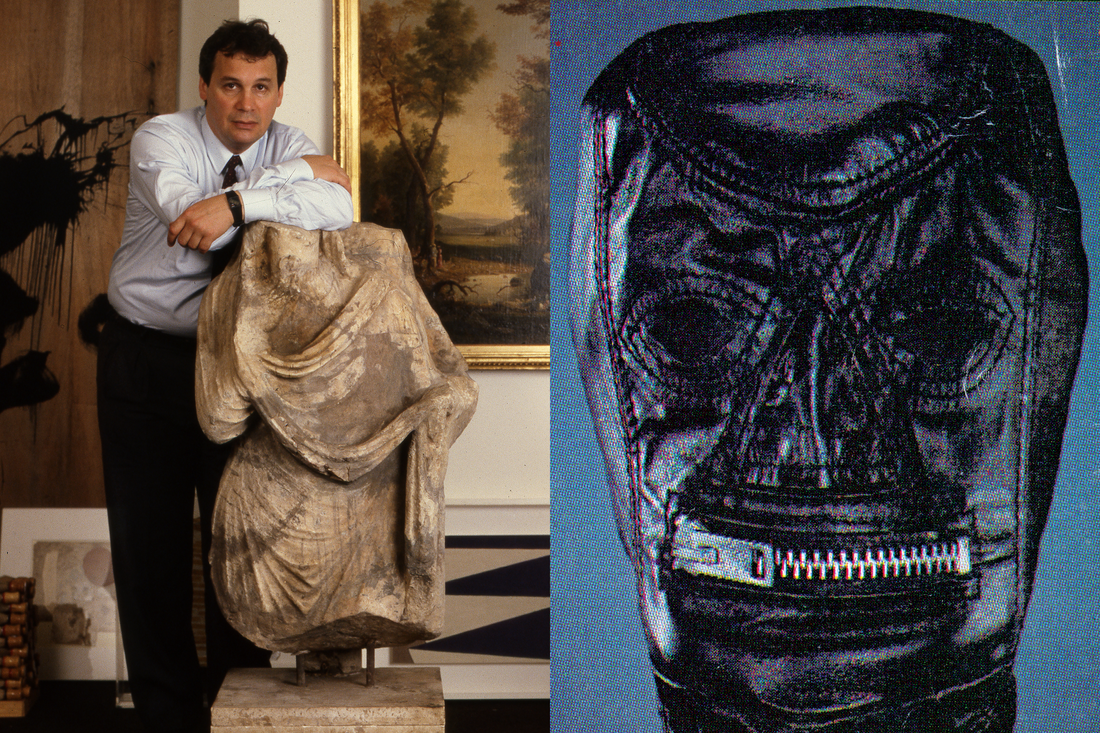
In February 1985, Manhattan art dealer Andrew Crispo met Eigil Dag Vesti, a 26-year-old Norwegian fashion student, at a BDSM club and brought him to his penthouse. By morning, Vesti had been whipped, driven upstate in handcuffs and a leather mask, and shot by Crispo's assistant, Bernard LeGeros, who says Crispo ordered it. Crispo, who had risen from a Philadelphia orphanage to run one of Manhattan's top galleries, was never charged. Three years later, a jury acquitted him on charges of torturing another young man after a fellow inmate passed his lawyers inside information from a detective on the case. LeGeros served 33 years. Crispo died broke in 2024, and his abandoned storage units, full of art and papers now contested by relatives he never met, show how he used his connections to escape justice.
On June 23, 2025, paramedics called to the home of John Nelson, who had just died at 64 in St Helens, England, noticed two hand grenades on his mantelpiece. Hidden among his hoarded piles were more than 400 explosive devices, plus booby traps and spiked pits in the garden. Around 200 households were evacuated for five days as bomb technicians cleared the house by hand, guided by a notebook in which Nelson had mapped every trap. Police called him a recluse. But more than 100 people, many of them recently evacuated neighbors, packed his funeral. They knew him as Spike, a gentle, well-read eccentric who tidied elderly neighbors' gardens and assured them his devices had no fuses. The Army sergeant who disarmed them says every component was live. His belongings have since been thrown out, and the house sits empty while the council and distant relatives fight over it.
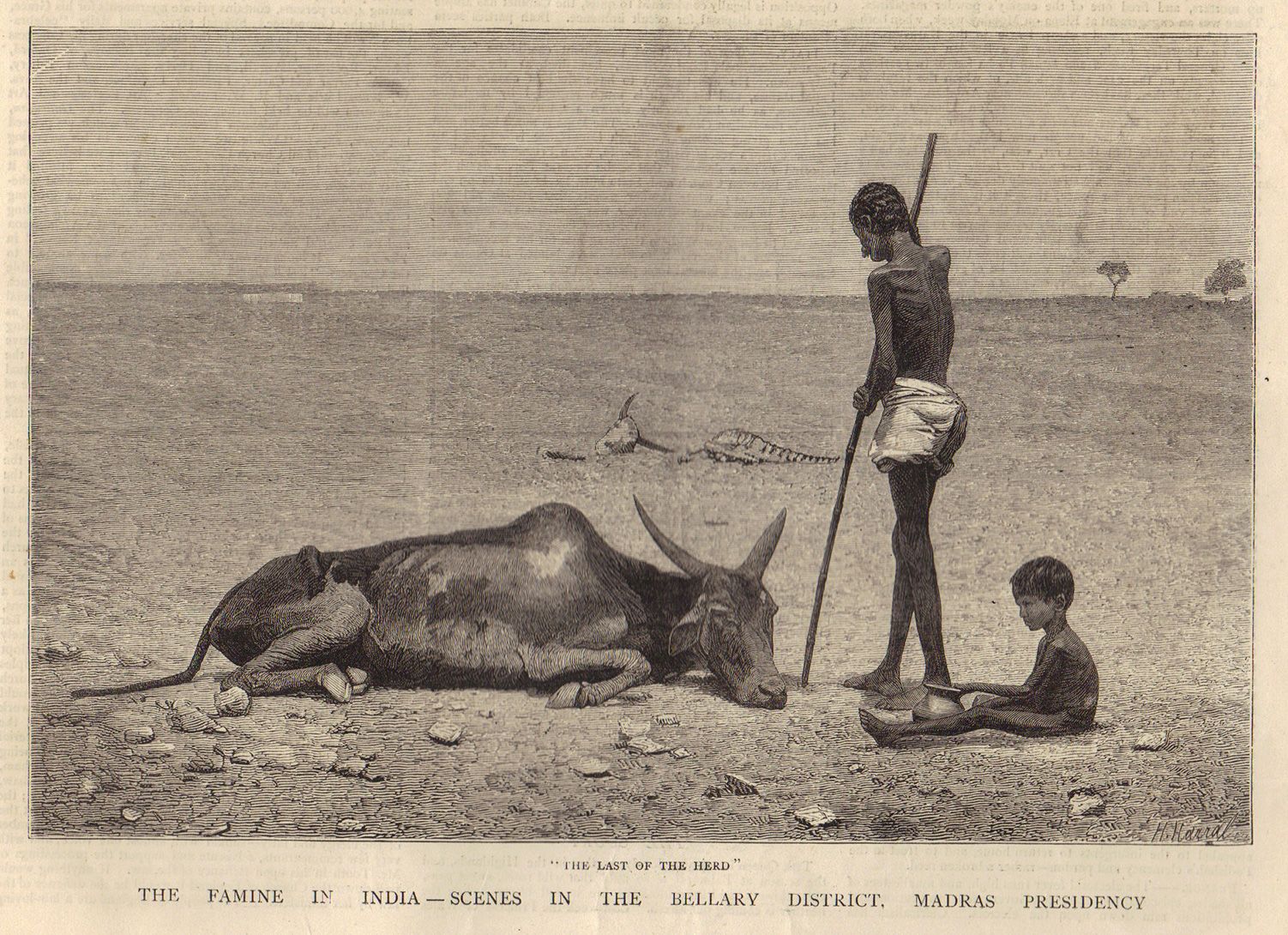
Pacific surface waters have warmed so much this year that the 2026 El Niño may be the strongest in 1,000 years. Dagomar Degroot, an environmental historian at Georgetown University, argues that the past shows what to expect. El Niño, a periodic warming of the eastern Pacific that brings rain to parts of the Americas and drought to Australasia, has strained societies for millennia. But who suffered depended on power. In the 1870s, as British officials pushed cash crops and exported grain, drought deepened by El Niño killed tens of millions in India, while the United States profited by selling wheat to Europe. Degroot concludes that El Niño disasters stem less from the weather than from how some communities exploit others. With warming already intensifying droughts and downpours, he warns that renewed great-power rivalry could again turn El Niño into a cause of preventable mass death.