This website uses cookies

Read our Privacy policy and Terms of use for more information.

In partnership with

LUNCH BREAK READS

Join the Lunch Club

📣 Subscriber Shoutout: Thank you to Dani from Atlanta for supporting LBR this week!

This newsletter is free. If you want more, consider joining The Lunch Club for access to more content and to support our growth.

Join the Lunch Club →
01 • 30 Minute Read
The New York Times Jon Ronson
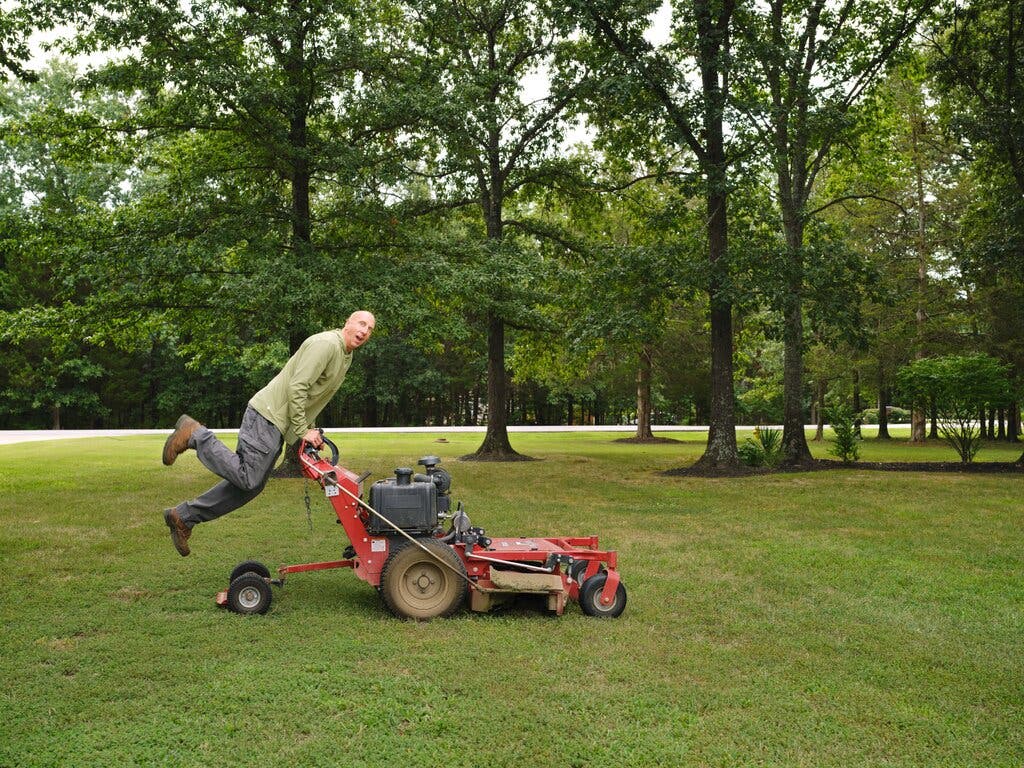
He Was a Top Lawn Care Influencer on YouTube. Then Everything Went Haywire.
Greg Chism
I will read anything Jon Ronson writes, and I am excited for his forthcoming book that is excerpted here in the New York Times. He follows Greg Chism, an early YouTube influencer whose videos with his daughters drew 13 billion views between January 2016 and June 2017. In 2017, parents discovered the YouTube Kids app was feeding their children videos of cartoon characters being tortured and killed. Internet sleuths went looking for whoever made them, and Chism was the only creator they could identify, despite him never being involved. His life came apart within months. Ronson watched the clips that damned him and found something else.
Unlocked for LBR Readers →
02 • 15 Minute Read
ABC News Lauren Day and Matt Henry
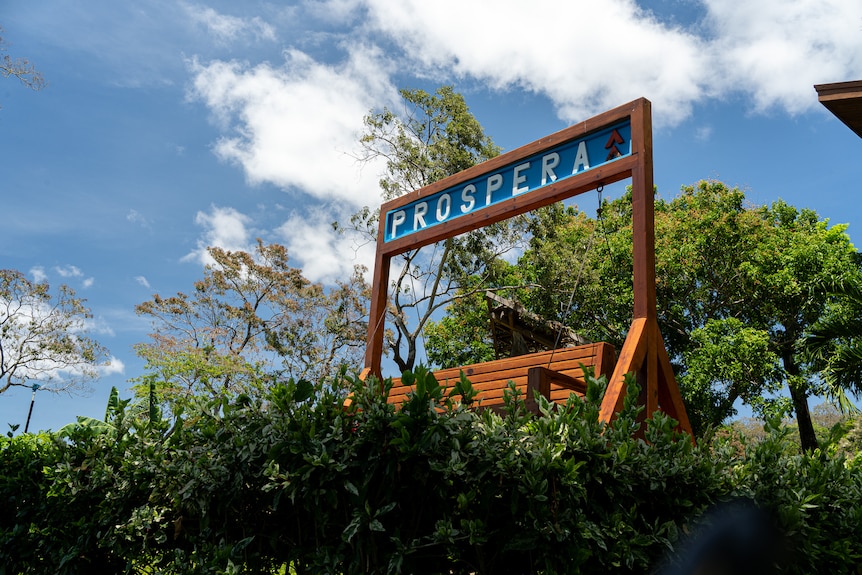
Inside Próspera, the libertarian utopia on a Caribbean island off the coast of Honduras
A sign reading Prospera
Alice Chen dropped out of her Canadian PhD program and flew to Roatán to test a live algae drink she says adds 20 years to a human life. In Próspera, a private city on the Honduran island, businesses pick their own regulations from a menu of 30 countries. Lauren Day and Matt Henry walked the 58-acre campus, talked to biohackers with implants under their skin, and met the villagers next door who call it colonialism. Investors include funds tied to Thiel, Altman, and Andreessen. Honduras tried to shut it down and lost. Brimen now talks about 100,000 residents.
Read the Story →
03 • 14 Minute Read
Smithsonian Magazine Helen Sullivan
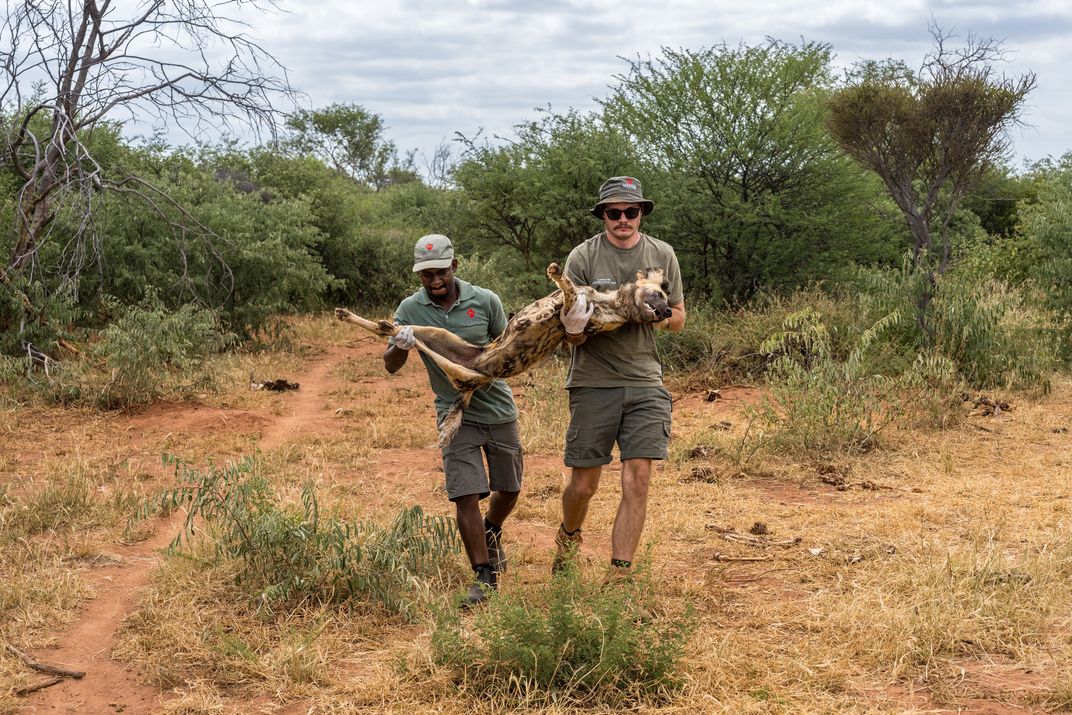
Africa's Wild Dogs Are the Most Hated Carnivores on the Continent. Here's Why Some Conservationists Are Saving Them Anyway
African wild dogs
Africa's wild dogs kill 80 percent of what they hunt, which is why game reserve owners and subsistence farmers shoot them. But now, only 6,600 remain. Helen Sullivan traveled to the Waterberg with the Endangered Wildlife Trust, which flies dogs in from Mozambique to build genetically diverse packs, and watched one of three newly arrived sisters die of heat and stress before sundown. Cole du Plessis, who runs the relocation program, spent the next year darting males and driving them across provinces to find the survivors a mate.
Read the Story →
04 • 17 Minute Read
Aeon Peter A Coclanis
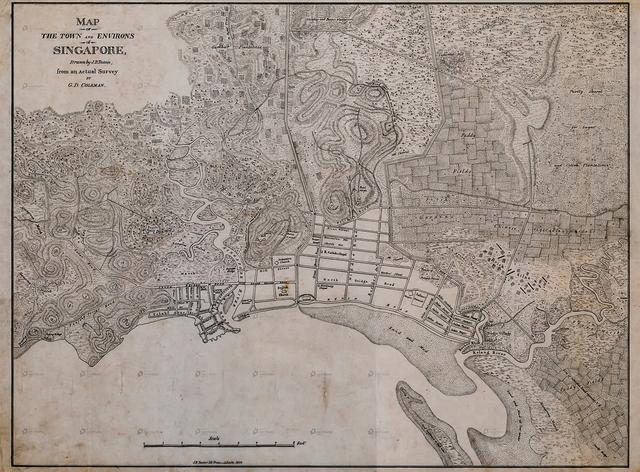
The Singapore strategies
1836 map of Singapore
In 1965 Malaysia's prime minister told a British diplomat that if Singapore stepped out of line, he could always turn off the water in Johor. Singapore never forgot, and a half a century later, their investment in reservoirs, recycling, desalination will allow the country to supply an estimated 85 percent of its own water by 2061. They tried the same trick with food, pledging in 2019 to grow 30 percent of what it eats on 1 percent of its land. Peter Coclanis watched that plan die last November. He thinks the failure was baked in from the day it was announced.
Read the Story →

Further Reading

The Atlantic
We Are Living in the Fantasy World of 13-Year-Old Boys
NPR
We tested how AI chatbots would handle foreign propaganda. They did surprisingly well
The New York Times
How Much Is That Gene-Edited Dog in the Window?

Spread the Word

If someone you know would enjoy this, forward it their way.

Forward This Email →