An investigator showed Jane Doe 5 a photo from her eighth-grade graduation and told her a classmate’s adult brother had used Grok, the chatbot built by Elon Musk’s AI company xAI, to turn it into a sexually explicit image of her at 14 and share it online. Now 18, she is one of a growing number of young plaintiffs in Tennessee, Wisconsin, Wyoming, Arkansas and California suing xAI over images Grok allegedly produced from ordinary childhood photos. xAI says it prohibits such content and has disabled the capability, and Musk blames users, though he promoted a “Spicy” mode for explicit material. The cases may turn on Section 230, the law that shields platforms from liability for what users post. Plaintiffs’ lawyers argue it can’t protect content the AI itself creates. Meanwhile, no regulator has imposed significant penalties, and the images keep resurfacing.
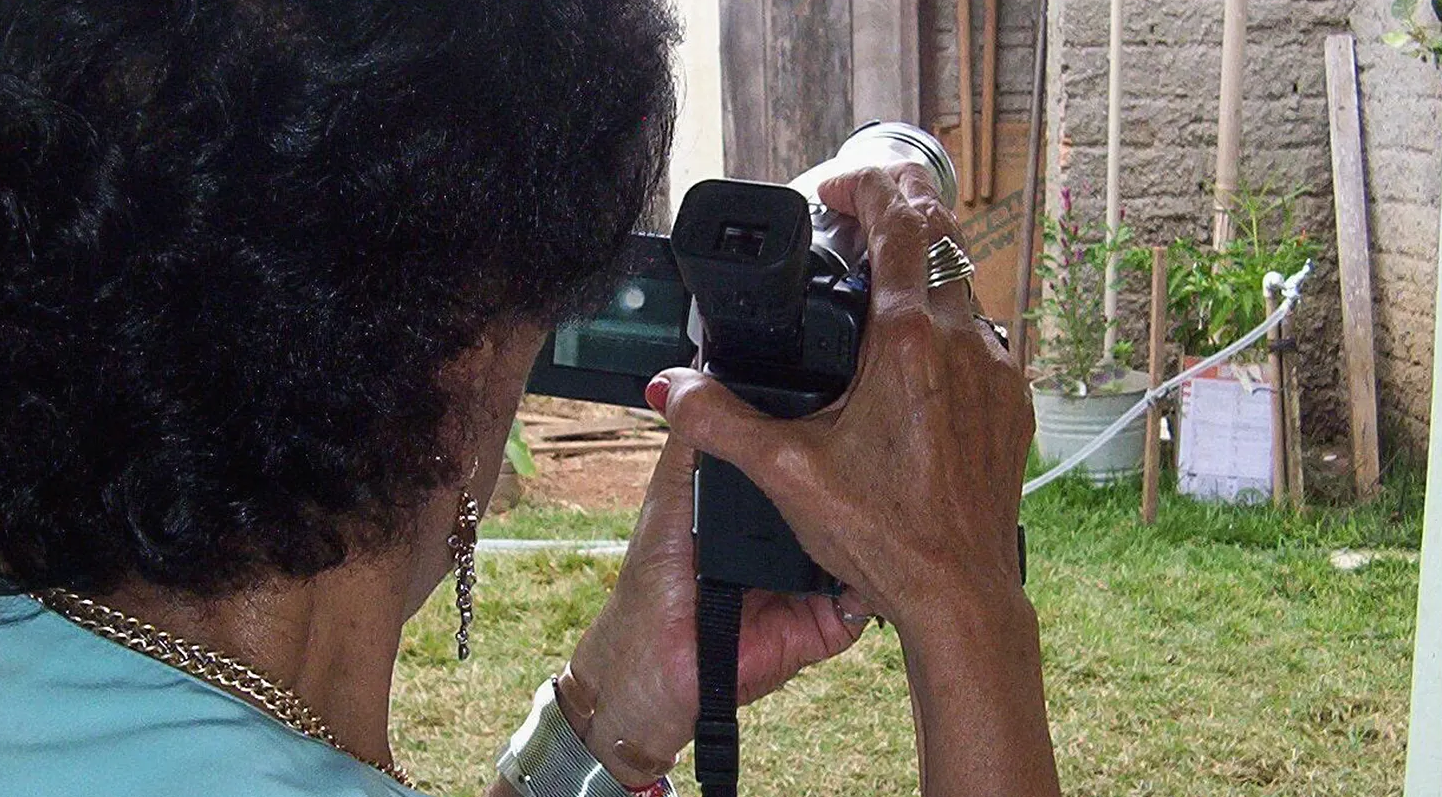
After years of reporting crimes with little result and losing a lawsuit over her property’s lost value, Joana Zeferino da Paz bought a camcorder on installments in December 2003 and began filming the favela outside her Copacabana apartment in Rio de Janeiro. Over almost two years, she recorded 33 hours of children using cocaine, minors carrying guns, and dealers selling drugs. A crime reporter, Fábio Gusmão, took up her tapes, and a police investigation using new wiretapping technology exposed police complicity in bribery and arms sales. The operation led to 36 arrests, including nine military police officers, and she became a national hero who had to flee her home into protection under a new name. She eventually settled in Salvador, then sued Gusmão in 2009 over his book about her, and the two did not speak for five years. A 2020 video call became their last conversation, and she died in February 2023 at 97.
After a commuter jet crashed near Buffalo in 2009, U.S. airlines carried some 10 billion passengers over nearly 16 years without a crash death, a streak that ended in January 2025 when an Army helicopter hit an American Eagle jet over the Potomac River, killing 67. That record rested on “lessons written in blood,” with major crashes since a 1956 midair collision over the Grand Canyon prompting bipartisan reforms that stacked up redundant safeguards. James Fallows, a longtime private pilot, argues the Trump administration is now stripping those layers away. It has disbanded expert advisory panels, fired F.A.A. staff, lowered air traffic controller staffing targets, and rushed an AI routing system into trials, while federal crash investigators call its response to a third of their post-Potomac recommendations unacceptable. Serious runway close calls doubled in 2025. Flying remains remarkably safe, but the margins that made it so are thinning.
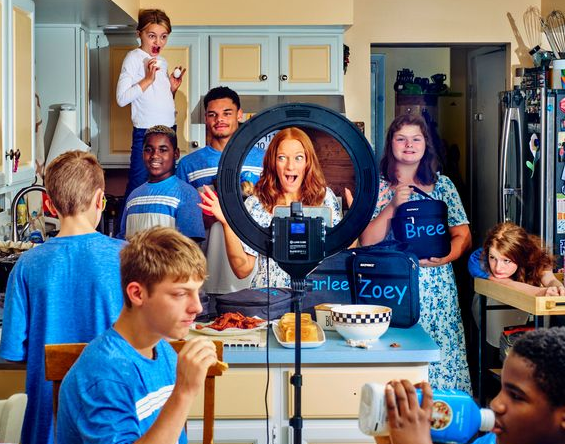
Before dawn in Pittsford, New York, Alicia Dougherty films herself packing nine lunch boxes, a routine that, sped up to Dolly Parton’s “9 to 5,” made her family of six adopted and four biological children a TikTok sensation in 2021. Their thousand-dollar grocery hauls and candy-stocked bedroom fridges draw 13 million followers, many of them tweens who comment “can you adopt me?” The videos cover bills of roughly $26,000 a month, though revenue has fallen about 75 percent since its 2022 peak as YouTube tightened rules on kid-focused content and public opinion soured on family influencers. Critics accuse Alicia of exploiting her children’s trauma and diagnoses, which she discusses openly, and she calls them trolls. Yet one adult son’s arrest and her eldest son’s public charge that his parents just miss their “money maker” have exposed strains. Several younger children now want audiences of their own, and Alicia worries which could handle it.