This website uses cookies

Read our Privacy policy and Terms of use for more information.

LUNCH BREAK READS

01 • 23 Minute Read
Mother Jones Cassandra Lewis
My Estranged Mother Died Unhoused and Alone. Then I Retraced Her Steps.
Illustration for My Estranged Mother Died Unhoused and Alone
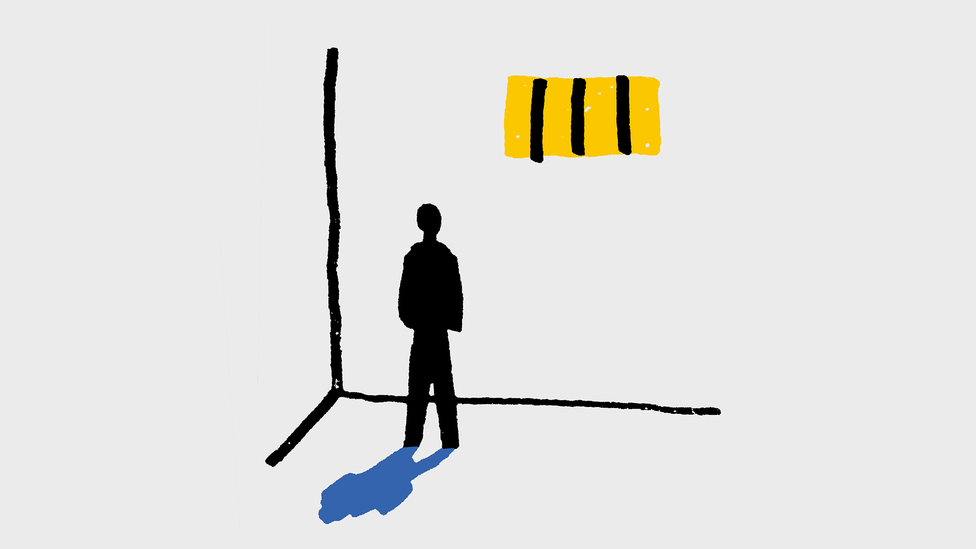
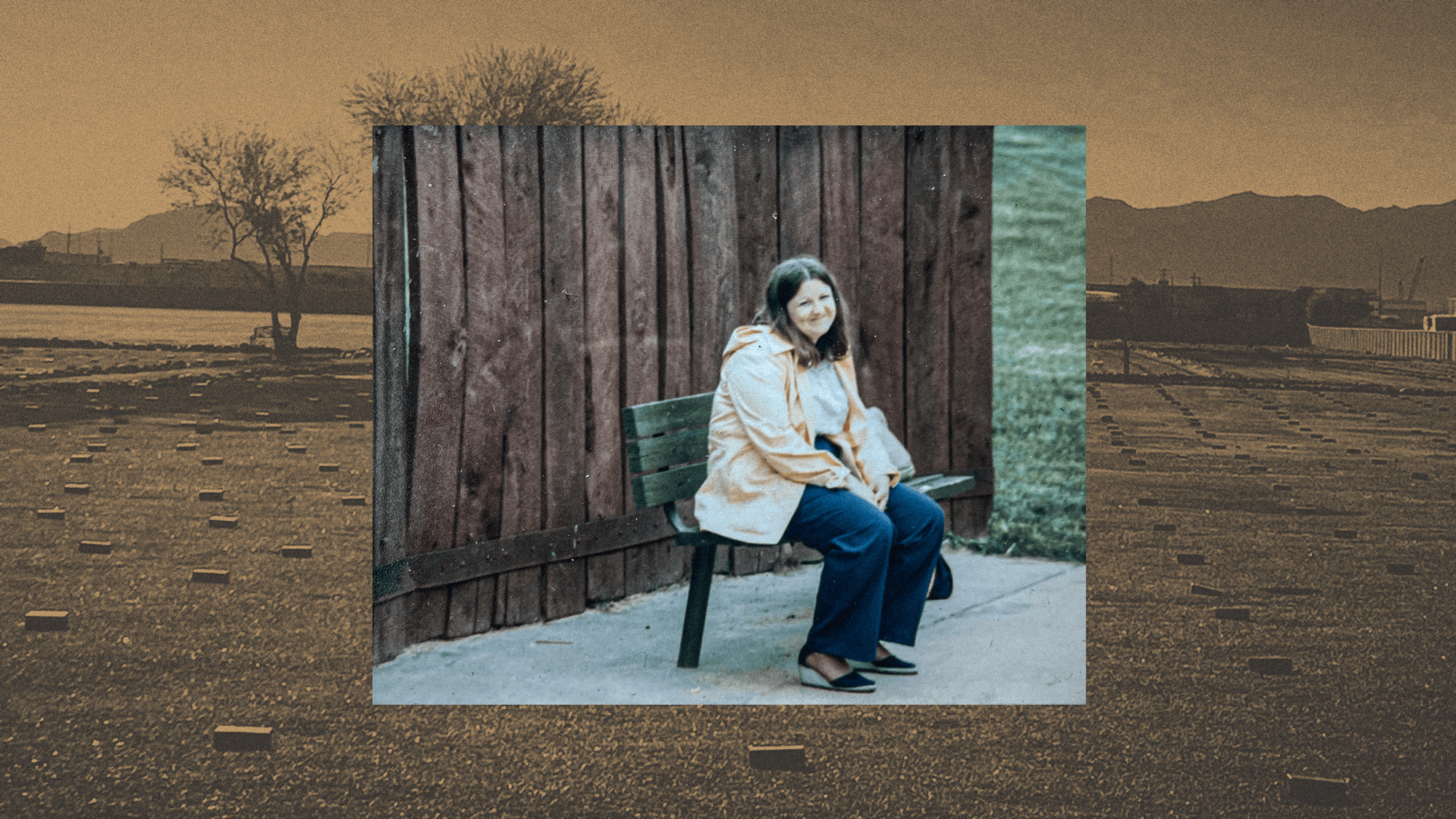
In August 2025, a Maricopa County office that handles unclaimed bodies called Cassandra Lewis's uncle to say her mother, Pamela, had died at 73. Pamela, once a beloved elementary teacher, had bipolar disorder she treated only sporadically, and when Lewis was 7, Pamela led her onto railroad tracks, saying God wanted them dead. After Lewis cut contact in 2010 amid years of harassment and restraining orders, her mother drifted to Arizona, served time for stalking, and lived in highway motels until dying of ovarian cancer. Lewis, who has worked at nonprofits serving unhoused people, paid to keep her out of a potter's field and later traveled to Phoenix to retrace her final years. She ties that life to decades of underfunded mental health care and a federal retreat from Housing First, the model of giving people homes without preconditions. At her mother's last motel, a former clerk told Lewis that her mother had always hoped she would come get her.
Read the Story →
02 • 14 Minute Read
The Atlantic Tom Junod
Why I Changed My Mind About the Death Penalty
Illustration for Why I Changed My Mind About the Death Penalty
At 22, while working as a traveling salesman, Tom Junod was forced by a gunman to crawl across a hotel room floor and into a bathtub before the man lowered his gun and left. A detective later told him that was an execution scenario. Because the gunman had deliberated, Junod decided that anyone who chooses to kill gives up any claim to mercy, and he long supported the death penalty. That belief cracked in 2005, as he stood vigil outside a Georgia prison while Tony Mobley, whom he had once interviewed about murdering a Domino's employee, was executed even though the victim's family had asked for mercy. Junod saw that the state's killing was as cold and deliberate as the murder he had feared. Amid a botched Tennessee execution and calls for televised ones, he now argues the state has no right to kill, and that he is alive only because a criminal chose mercy.
Unlocked for LBR Readers →
03 • 18 Minute Read
Slate David Howard
The Old and the Furious
Illustration for The Old and the Furious
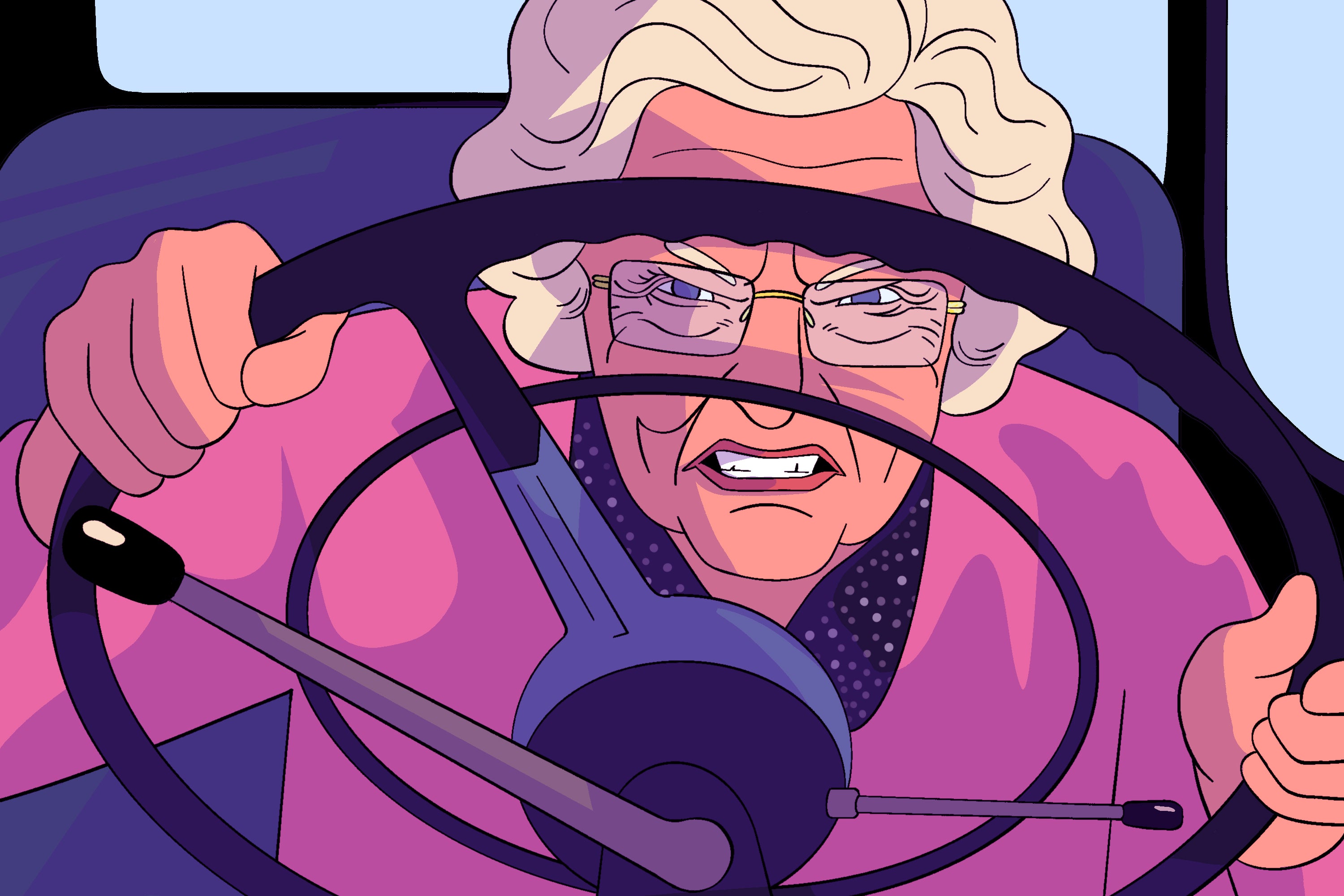
After his 83-year-old father, Richard, dozed off and sideswiped a utility truck, Daniel Adams demanded his car keys, then relented when Richard promised to drive only in the mornings. Not long after, Richard fell asleep driving home from lunch and died in the crash, which badly injured Daniel's mother. Crashes like this are increasing as America ages, and the number of people 65 and older is projected to reach 77 million by 2034. Overall traffic deaths fell 3.8 percent in 2024, but deaths among people 65 and older rose 2 percent. Nearly 40 percent of drivers who crash into storefronts are over 60, often because they hit the gas instead of the brake. Standard license eye tests miss declines in night vision and glare recovery, and state rules vary widely, partly because older voters are a powerful bloc. Yet giving up driving is linked to depression and earlier death, so families, doctors, and older drivers themselves are left to decide when to give up the keys.
Read the Story →
04 • 24 Minute Read
The New York Times Magazine Joseph Bernstein
Grand Theft Auto Used to Satirize American Life. Now We’ve Caught Up With It.
Illustration for Grand Theft Auto Used to Satirize American Life
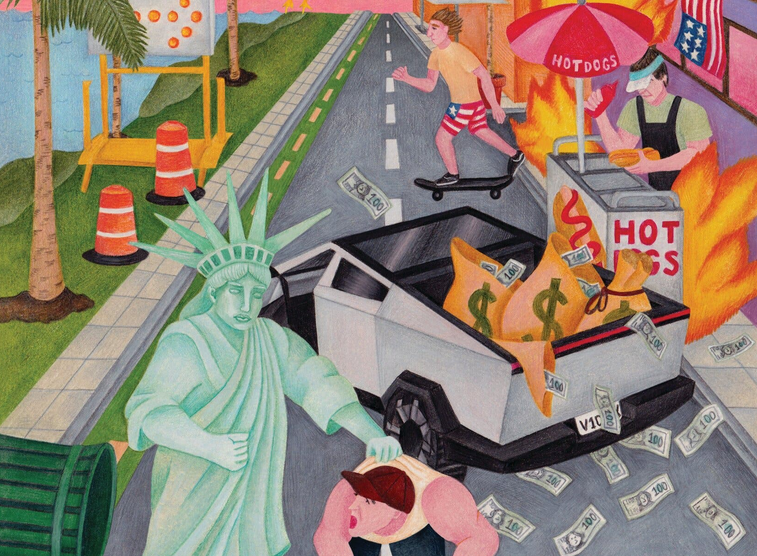
Grand Theft Auto VI, released this month, is the first new entry in 13 years in the video game series that lets players commit crimes across a cartoonish replica of an American city. Joseph Bernstein argues the series once worked as satire, exaggerating American violence, gluttony, and gullibility for laughs. Since 2013, he writes, the country has caught up with the joke, leaving little left to exaggerate. So Rockstar, the game's Edinburgh-based developer, has made its new Miami a grim portrait of the underclass. The protagonists, a couple barred from banking by bad credit, are broke, surveilled, and living in a motel, and the old crime-spree fun returns only once they have cash. Bernstein sees the game as a coherent map of America at a moment when Americans, scattered by their phones, may no longer have the attention to read it.
Unlocked for LBR Readers →

Support Lunch Break Reads

If you look forward to these four reads every day, consider joining the Lunch Club. It keeps LBR going.

Join the Lunch Club →

Other Stories Worth Reading

Reuters
Nvidia reinstates Jensen Huang as CEO amid pressure from President Trump, investors
NPR
5 ways to turn off your 'work brain' after the day ends
The Atlantic
The Benefits of Reading Are Incalculable