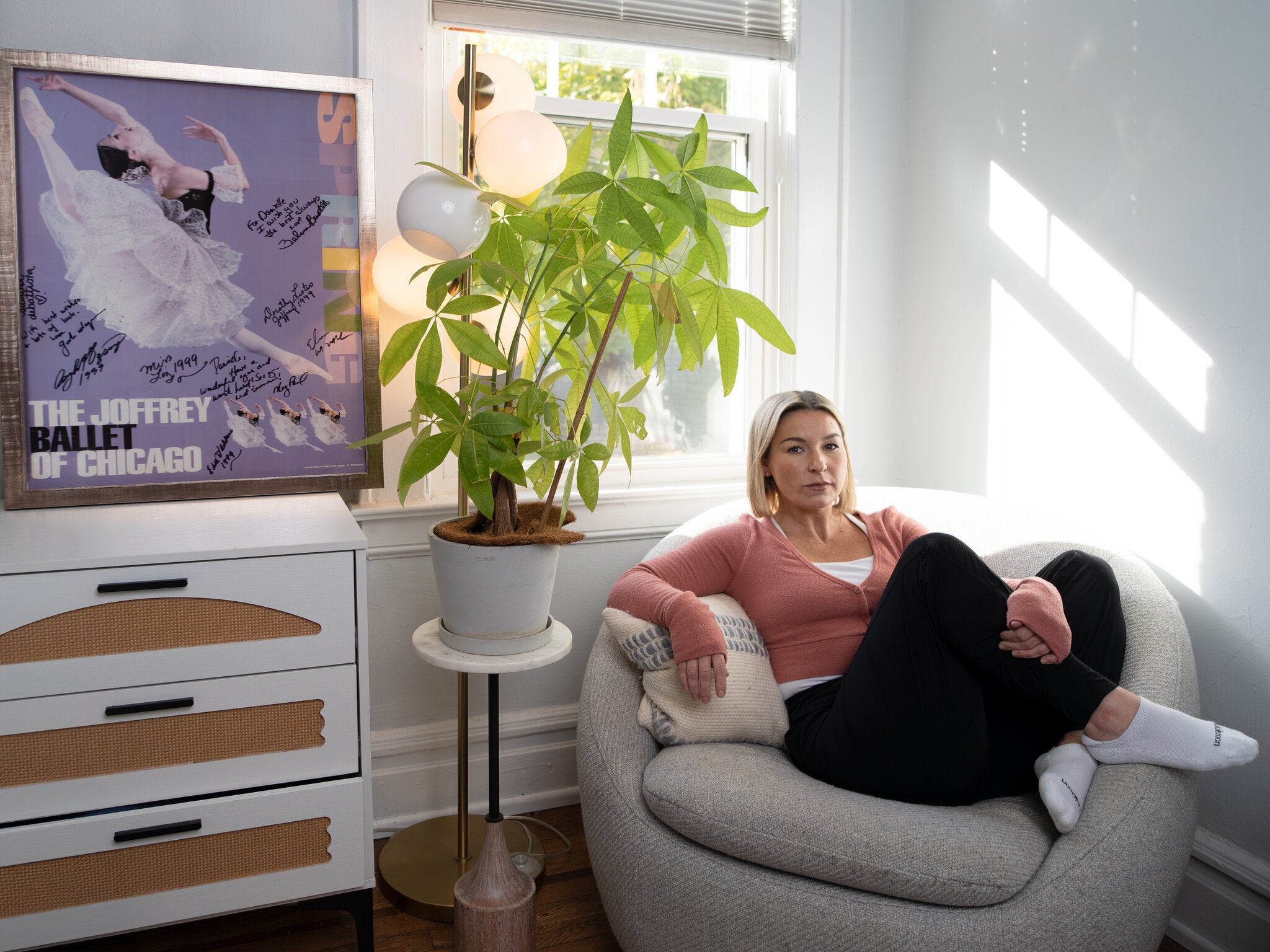
In 2001, Marina Lacerda, a 13-year-old Brazilian immigrant working three jobs to support her mother and sister, took a cab from Astoria, Queens, to Jeffrey Epstein’s townhouse after an older friend promised her $300 for a massage. Epstein listened to her troubles and escalated the abuse so gradually that she returned for four years. Soon he offered $300 for every new girl, and Marina and two friends recruited many from Queens, partly for cash and partly because a new girl drew his attention away from them. Two decades later, it divides the survivors. Danielle Bensky, a runaway ballet student Marina brought at 17, found Marina’s name in FBI reports and described herself as trafficked, which Marina took as an accusation. Some politicians call such recruiters co-conspirators, while Marina’s therapist says recruiting victims is how traffickers keep control. Marina, whose abuse left gaps in her memory, says she thought she was helping.
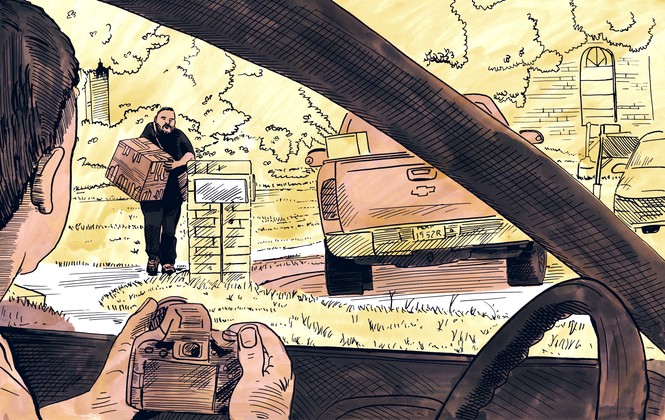
On July 6, 2025, FBI agents watched Daniel Sanchez carry a box from his parents’ house in North Texas and leave it at a friend’s apartment in Denton. Two nights earlier, a police officer had been shot outside the Prairieland ICE detention center during a protest his wife, Maricela Rueda, helped organize. Sanchez, a green-card holder, says he was at a movie that night and didn’t know about the plans. The box held his anarchist zines and political art, including drawings of Trump in a noose, none of it illegal to own. Prosecutors said he moved it to shield his wife and charged him with the protesters as an antifa terrorist cell, citing their shared ideology. He turned down plea deals that would have cost him his green card, and a jury convicted all nine defendants. A judge sentenced him to 30 years, against a presentencing recommendation of 10 to 16 months. He is appealing.
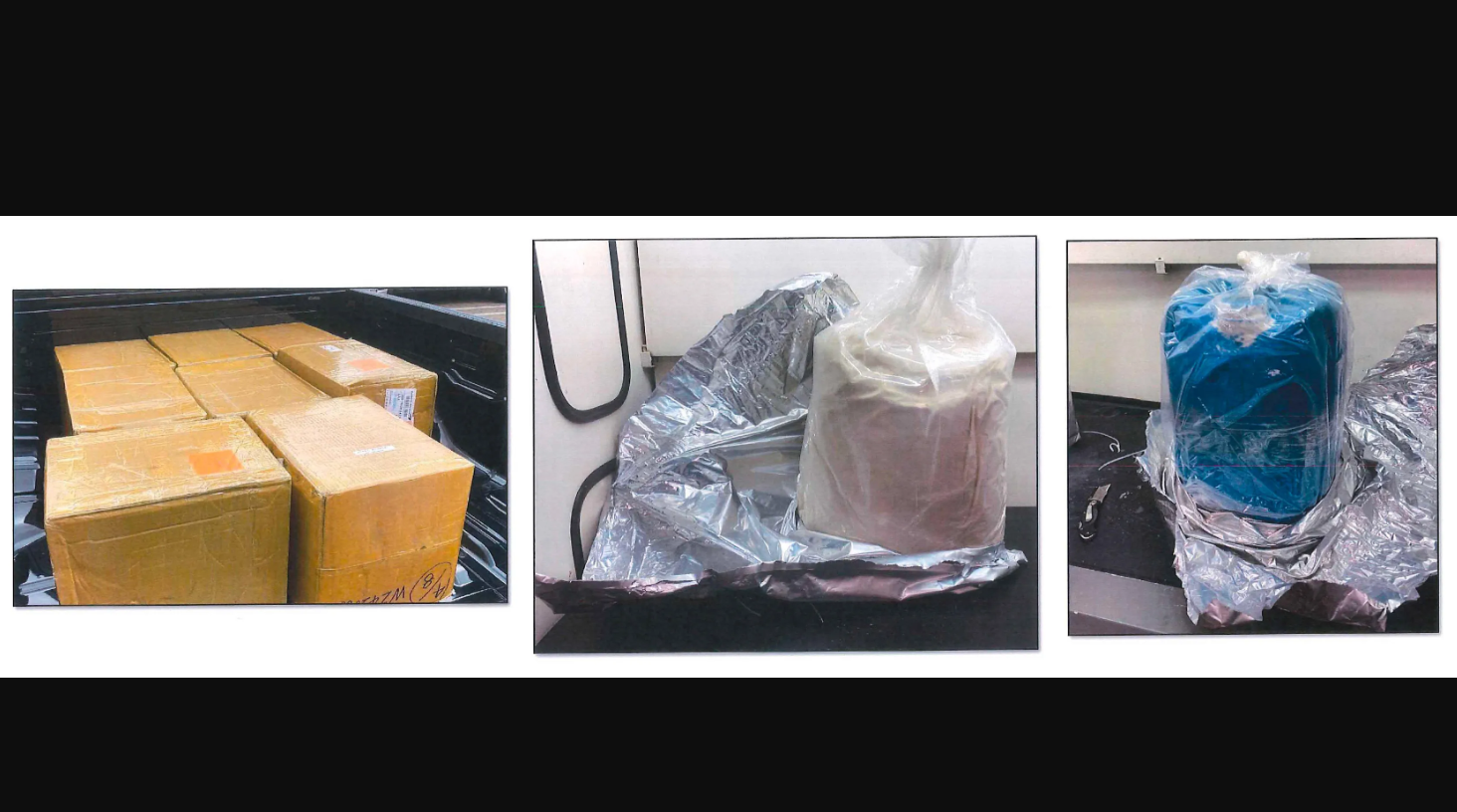
In June 2023, two employees of a Wuhan chemical company, Yiyi Chen and Qingzhou Wang, met a customer at a resort cafe in Fiji to discuss selling him three tons of fentanyl ingredients. The customer was a paid informant for the Drug Enforcement Administration, and Fijian police arrested the pair as he walked away. Chinese firms supply most of the precursor chemicals Mexican cartels use to make fentanyl, and Beijing has only sporadically cooperated with US investigators. So the DEA spent months placing orders and lured the two abroad, first to Bangkok, where the informant said he made fentanyl and Wang advised him on diluting it. A jury acquitted them of fentanyl trafficking conspiracy but convicted them on lesser charges, and Wang got 25 years and Chen 15. The company’s owners remain in China, though, and a former sales rep’s phone number now leads to another firm selling precursors.
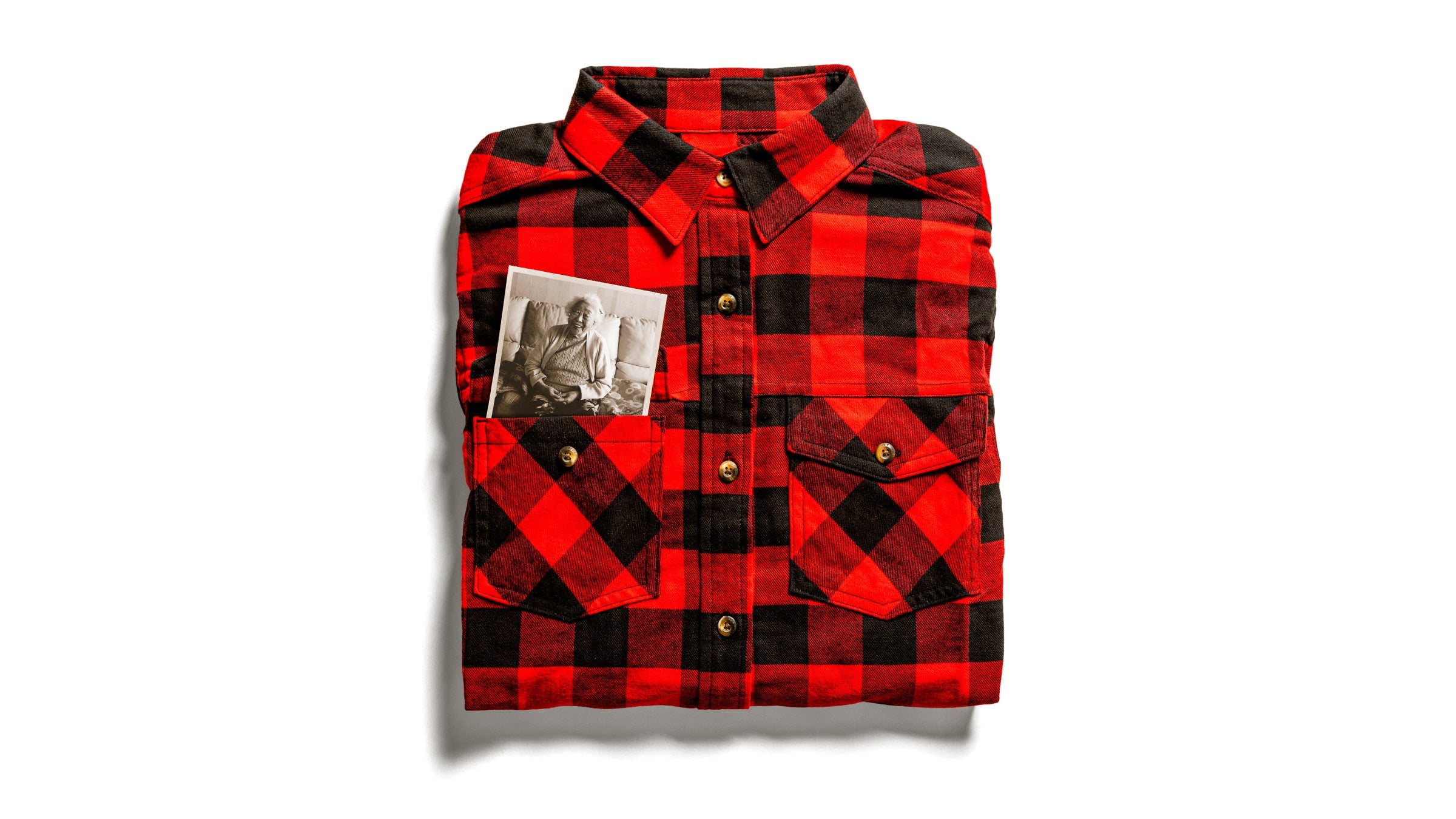
In 1948, Sonia Shin fled Soviet-occupied northern Korea for the south, nearly drowning in river mudflats as border guards fired at refugees. In the south, she refused to keep working in her in-laws’ herbal medicine shop, and the money she and her husband, KwangDal Suh, made selling cotton candy and repairing machines bought a half-burned Seoul textile factory in 1951. KwangDal, a tinkerer, built machines that brushed cotton into flannel, and by 1959 their company employed 50 people. Sonia ran sales, finances, and nearly everything else, but Confucian norms meant that on paper the business belonged to her husband. When he retired in 1982, it went to their son and later closed. Now 99, she told her grandson, who has long felt like an outsider as a Korean American in the flannel-clad outdoor industry, that she never considered taking over, since a woman near 60 running the company would have seemed “unsightly.”