This website uses cookies

Read our Privacy policy and Terms of use for more information.

LUNCH BREAK READS

01 • 20 Minute Read
Reuters Wa Lone, Kyaw Soe Oo, Simon Lewis and Antoni Slodkowski
Massacre in Myanmar
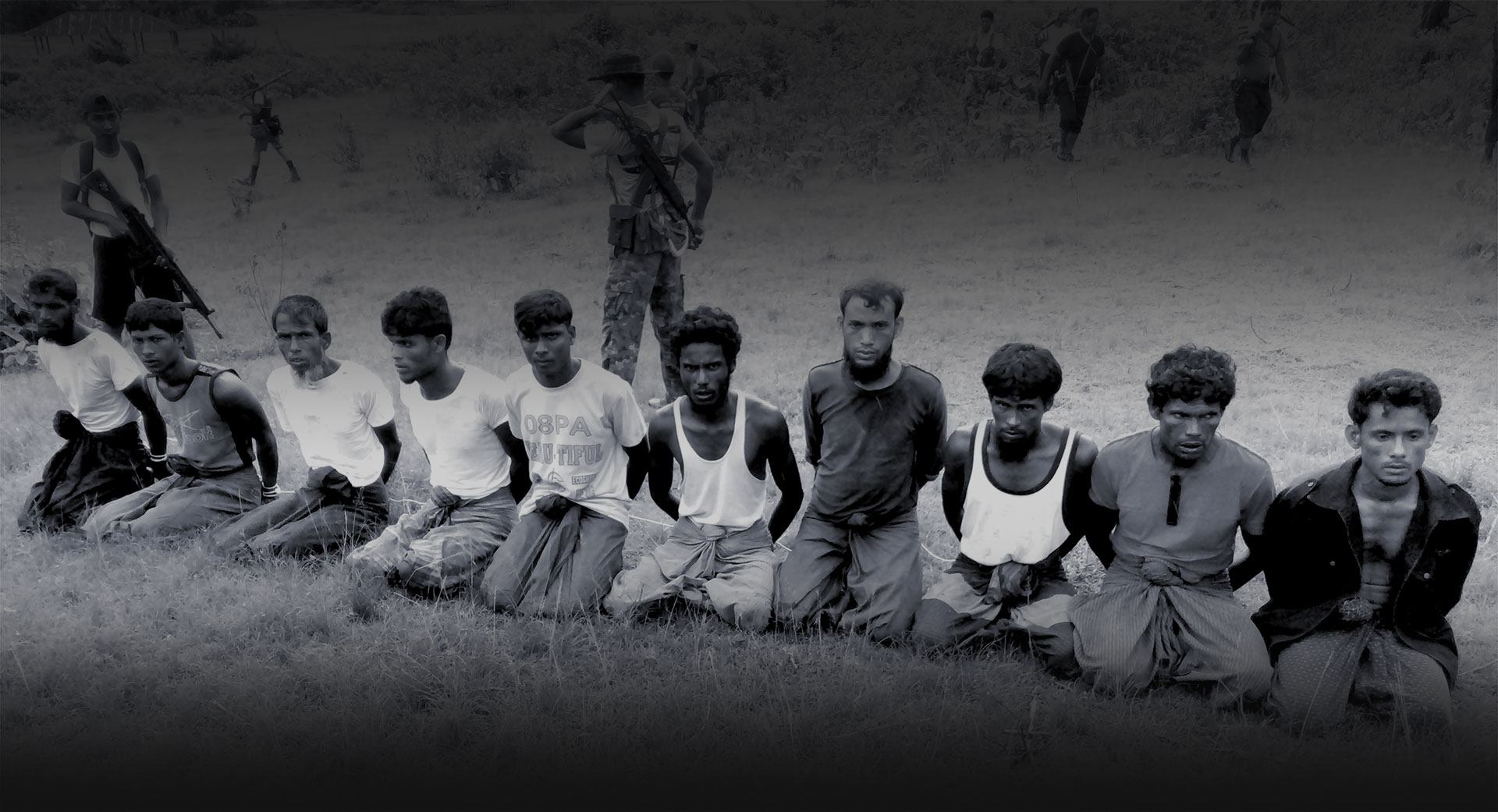
Rohingya captives in the village of Inn Din, Myanmar
Yesterday, the United Nation’s International Court of Justice ruled that Myanmar committed genocide against the Rohingya Muslim minority in the country, marking the first time in the history of the court that a country was held responsible for genocide. This reminded me of this 2018 Pulitzer-Prize winning Reuters investigation of the 2017 massacre in the village of Inn Din where ten Rohingya Muslim captives were brutally killed by Buddhist villagers and Myanmar troops. It is a disturbing account of the ethnic violence facing Muslims in the country, that the U.S. has called “ethnic cleansing.”
Read the Story →
02 • 16 Minute Read
Slate Danny Palumbo
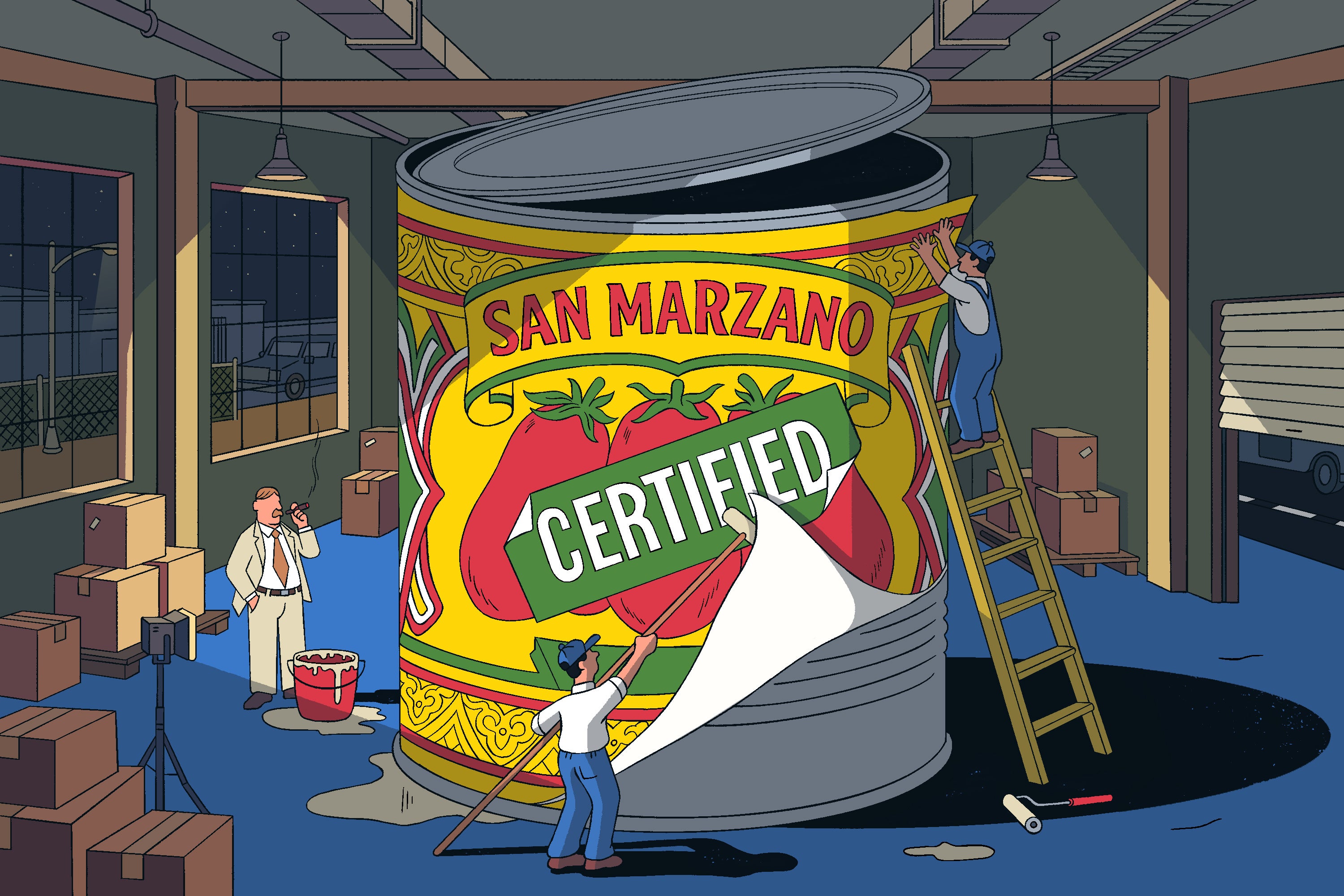
Cento Fine Foods has been sued for “tomato fraud.” What’s really inside their cans?
Cans of Cento San Marzano tomatoes
In 2010, police in Salerno, Italy, raided Cento Fine Foods’ Italian operations and found 144,000 cans falsely labeled as San Marzanos, a prized tomato grown near Mount Vesuvius and certified in Europe by an official consortium. A Cento manager was later convicted of fraud, and the New Jersey company left the consortium, an exit it calls voluntary. Cento still sells its yellow cans as “Certified” San Marzanos in the U.S., where the name has no legal protection, and a lawsuit filed in May seeking $25 million alleges they aren’t genuine. Cento calls the claims meritless. But its named certifier, Bioagricert, says it only verifies supply chain traceability for an Italian supplier that ships unlabeled cans, and that Cento applies the San Marzano label in America. Even so, food writers and chefs praise the tomatoes as the best widely available in American supermarkets, which leaves open whether authenticity should matter more than taste.
Read the Story →
03 • 10 Minute Read
ProPublica Josh Hinkle, David Barer, et al.
A Texas Police Department Got $100K After a Single Immigration Arrest. It Stands to Earn Much More.
Illustration of a Texas police department and federal immigration money
In June, the police department in Pantego, a Texas town of about 2,500 near Fort Worth, received $100,000 in federal money after a single immigration arrest, and its chief projected $720,000 more, about 40% of last year’s police budget. The payments come through 287(g), a federal program that deputizes local officers to make immigration arrests and reimburses them with few conditions or required results. Texas has 429 participating agencies, more than any other state, and state law requires most sheriffs to seek agreements by December 1. Smith County has collected nearly $2.2 million, though more than 100 of its 124 immigration actions listed no criminal charge. Critics worry departments will grow dependent on the money. ICE says the program targets dangerous offenders. After November’s elections, incoming Democratic officials are questioning the state mandate, but departments can keep collecting federal money regardless.
Read the Story →
04 • 12 Minute Read
The Atlantic Nancy Walecki
My Week as a Kardashian
Products from Kardashian-Jenner family brands
For seven days in October, Atlantic staff writer Nancy Walecki wore, ate, and drank only products from companies tied to the Kardashian-Jenner family, from Skims shapewear and Good American jeans to Kim Kardashian’s energy drinks and her sister Khloé’s protein popcorn. The experiment cost about $3,000 and turned up long-lasting cosmetics and flattering jeans, along with a collagen drink mix that never dissolved. Walecki argues that the family, whose reality TV fame peaked in the 2010s, is now less visible but more ubiquitous than ever. After early ventures were mocked as overpriced or dubious, the sisters built brands priced as a middle-class splurge and sold at Target and Walmart, and Skims is now worth $5 billion. Many of the products no longer even feature the family. Walecki sees merchandise as the logical endpoint of influencing, a way to keep earning after the audience stops watching, and she finds the empire more impressive than frightening.
Unlocked for LBR Readers →

Support Lunch Break Reads

If you look forward to these four reads every day, consider joining the Lunch Club. It keeps LBR going.

Join the Lunch Club →

Other Stories Worth Reading

The Atlantic
Jared Kushner’s Undisclosed Investment
Tasting Table
10 Things You Might Not Know About The Great British Baking Show
The Washington Post
The outages keep coming. Some Americans are preparing for a collapse.