|
Support Lunch Break Reads
If you look forward to these four reads every day, consider joining the Lunch Club. It keeps LBR going.
|
|
Four interesting reads to beat the doomscroll during today's lunch break.
Chili cook-offs and a New York trader helped build a research network around one girl's rare kidney disease, and the two drugs that finally arrived cost over $500,000 a year.
| Eamon Javers traces how John Rogers, a senior adviser in the Federal Reserve's international finance division, ended up handcuffed at a school bus stop in this wild CNBC piece. Starting in 2013, a man named Hummin Lee, whom U.S. officials call a Chinese spy, paid for Rogers' China trips, handled his wedding logistics, and sent questions about Fed policy. Rogers forwarded Fed material to Lee. Blackmailers then threatened him over nude photos, and he told Fed investigators he had never shared restricted information. A jury acquitted him of espionage conspiracy but convicted him of lying. He got 38 months. |
|
| The Sunday Times Magazine | Evan Gershkovich |
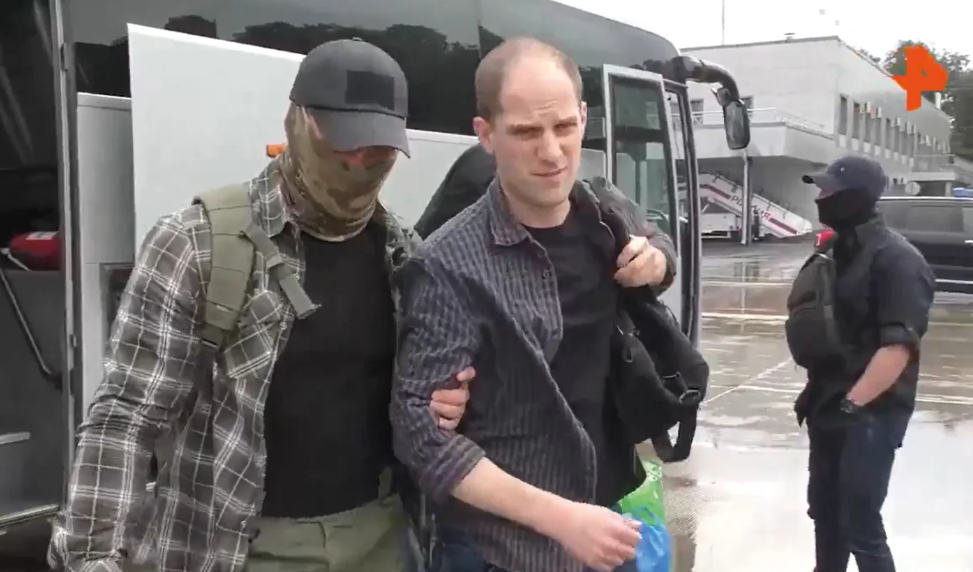
| Evan Gershkovich, a reporter who was arrested and detained for months in Russia, is out with his new book This Cursed Beautiful Land: A Russian Story about his detention. He recounts in this excerpt about how agents of the FSB, the Russian security service, seized him at a steakhouse in Yekaterinburg in March 2023 and charged him with espionage. He spent 14 months in Lefortovo prison, where his lawyers warned that Russian courts acquit less than 1 percent of defendants. The FSB's case rested on a three-sentence memo claiming he belonged to the CIA. After a two-day closed trial, a judge sentenced him to 16 years. Within weeks he was freed in the largest East-West prisoner exchange since the Cold War, which freed Americans and Russian dissidents in return for an FSB assassin held in Germany. |
|
| The Atlantic | Elizabeth Bruenig |
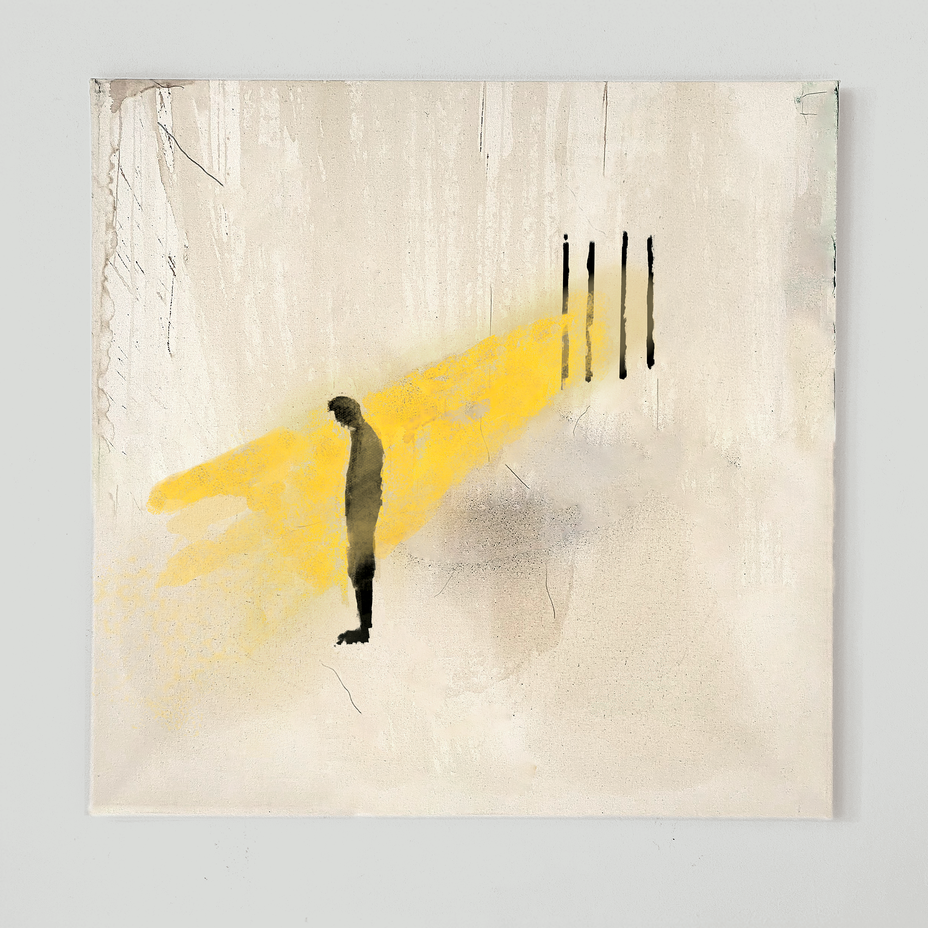
| After watching Alfred Bourgeois, convicted of killing his toddler daughter, thrash on a gurney during his 2020 federal execution in Indiana, journalist Elizabeth Bruenig threw up outside the prison, feeling none of the satisfaction she had half expected. She kept witnessing executions, and in Alabama she befriended men on death row, including Kenneth Smith, whose first execution was called off after staff failed to find a usable vein. When the state tried again in 2024 with nitrogen gas, a method never before used, he convulsed for 22 minutes. Bruenig's husband's sister was murdered in Texas, and he and his father opposed a death sentence for the killer. She argues that capital punishment must end because mercy is the right choice even in the hardest cases, and because the state executes people who may have changed. Smith's last message to the public was to leave room for mercy. |
|
| The Atavist Magazine | Mark Johnson |
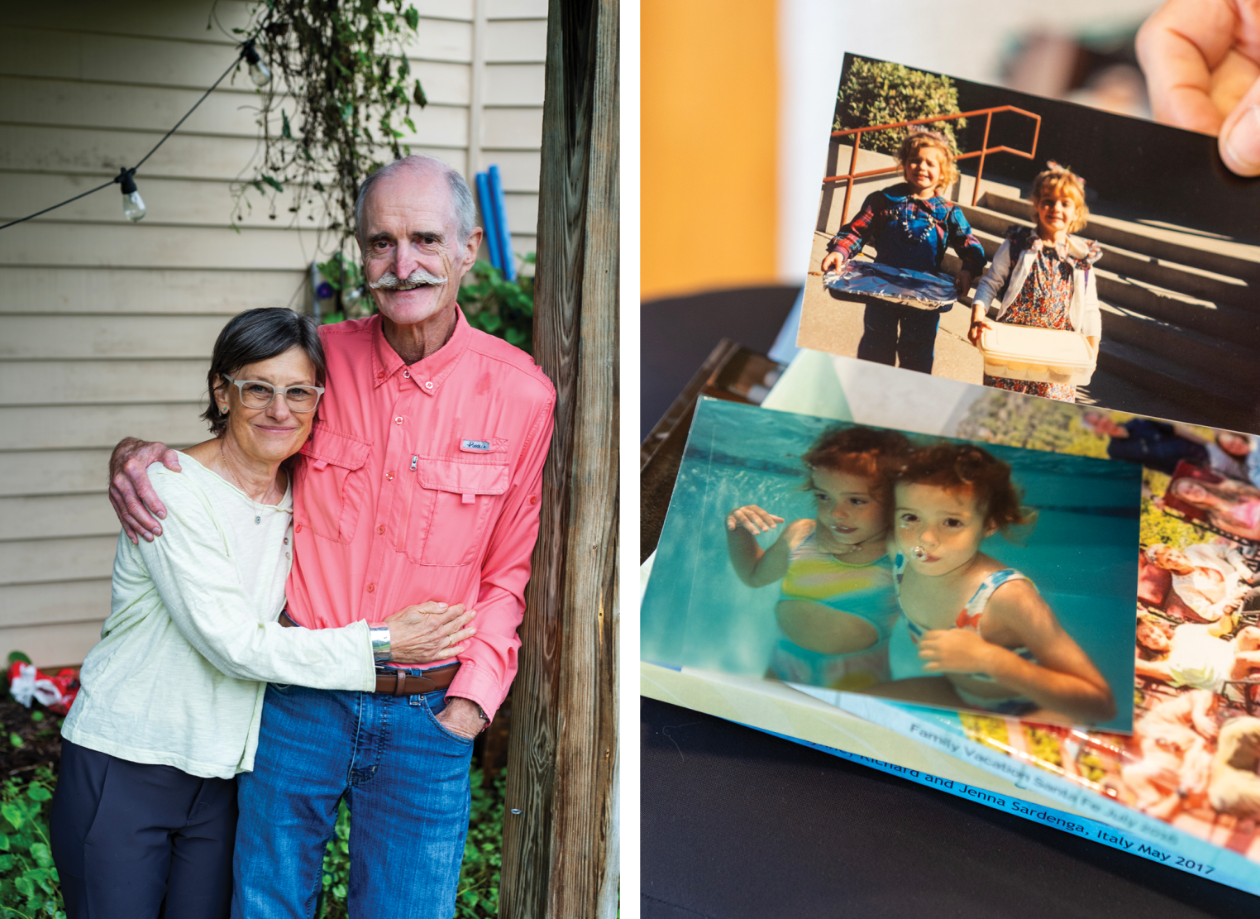
| No one does it like The Atavist. I always love when a new longform piece drops. In 1992, six-year-old Jenna Smith noticed blood in her bathwater in Iowa City, and doctors eventually diagnosed dense deposit disease, a rare, incurable kidney condition in which an overactive immune pathway called the complement system clogs the kidneys' filters. Her father, Richard Smith, a University of Iowa ear, nose, and throat doctor, turned his genetics lab toward the disease, while her mother, Lynne Lanning, started Kidneeds, a fund that paid for research on it. Neighbors, chili cook-offs, and a New York trader whose daughter shared the diagnosis helped build a global research network. Jenna lost a transplant from her father, spent years on dialysis, and later received a second kidney through a donor chain. In 2025, the FDA approved two drugs for the disease, now called C3G, but each costs more than $500,000 a year. |
|
Other Stories Worth Reading |
|
|