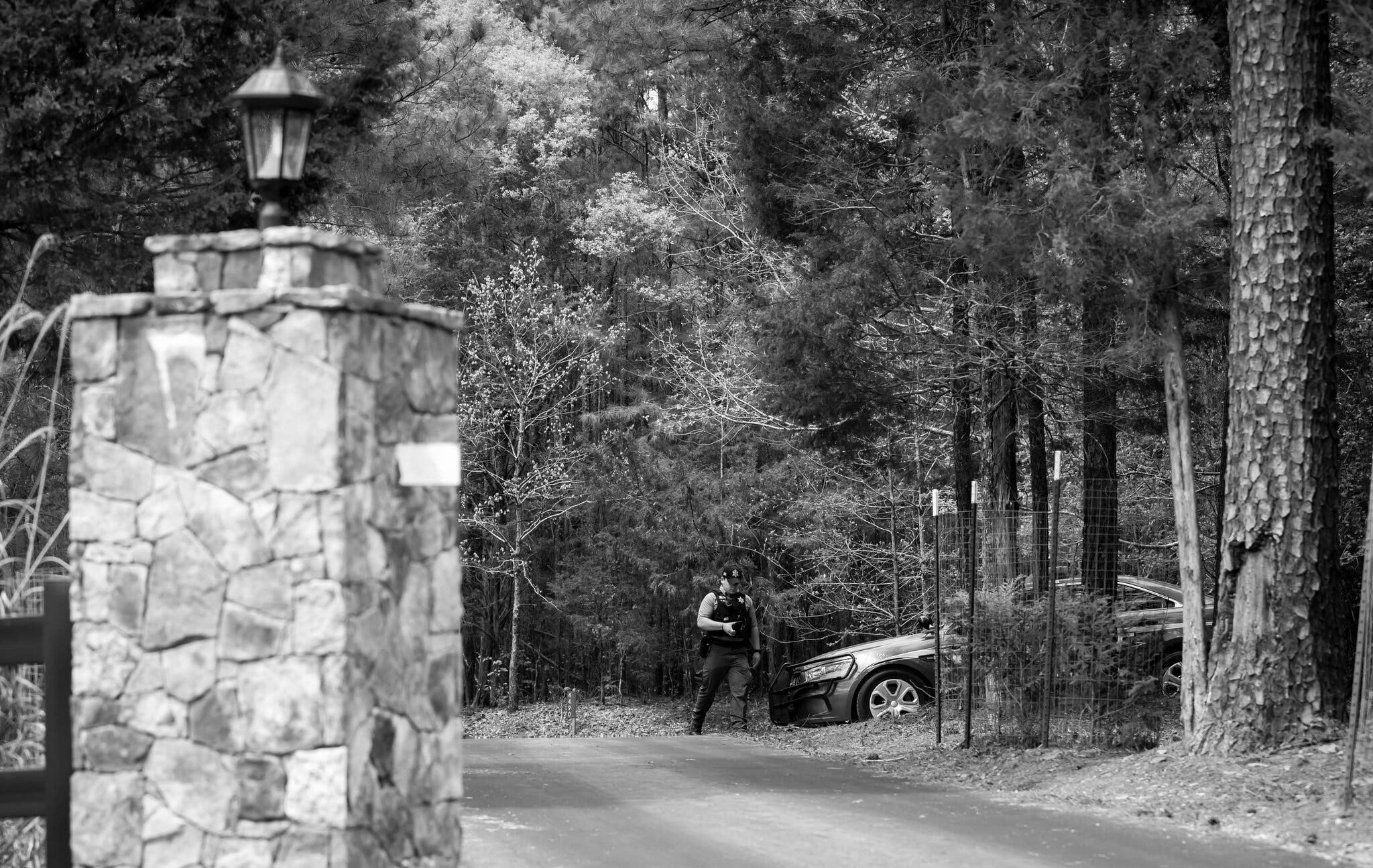
On her 36th birthday, Katie Lesslie learned that a stranger had shot and killed her two young children, her in-laws, and two HVAC workers on the family's South Carolina property. Juliet Macur traces how the Lesslies chose forgiveness over rage, then spent years chasing an explanation. The shooter, former N.F.L. cornerback Phillip Adams, had stage 2 chronic traumatic encephalopathy (C.T.E.). Now, six years later, new data reveals that one in four of all people who have played in the N.F.L. might end up with the disease.
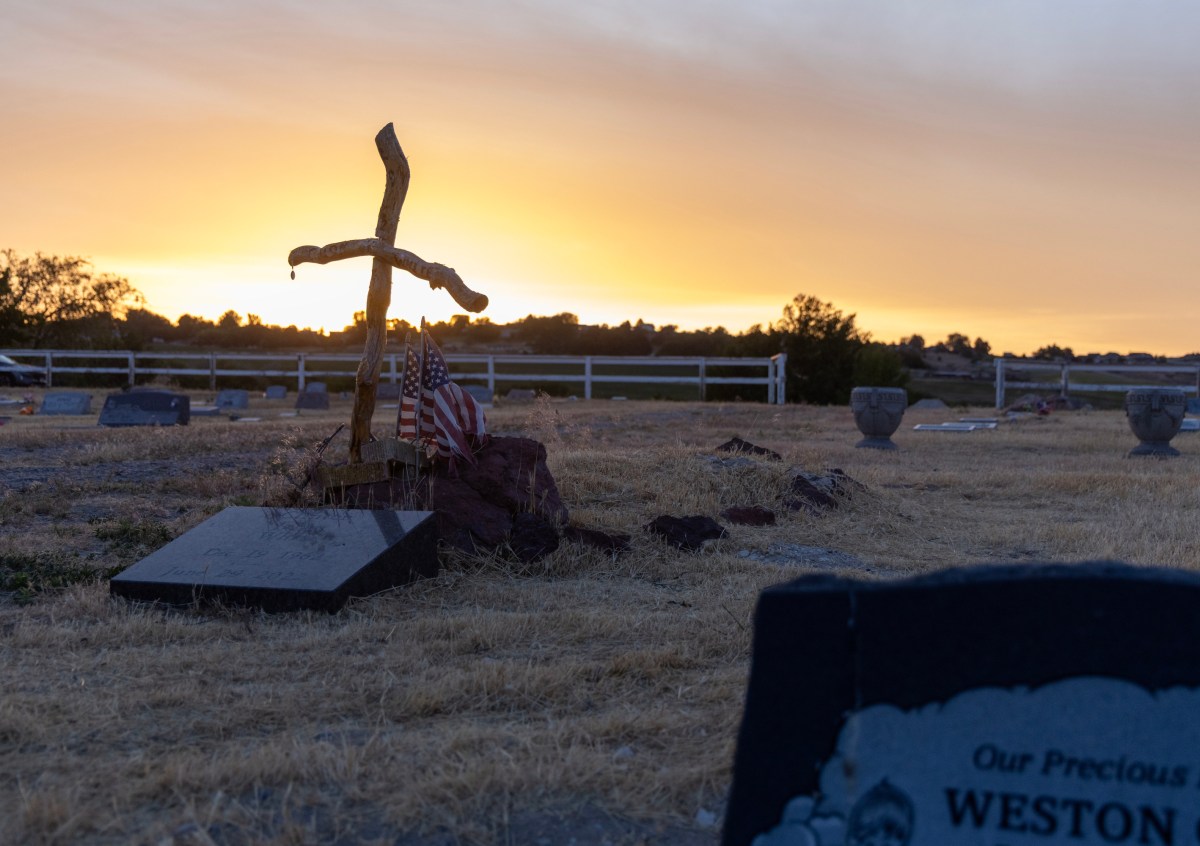
Newborn Malachi died of pneumonia in his mother's lap while members of an Idaho faith healing sect prayed instead of calling for help. Thirteen months later, his brother Liam died the same way. At least five sets of Idaho parents have lost multiple children to treatable illness, praying instead of calling 911 while their Followers of Christ congregation gathered to watch. Audrey Dutton spent months matching coroner records against pediatricians' verdicts and counted at least 15 preventable deaths since 2015, sepsis and pneumonia among them.
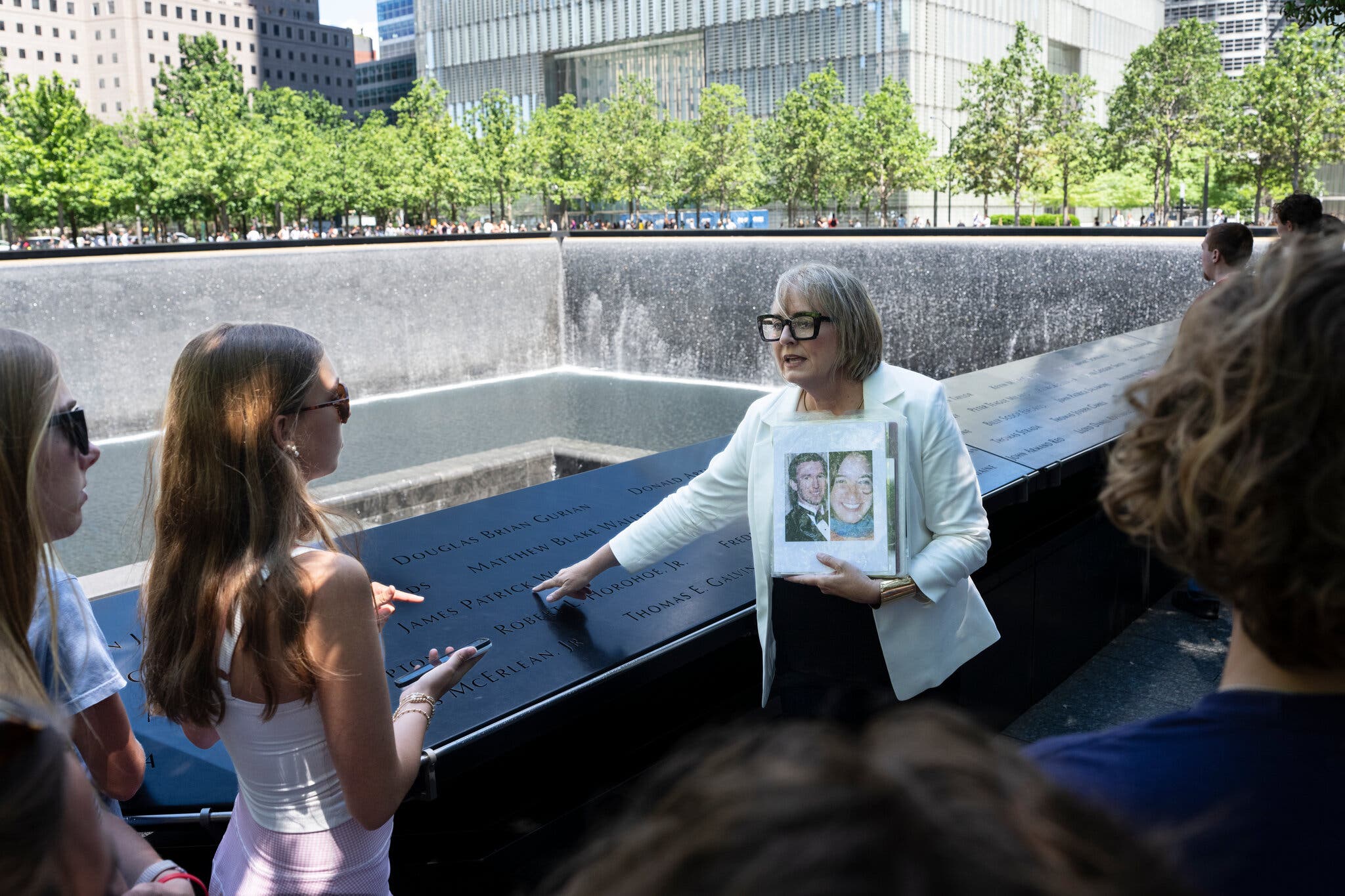
On September 11, 2001, Christina Stanton watched the North Tower burn from her 24th-floor terrace before the second plane roared over her shoulders and blew her back into her apartment. Now, as a tour guide, she leads groups through Lower Manhattan, narrating her escape by ferry to New Jersey in her pajamas and no shoes. She survived that day but then came the cancer the doctors linked to the ash she breathed. She keeps giving the tour, unsure how many years she has left to tell her story.
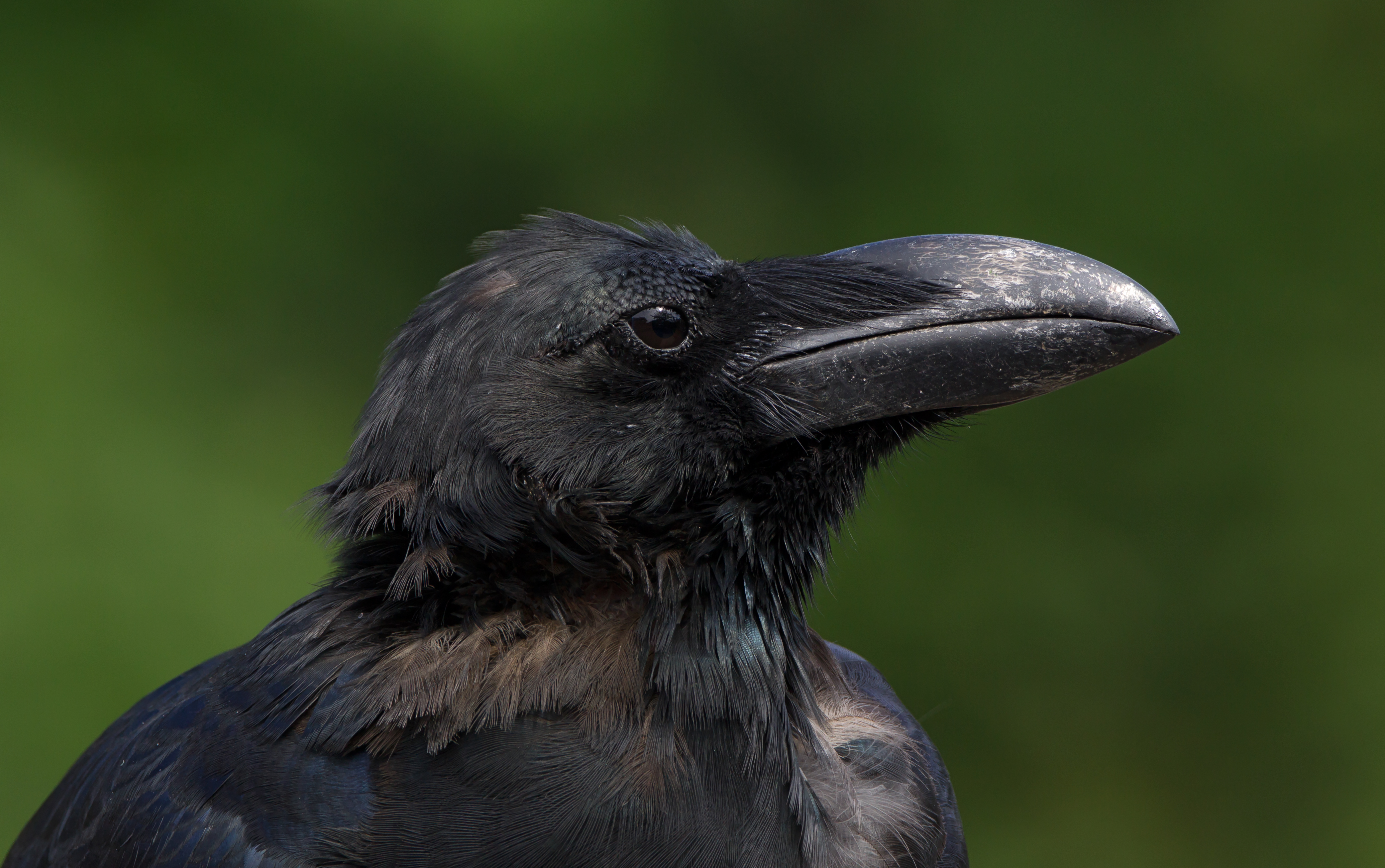
Birds have brains dense with neurons, long lives, and attentive parents, the same traits that pushed humans toward complex culture. Evolutionary biologist Antone Martinho-Truswell asks why they never developed markets, writing, or Veblen goods anyway. His answer: flight itself acts like a black hole, pulling birds toward an evolutionary trough so comfortable that the pressure driving human culture simply never built up. Birds can simply fly away from predators, food scarcity, hostile weather, while humans, flightless and vulnerable, had no such escape.