Louisiana Denies $480,000 to Man Wrongly Jailed 42 Years
Louisiana Denies $480,000 to Man Wrongly Jailed 42 Years
Plus: a Cambridge star's unraveling memoir, lead still in Omaha's cleaned-up yards, and Japan's unloved farm robots.
Aug 7, 2026
2 min read
LUNCH BREAK READS
Join the Lunch Club
📣 Subscriber Shoutout: Thank you to Dominic for supporting LBR this week!
This newsletter stays free. Lunch Club members get the Weekly Top 5 (a ranked Saturday roundup), Reading Lists of Brett's all-time favorites, monthly Source Notes from Brett, the full LBR Archive, and ad-free reading, starting at $5/mo.
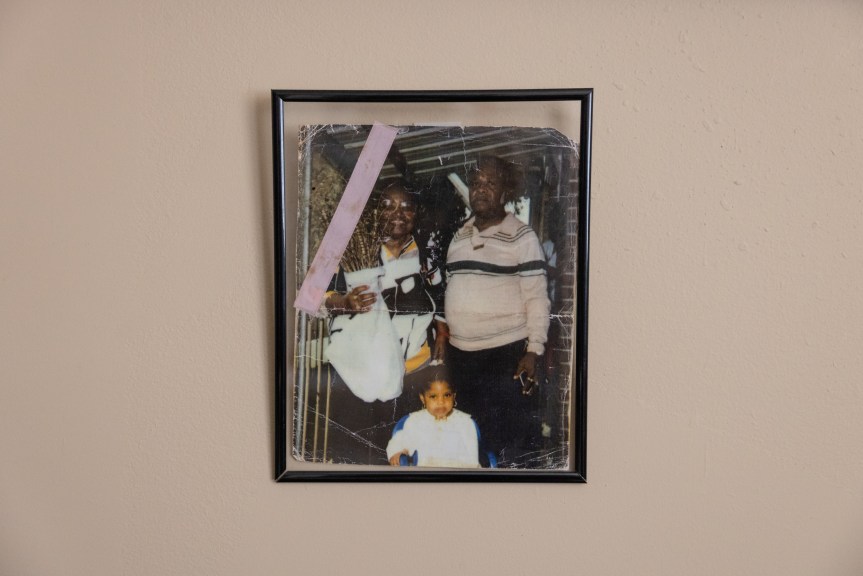
Fingerprints on the beer cans held by the robbers did not match Elvis Brooks. Jurors never heard that. He served 42 years for a New Orleans bar killing before a court threw out his conviction, making him eligible for up to $480,000 from Louisiana. Richard A. Webster documents how Attorney General Liz Murrill has opposed 22 of 23 compensation claims, insisting Brooks is still guilty and asking the court to reinstate a manslaughter charge. Brooks lives on $994 a month. He wants a bigger headstone for the family grave that holds seven names but has room for three.
A three-month coma, locked-in syndrome, a shaman who foretold his future: all appear in Jason Arday's 2024 book proposal and none survive into the published memoir. Daniel Engber obtained that proposal after Arday resigned from Cambridge this week, where at 37 he had become the youngest Black professor in its history. A philosopher had already posted 36 passages from Arday's dissertation that track another scholar's work. Simon & Schuster is publishing the memoir next week anyway. Arday says he made clerical errors, not fabrications, and the book's fact-checker never responded to Engber.
Mary Royers checked the city website before she planted her garden and saw the word remediated in green letters. Her soil carries more than 1.5 times the lead the EPA's cleanup was supposed to remove. Chris Bowling and his colleagues tested over 600 Omaha properties. One in 10 yards the agency marked clean still exceeds the cleanup threshold. The EPA has spent $273 million there since 1999. Its next site study is not due until October 2027, and the EPA and the city have refused to test other residents who came forward.
Pochi cost $15,000, can haul 600 pounds up a mountain, and has spent most of its life asleep in the corner of a greenhouse. The average farmer in Nishikawa is 73. Hannah Beech and Kiuko Notoya spent five months in the most depopulated town in one of Japan's most depopulated prefectures, where officials chose machines over foreign workers. A cherry-picking robot promised in four years has taken ten. It failed three of five attempts. Japan built the world's first humanoid robot in 1973. The fruit magnate who waited a decade for this one hid it from visiting Chinese researchers.