This website uses cookies

Read our Privacy policy and Terms of use for more information.

LUNCH BREAK READS

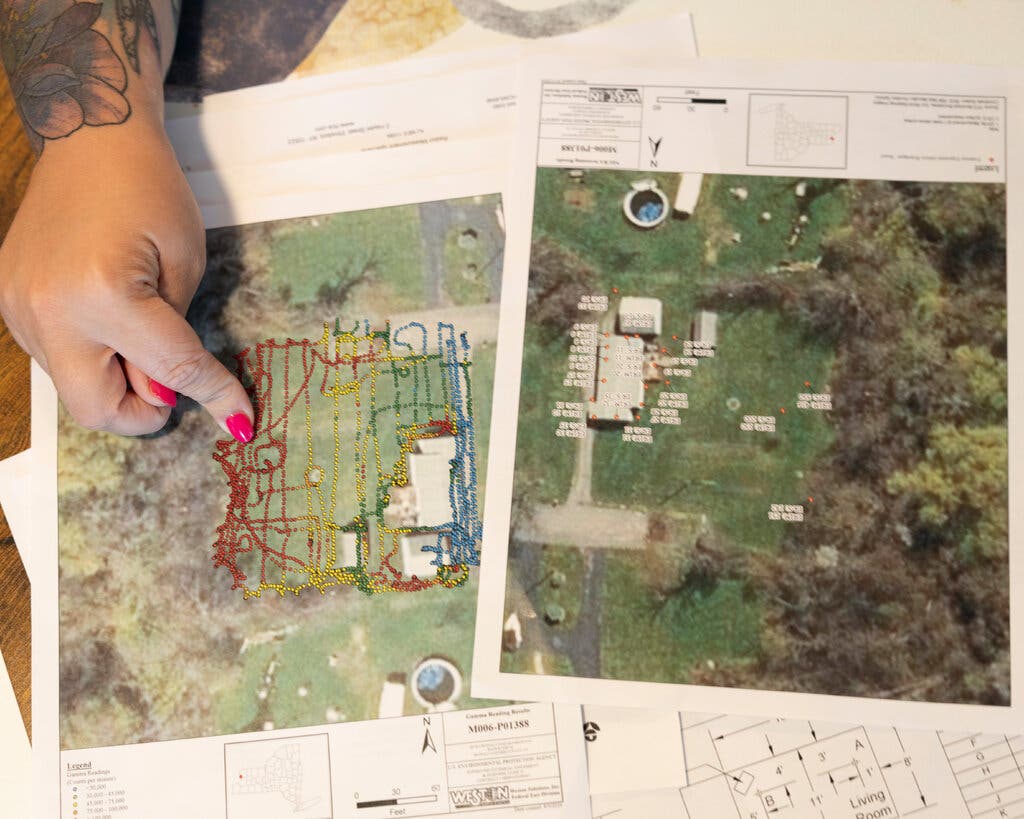
  • Federal testers found radioactive waste under a Niagara, N.Y., backyard, with readings reaching a 3-year-old's favorite swing.

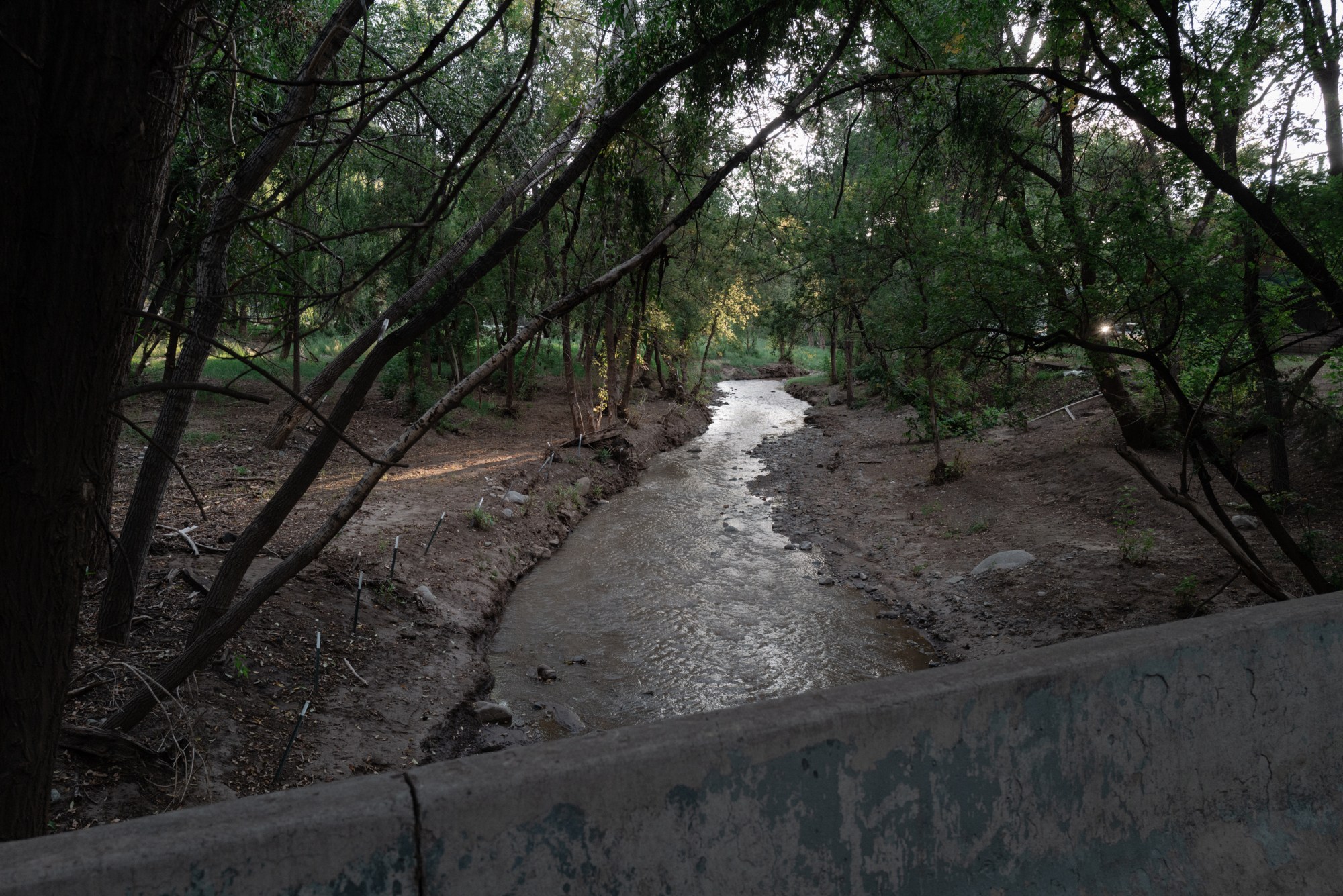
  • Ruidoso, N.M., had engineering models predicting a flood, and three people died at a riverside RV park anyway.

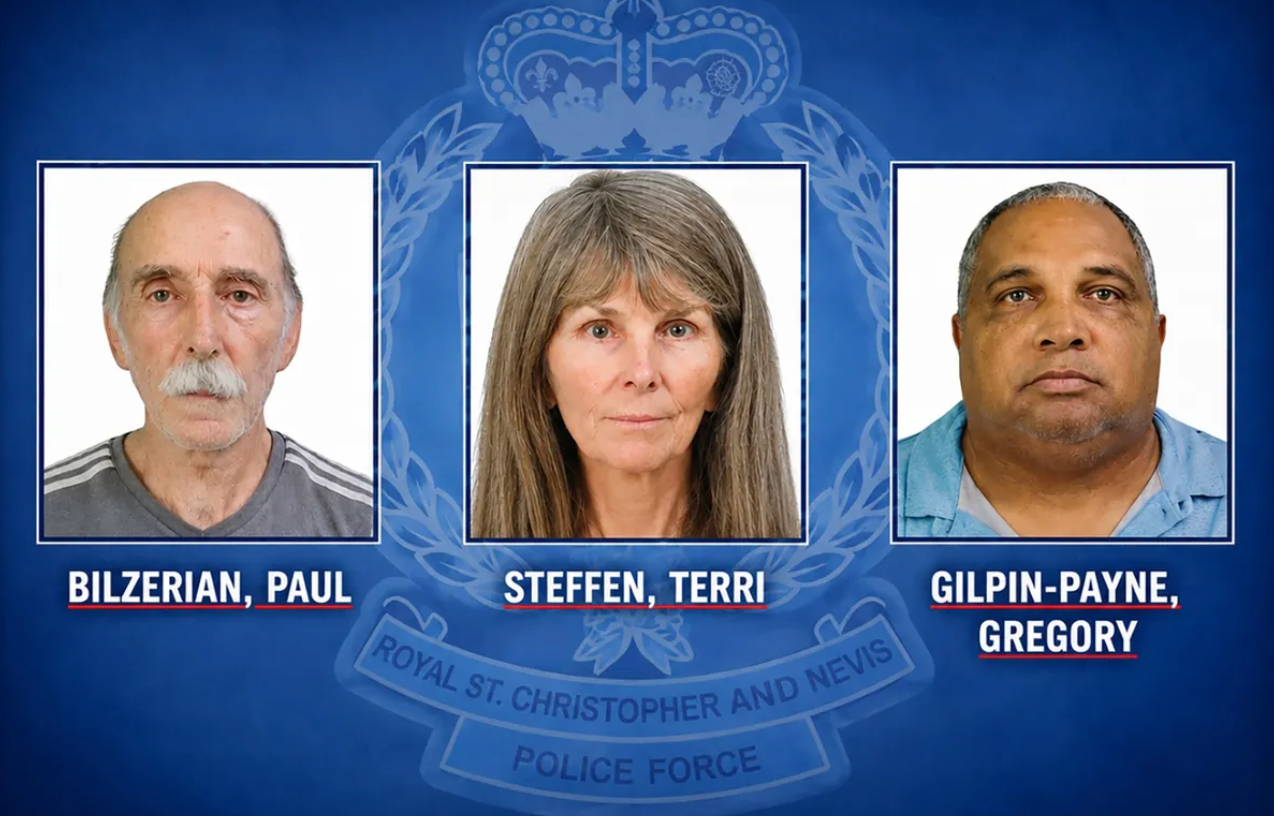
  • Instagram celebrity Dan Bilzerian says his father, a convicted corporate raider, hijacked his vape company.

  • Kathryn Jezer-Morton argues that posting our highlight reels is rewriting what we remember.

Support Lunch Break Reads

If you look forward to these four reads every day, consider joining the Lunch Club. It keeps LBR going.

Join the Lunch Club →
01 • 13 Minute Read
New York Times Christopher Maag
The Little Girl With the Radioactive Backyard
In 2024, a plane circled low over Lexi Hawk’s backyard in Niagara, N.Y., again and again. She and her partner, Trevor Bradley, had bought the house to escape nearby Niagara Falls, where Bradley grew up five blocks from Love Canal, the notorious chemical dump. The plane was part of a federal search for buried radioactive waste, mostly industrial leftovers once handed out as fill. Agencies had confirmed unregulated dumps in the region by 1981 but didn’t start looking systematically until 2023. This year, the couple’s home became one of four so contaminated that the Army Corps of Engineers offered to relocate them, with “red hot” readings reaching their 3-year-old daughter Bailee’s favorite swing. State officials call the testing proactive. Hawk, now rallying neighbors, says the government knew and let them live there. Bradley wants to know if Bailee will be okay, and doubts anyone can tell him.
Unlocked for LBR Readers →
02 • 35 Minute Read
ProPublica Abe Streep
“The River Can’t Be Trusted”
The River Can’t Be Trusted
In June 2025, Lynn Crawford, the mayor of Ruidoso, N.M., said on the radio that he didn’t understand why residents were posting flood warnings online. Wildfires in 2024 had scarred the mountains above the tourist town, and engineering models commissioned by the state and village predicted serious flooding. Federal officials had floated relocating much of the town away from the river. Instead, leaders recommitted to tourism and the racetrack, which reopened after a $16 million state rebuild. On July 8, a flood tore through a riverside RV park and killed three people, including two children of a visiting Army pilot from El Paso. Crawford had phoned the track with roughly 45 minutes’ warning, a track executive says, but no first responders came to the park. Officials say they did all they could, and Crawford has said he didn’t start the fire. The children’s parents plan to sue the village.
Read the Story →
03 • 29 Minute Read
Bloomberg Brendan Borrell
The Vape Company That Broke Up a Family
In 2025, Dan Bilzerian, an Instagram celebrity, made his own closing argument at a Los Angeles defamation trial, telling jurors his father had hijacked his vape company, Ignite. His father, Paul, a 1980s corporate raider convicted of securities fraud, had helped build the company from St. Kitts, bringing in $30 million from crypto investor Roger Ver. Dan spent lavishly while Ignite lost tens of millions, and he was later ousted as CEO and then from the board over antisemitic posts. When U.S. prosecutors charged Paul and Ignite with securities fraud, Dan, seeking to retake control, found an ally in Ver, who had put $50 million into Paul’s stem cell clinic. Last January, Ver wore a wire to confront Paul, who acknowledged sending $35 million of it to Ignite without telling him. Paul now faces fraud charges in two countries, which he disputes, and says he wants nothing to do with his son.
Unlocked for LBR Readers →
04 • 11 Minute Read
The Walrus Kathryn Jezer-Morton
What Twenty Years of Social Media Has Done to Our Memories
Around 2013, Kathryn Jezer-Morton noticed that people she knew had started posting about themselves and their families like small companies reporting to shareholders, always growing, improving, or overcoming. She argues this is more than vanity. Psychologists who study narrative identity hold that the stories we tell about our lives shape who we become, and Western culture’s dominant story is redemption. Narrative psychologist Kate McLean says research shows audiences judge both unredemptive stories and their tellers harshly, and social media’s likes and algorithms intensify that pressure. Cornell psychologist Qi Wang has found that what we post becomes what we remember best, so a highlight reel replaces the record of our lives. That, Jezer-Morton argues, erases the low points people need to work through. She makes the case for “flat stories,” lives of steady work, unremarkable hobbies, or chronic illness that don’t trend upward but aren’t sad, and which social media leaves little room to tell.
Read the Story →