This website uses cookies

Read our Privacy policy and Terms of use for more information.

LUNCH BREAK READS

Support Lunch Break Reads

If you look forward to these four reads every day, consider joining the Lunch Club. It keeps LBR going.

Join the Lunch Club →
01 • 30 Minute Read
The New York Times Mike Baker and Tim Arango
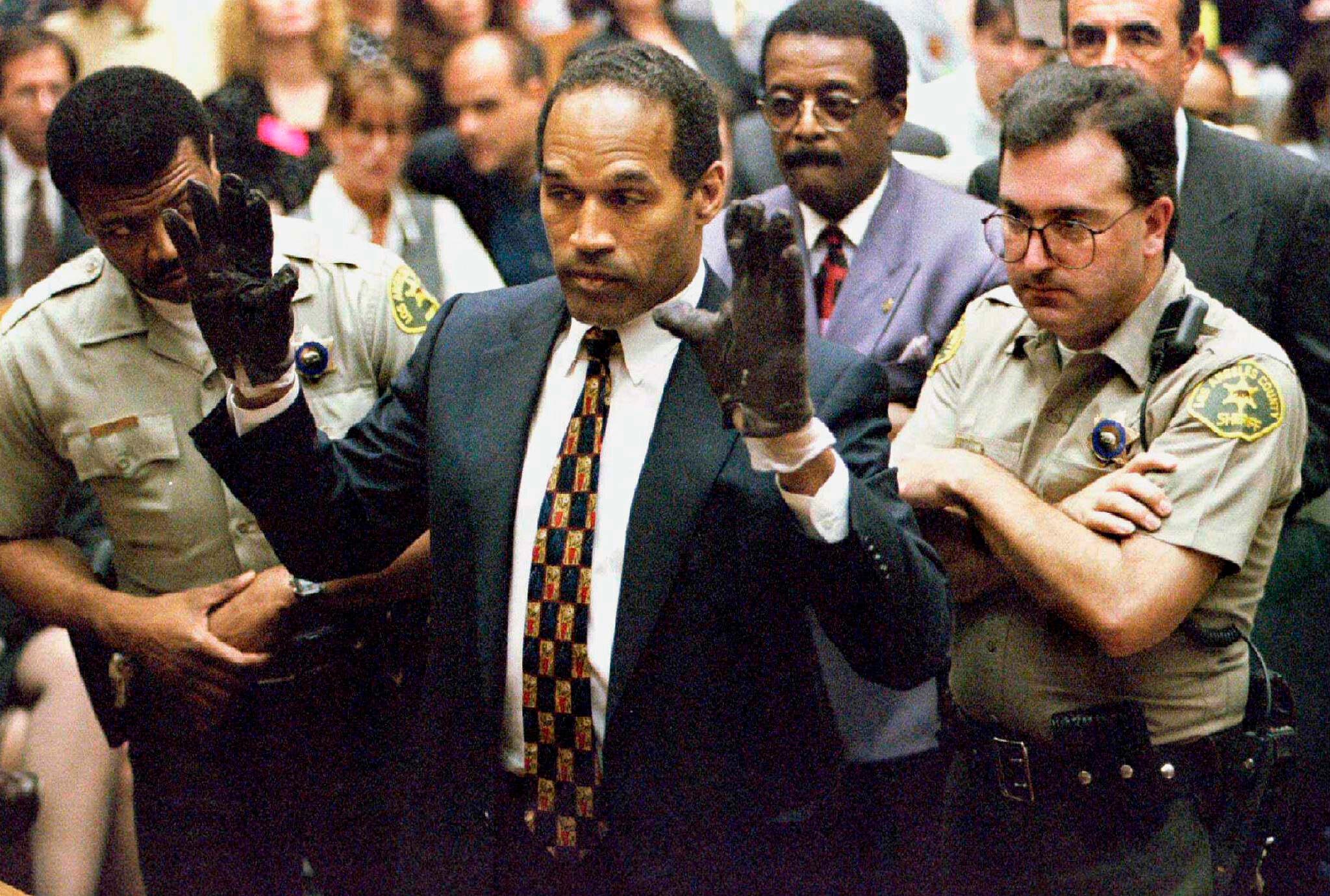
O.J. Simpson, a Secret Informant and a Decades-Old Mystery
New York Times’s Mike Baker and Tim Arango chase a lead that police and prosecutors let go cold in the O.J. Simpson case. Newly unsealed court records show that Joey Ippolito, a mafia-raised drug runner and prison escapee who was close friends with Simpson’s best friend Al Cowlings, became a federal informant in 1995 and told prosecutors about the disposal of the murder weapon. His tip reached Los Angeles after the prosecution had already rested, and he was never called to testify. Earlier this year, Ippolito’s brother Sam told the reporters that Joey left their apartment on the night of the murders to help a friend and came back with a heavy bag and what looked like blood on his hands. Then Sam asked for money and recanted his story. Simpson’s own hypothetical confession, “If I Did It,” described an accomplice who got rid of the knife. The LAPD says the case remains open.
Unlocked for LBR Readers →
02 • 24 Minute Read
The Guardian Michael Scott Moore
I was kidnapped and held hostage for 977 days. Could I forgive my captors?
In 2012, pirates kidnapped American journalist Michael Scott Moore in central Somalia and held him for 977 days, until a $1.8 million ransom freed him. Beaten and furious, he found relief in a radio homily by Pope Francis on forgiveness. He argues this is the opposite of Stockholm syndrome, in which hostages supposedly side with captors, because forgiveness protects a hostage’s sense of self rather than surrendering it. After his release, a seemingly gentle guard leader, Mohamed Tahlil, contacted him on Facebook. Moore helped the FBI lure Tahlil to New York, then regretted it, until trial testimony revealed him as a mid-level boss who controlled the pirates’ weapons. He still asked the judge for leniency, but a mandatory minimum meant 30 years. Then Bashko, a low-ranking guard whose sentence Moore had helped cut, called from prison to apologize and ask forgiveness. Moore, caught off guard, said yes.
Read the Story →
03 • 10 Minute Read
BBC Sophie Hardach
'It was jaw-dropping': The shocking lessons from an infamous experiment in obedience
The shocking lessons from an infamous experiment in obedience
In 1961, Yale psychologist Stanley Milgram recruited volunteers for a supposed memory study and told them to shock a stranger each time he answered wrong. The shocks were fake, but 26 of the first 40 men kept going to the maximum, potentially lethal level. Milder replications since have found 70% to 90% of people obey to the end, men and women alike. Brain scans at Belgium’s Ghent University suggest why. Following orders quiets regions tied to empathy, guilt, and responsibility, making compliance take less mental effort than refusal. Personality predicts little. The setup matters more, including an authority who claims responsibility, gradually rising demands, and no time to think. When victims sat in the same room, obedience fell sharply. Researchers say pausing to reflect, noticing when blame is being shifted, and seeing others refuse all help. Research on Rwanda’s 1994 genocide found rescuers often grew up watching relatives help strangers.
Read the Story →
04 • 18 Minute Read
The Atlantic Sarah Hepola
How the Rabbit Revolution Went Too Far
A new rabbit vibrator with 22 speeds would not switch off, and minutes before a podcast taping, Sarah Hepola was racing it toward her front door. She tells her own story here, from a first orgasm in the ’90s via a beige Brookstone massager her mother gave her for back pain, through a nightstand drawer so full it barely closed. Now 52, never married, Hepola wonders whether orgasms on demand made solitude too easy to settle into. She has tossed several. The same convenience culture that sold them is already pitching chatbot boyfriends.
Unlocked for LBR Readers →