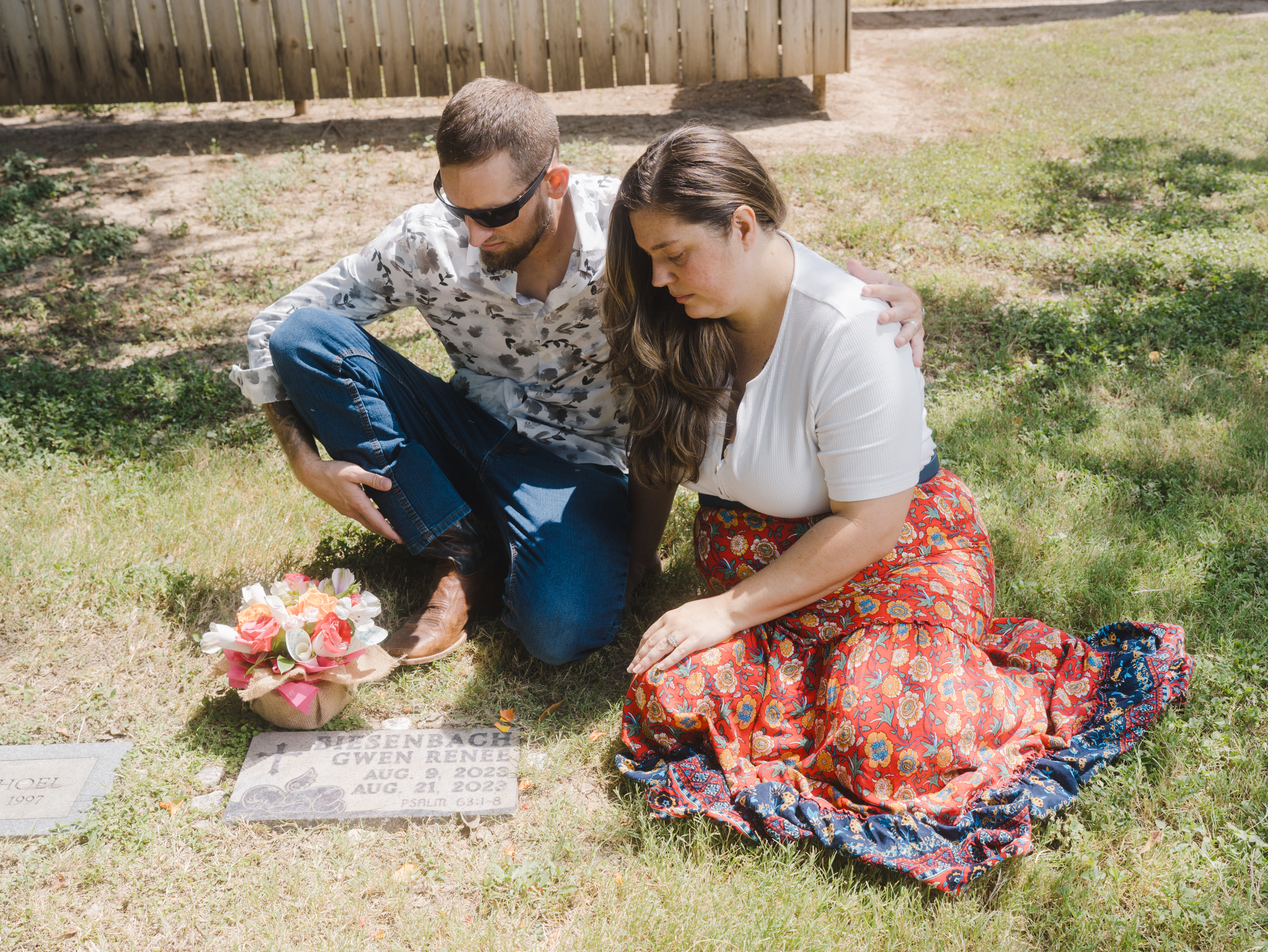
When Gwen Biesenbach’s umbilical stump began bleeding in August 2023, her parents had already declined the vitamin K shot most U.S. newborns get at birth and were giving her oral drops instead. At a freestanding emergency room in Texas, Dr. Nicole Malouf spent nearly three hours trying to stop the bleeding. The facility had no vitamin K, and the ambulance to a San Antonio hospital took almost two hours to arrive. Gwen, 11 days old, died that morning of vitamin K deficiency bleeding. The shot had nearly wiped out the condition, but it’s rising as more parents refuse the shot. The Texas Medical Board found Malouf failed to recognize the disorder or transfer Gwen promptly. Malouf neither admitted nor denied the findings and says she did all she could. Yet the family’s malpractice case fell apart after their own expert blamed the drops. The Biesenbachs say they would get the shot now, but they believe the ER’s delays mattered more.
In the first week Massachusetts allowed online sports betting in March 2023, 2,441 people in an anonymized card-spending database made their first sportsbook deposit. Most went on to bet only occasionally. But 149 of them, about 6%, came to deposit at least once a day, a pattern researchers link to problem gambling. By September 2026 they had each lost an average of about $56,600. Sportsbooks depend on people like them. Across 29 states, the least active two-thirds of bettors produce under 3% of revenue, while gamblers showing likely problem behavior account for about 60%. DraftKings and FanDuel say betting is entertainment and point to tools like deposit limits, and an industry lobbying group says focusing on heavy bettors distorts the picture. Meanwhile, prediction markets have brought sports betting to all 50 states, and 85% of the heavy bettors are still gambling.
When a college freshman was still in her dorm room 10 minutes before a math test, her mother, watching her location from home, asked a group chat of other moms to send someone to knock on her door. Sarah Zhang argues that scenes like this are becoming normal because phones make it effortless to act on every parental worry. By one researcher’s count, more than half of college students are now tracked by their parents. Teens are safer than ever, yet experts warn that constant monitoring stunts the independence adolescents need and feeds parents’ own anxiety, since checking an app brings relief that never lasts. The co-founder of Life360, a popular tracking app, says it actually lets parents grant more freedom. Zhang finds that parents who let their kids ride buses or buy groceries untracked are usually surprised by how well it goes, though many still can’t bring themselves to turn the app off.
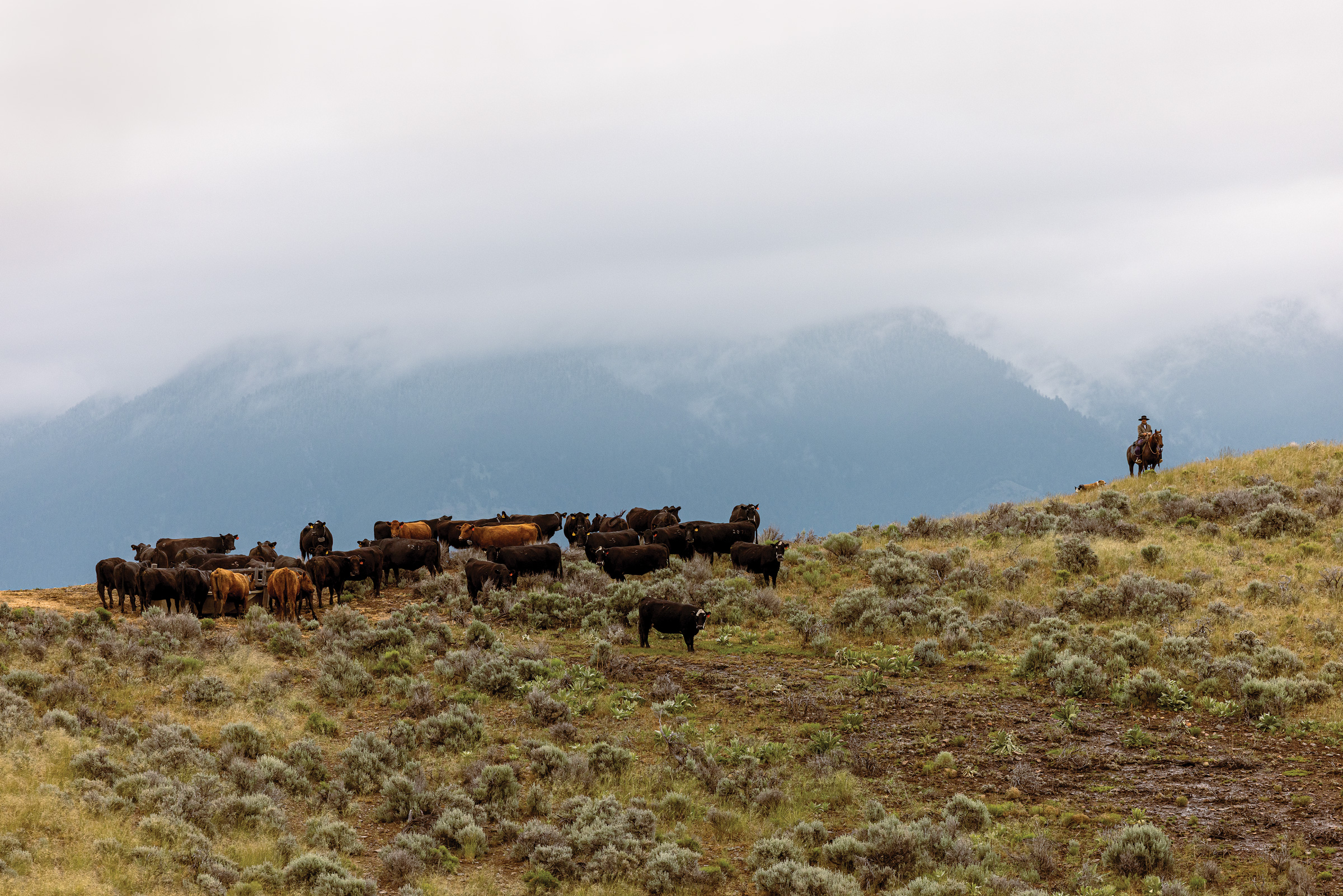
On a ranch near Two Dot, Montana, cattle wear GPS collars that beep, then shock, when a cow nears a boundary the ranchers drew in an app. About 620,000 miles of fencing crisscross the West, much of it barbed wire that has divided land since the 1870s and blocks the movement of wildlife like pronghorn. Virtual fencing, sold commercially since about 2021, offers an alternative to rebuilding fence, which can cost $15,000 a mile or more after wildfires. By spring 2026, ranchers were managing 270,000 acres of grazing land in central Idaho with it. But the technology is still young. Lanie and Harrison White, the siblings who run the Montana ranch, pulled their first set of collars after they kept breaking and the batteries died fast, then tried again with a different company. Signals drop in mountain terrain, the costs favor big ranches, and cows still cross lines to reach water. Few ranchers trust the collars enough yet to tear down the wire.