This website uses cookies

Read our Privacy policy and Terms of use for more information.

LUNCH BREAK READS

01 • 20 Minute Read
Bloomberg Rachel Adams-Heard and Joe Lovinger
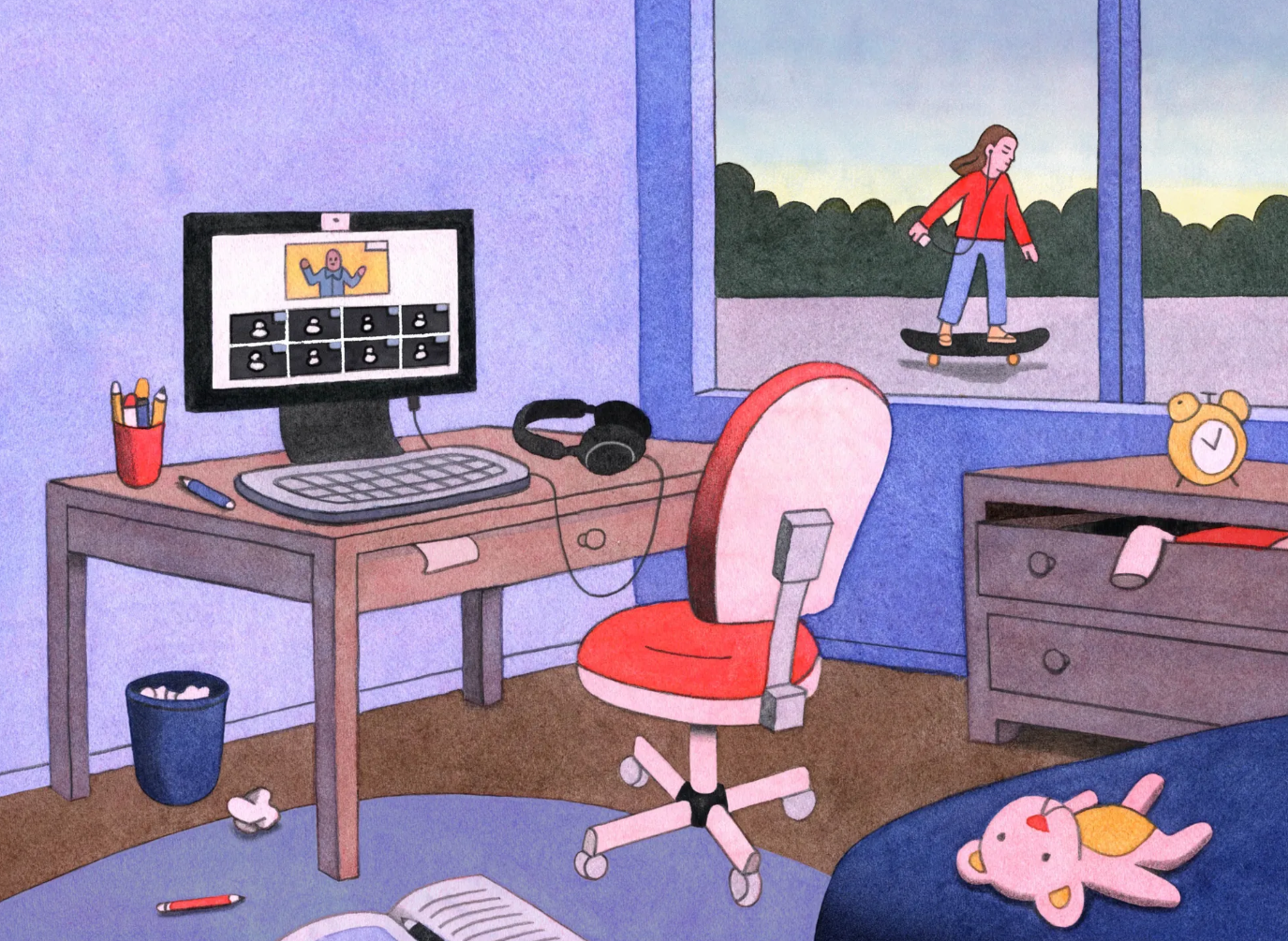
Texas Pays Online School Empire For Kids Who Don’t Show Up
Stride online school story for Bloomberg
Hallsville, Texas, has 4,628 residents and one of the country’s largest public schools, an online academy whose nearly 25,000 students mostly never visit. The school is run by Stride, the nation’s largest virtual school operator, which has thrived since Texas lawmakers in 2025 guaranteed online students full per-pupil funding regardless of attendance. Host districts keep a cut and pass the rest to Stride, which has collected over $1 billion from Texas taxpayers in five years. Records show about 14,000 academy students were flagged as truant, and just 5% met grade level in math. When another Stride school with 14,000 students closed this summer after years of poor performance, the company moved families into new programs at other districts eager for the fees. Stride says it follows state law and that its students arrive far behind, but pending state rules could shut repeatedly failing virtual schools and bar their operators.
Unlocked for LBR Readers →
02 • 16 Minute Read
The Washington Post Ian Ward
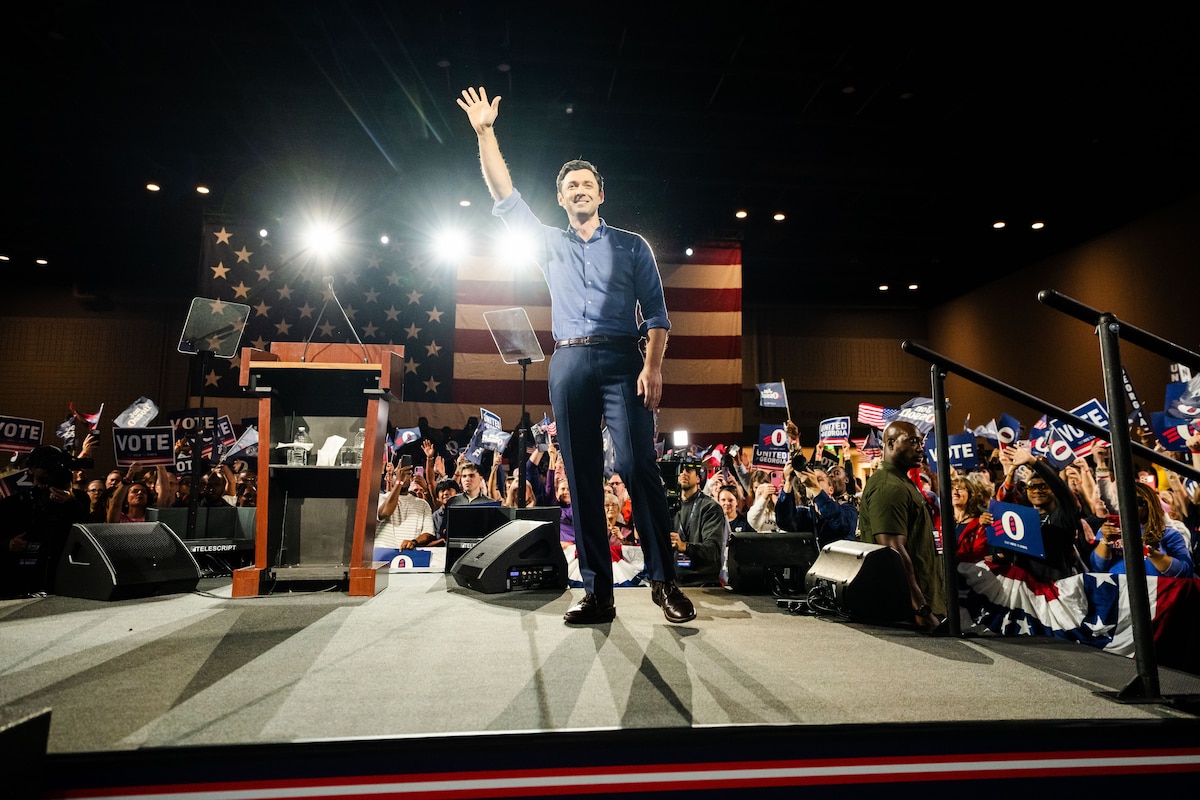
Jon Ossoff’s films exposed corruption. Then his colleague was murdered.
Jon Ossoff for The Washington Post story
In January 2019, gunmen on a motorbike killed Ghanaian journalist Ahmed Hussein-Suale Divela outside Accra, months after he helped expose bribery in African soccer and a Ghanaian lawmaker publicly urged people to beat him. Divela had worked with Insight, a documentary company Jon Ossoff had run since its founder hired him as CEO at 26. Ossoff rebuilt its finances, tightened security, and learned how to turn corruption investigations into compelling films. Divela’s killing, still unsolved, convinced him that real change required politics, and eight months later he launched his Senate bid in Georgia. Now seeking reelection, the Democrat is hammering President Trump on corruption, and clips of him grilling nominees regularly go viral. Former colleagues say they recognize the producer they knew, and some Democrats see a possible 2028 presidential contender.
Read the Story →
03 • 16 Minute Read
Esquire Ryan D'Agostino
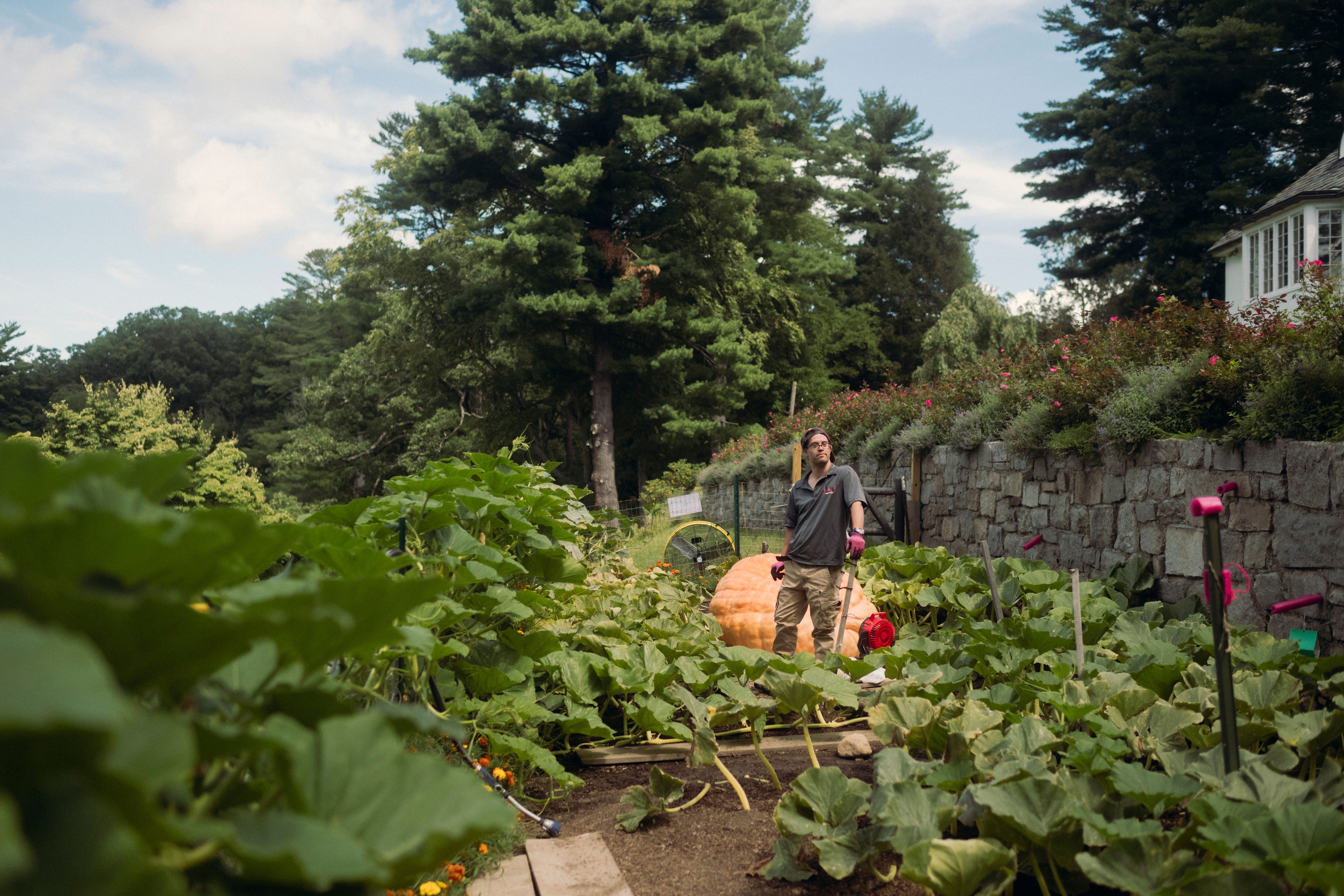
In Gabe Kavookjian’s Life, Most People Are the Same. But Not Him.
Gabe Kavookjian for the Esquire story
Most days, Gabe Kavookjian walks a mile down a quiet Connecticut road to buy a blueberry muffin, a walk where he sometimes forgets, for a few seconds, that he has Down syndrome. At 35, he works at the Prospector, a theater in nearby Ridgefield that employs adults with disabilities, where he films preshow videos and dreams of Hollywood noticing. His old high school friends now bring their wives and kids to see him, and he wants what they have. But someone once told him he’d never date because he has Down syndrome, and since he can’t drive, he hasn’t asked out the woman he’s loved since 2022. He even prefers working alongside people without disabilities, who don’t remind him he’s different. His parents are nudging him toward living with a roommate, and he isn’t sure, though he wonders, as they do, whether he could be happier.
Read the Story →
04 • 25 Minute Read
Aeon Neil Van Leeuwen
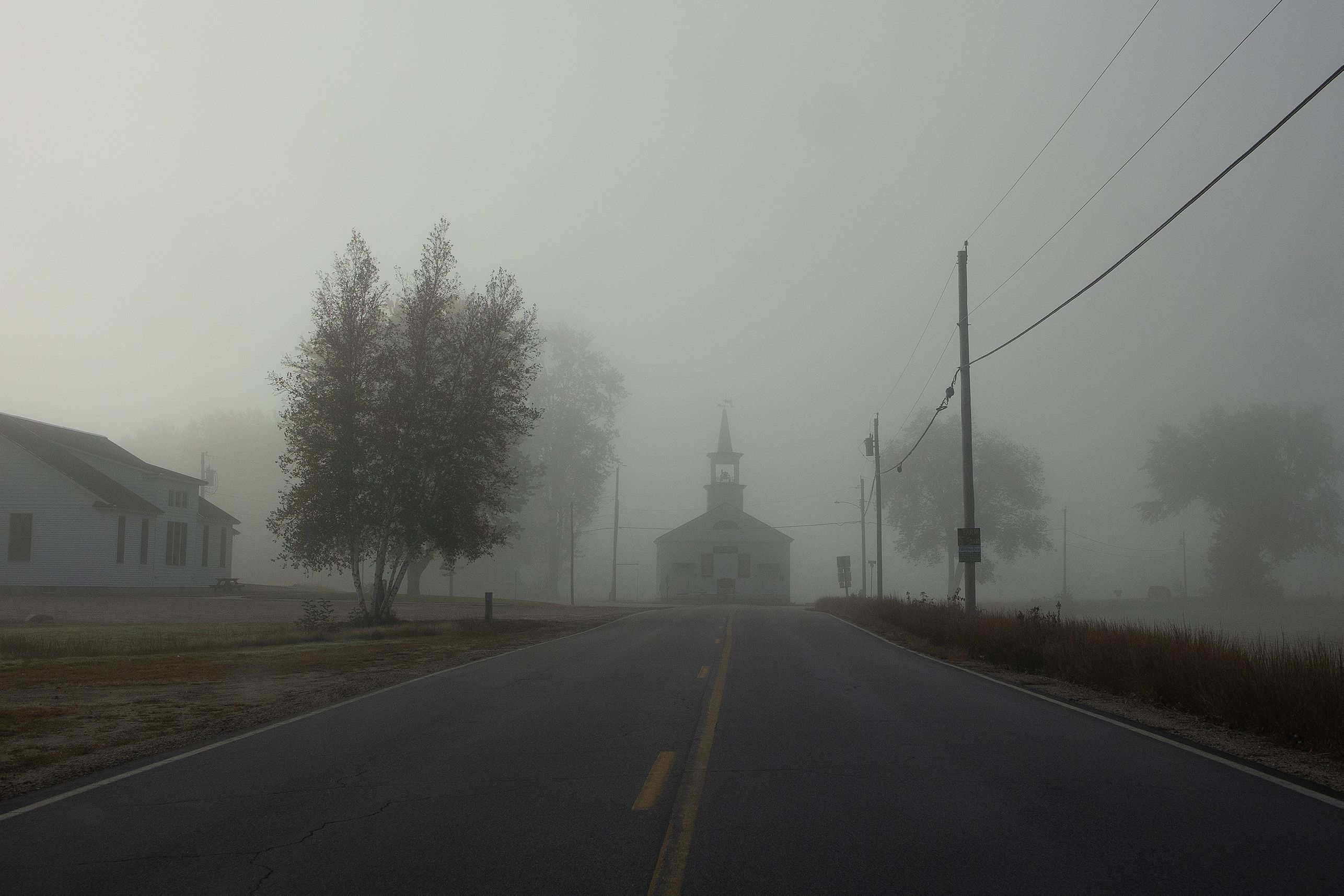
The Psychology of Separating Church and State
Illustration for the Aeon essay on church and state
In 1802, Thomas Jefferson told a group of Connecticut Baptists that government could reach people’s actions but not their opinions, building “a wall of separation between Church and State.” Philosopher Neil Van Leeuwen and law professor Jacob Eisler argue it isn’t that simple, since governments shape beliefs all the time, through schools and safety warnings. So what makes religious belief different? Not its subject matter, they say, but the way people hold it. Factual beliefs are involuntary, change with evidence, and guide everything we do. Religious beliefs are chosen, survive without evidence, and mostly switch on during worship, which is why the devout give more to charity mainly on Sundays. That difference, they argue, justifies both halves of the First Amendment. Faith can’t be argued with, so it can’t be the basis for laws in a democracy. And because believers set it aside in public life, the state can leave it free in private.
Read the Story →

Support Lunch Break Reads

If you look forward to these four reads every day, consider joining the Lunch Club. It keeps LBR going.

Join the Lunch Club →

Other Stories Worth Reading

NPR
Federal authorities investigate cause of deadly plane crash in Florida
Associated Press
NASA telescope is on the verge of plunging back to Earth after failed rescue mission
Reuters
Crew from NASA's simulated Mars mission emerges after 378 days in isolation