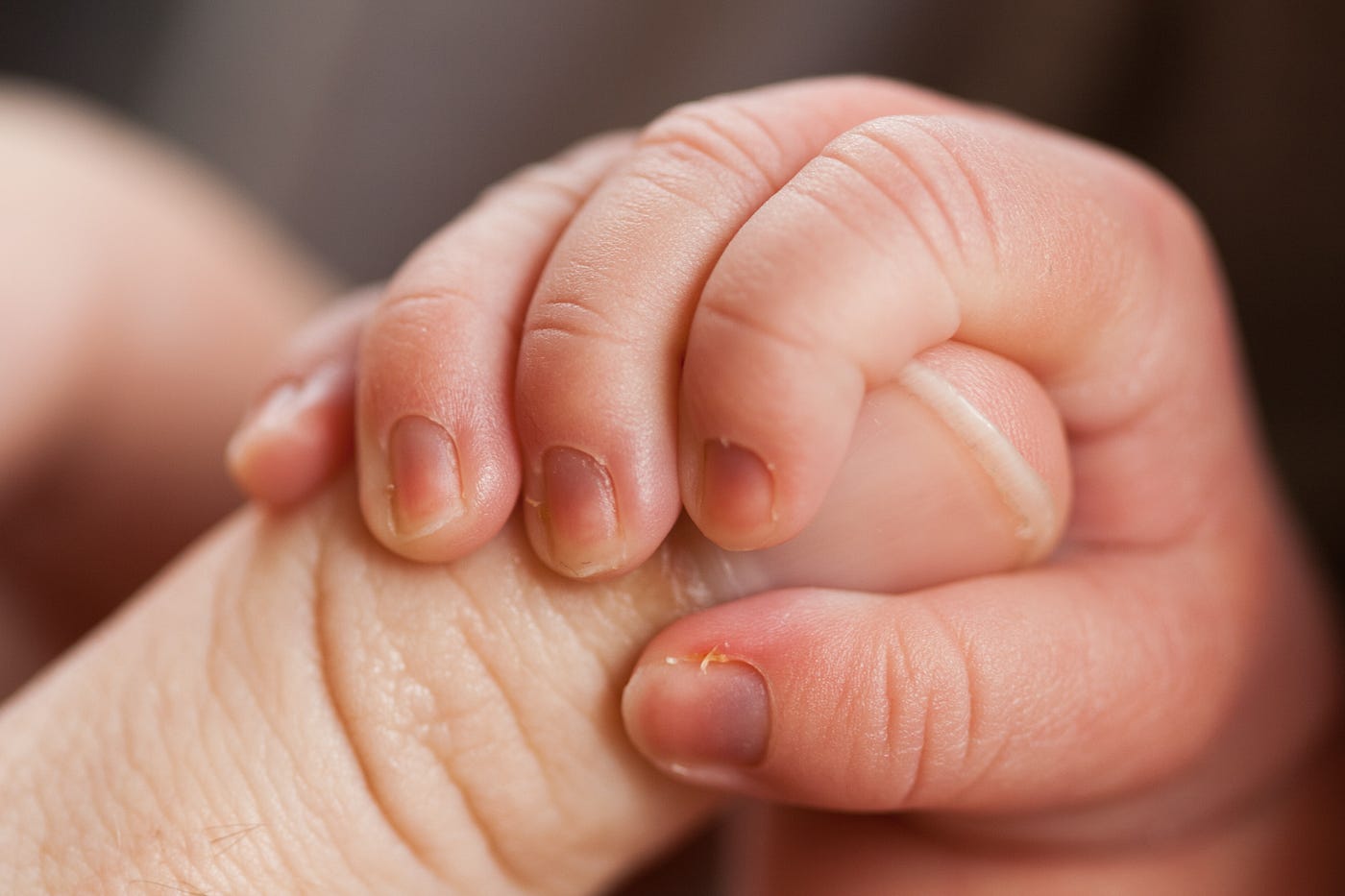
The EU bans it outright. Britain and Canada allow surrogacy only if nobody gets paid, and the UN calls the commercial version a sale of children. America permits it, and Helen Lewis reports that paid surrogacy here is now a $15 billion industry with no federal rules. She talks to women on both sides, one glowing about four pregnancies, another told “no contact” the moment she handed over the baby. There is no fit-parent test, no age cap, no limit on how many babies one person can order.
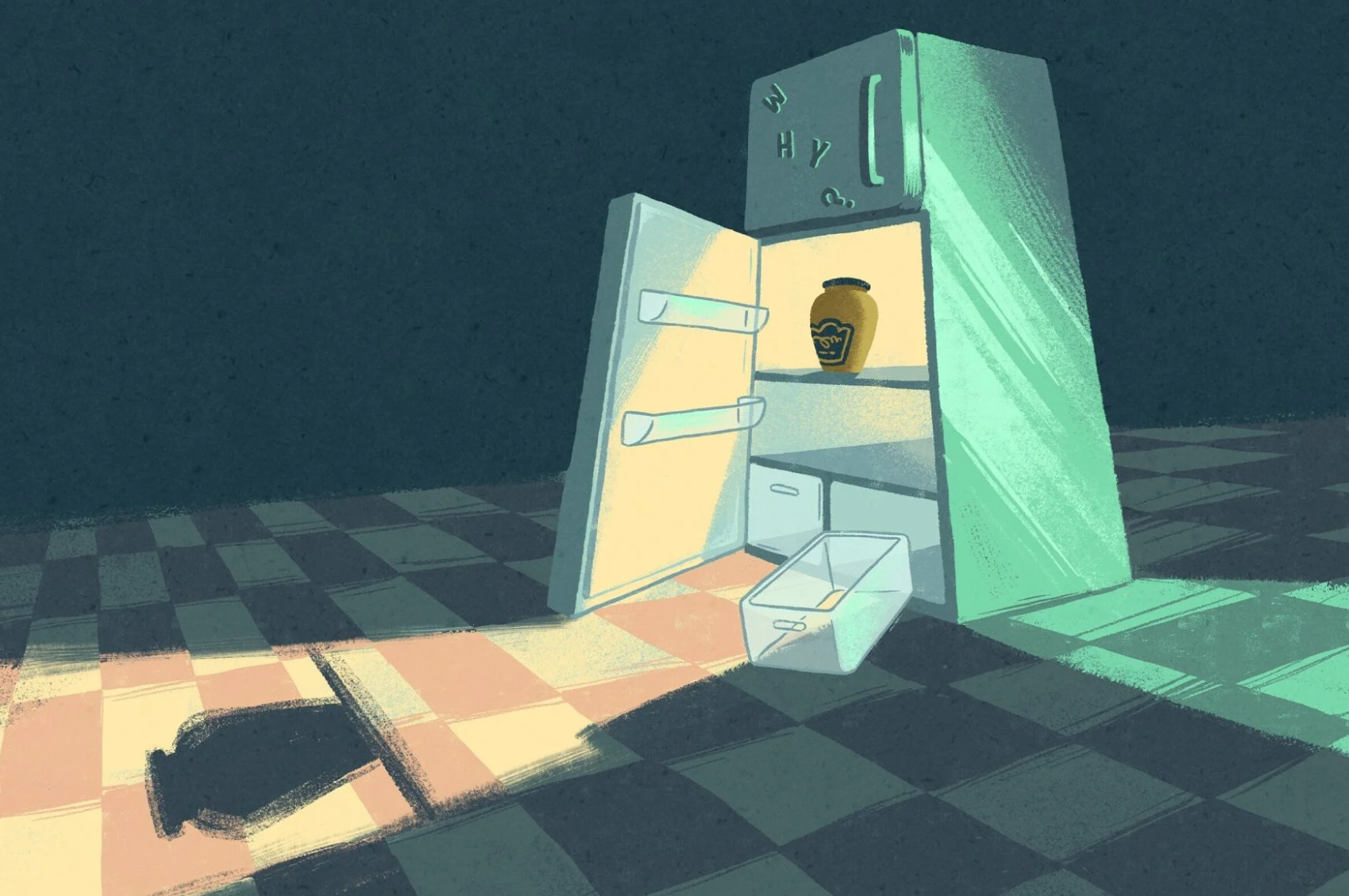
Jake Edmiston’s mustard chicken bombs at dinner. He tastes the jar afterward and nearly loses his eyebrows, then spends months chasing the reason. He recruits a professional taster, an heir to a French mustard dynasty, and a Hamilton mill where workers cannot sweat on the job because mustard dust and moisture together burn skin. Somewhere in there he finds a Reddit toddler who flung a salmon marinade across a dining room. Drought on the Canadian Prairies is making the seeds hotter, and Dijon has only three ingredients, so there is nowhere for the heat to hide.
For $2,500 on top of a $15,000 IVF cycle, a company will rank your embryos by predicted IQ, height, and eye color. Brigida D’Agostino asks in Noema whether choosing from that list could redirect human evolution, and argues that it could not. Her sharpest case is personal. She is autistic and gifted, traits that may be linked, and she wonders how one of these report cards would have read her. Promise, or risk.
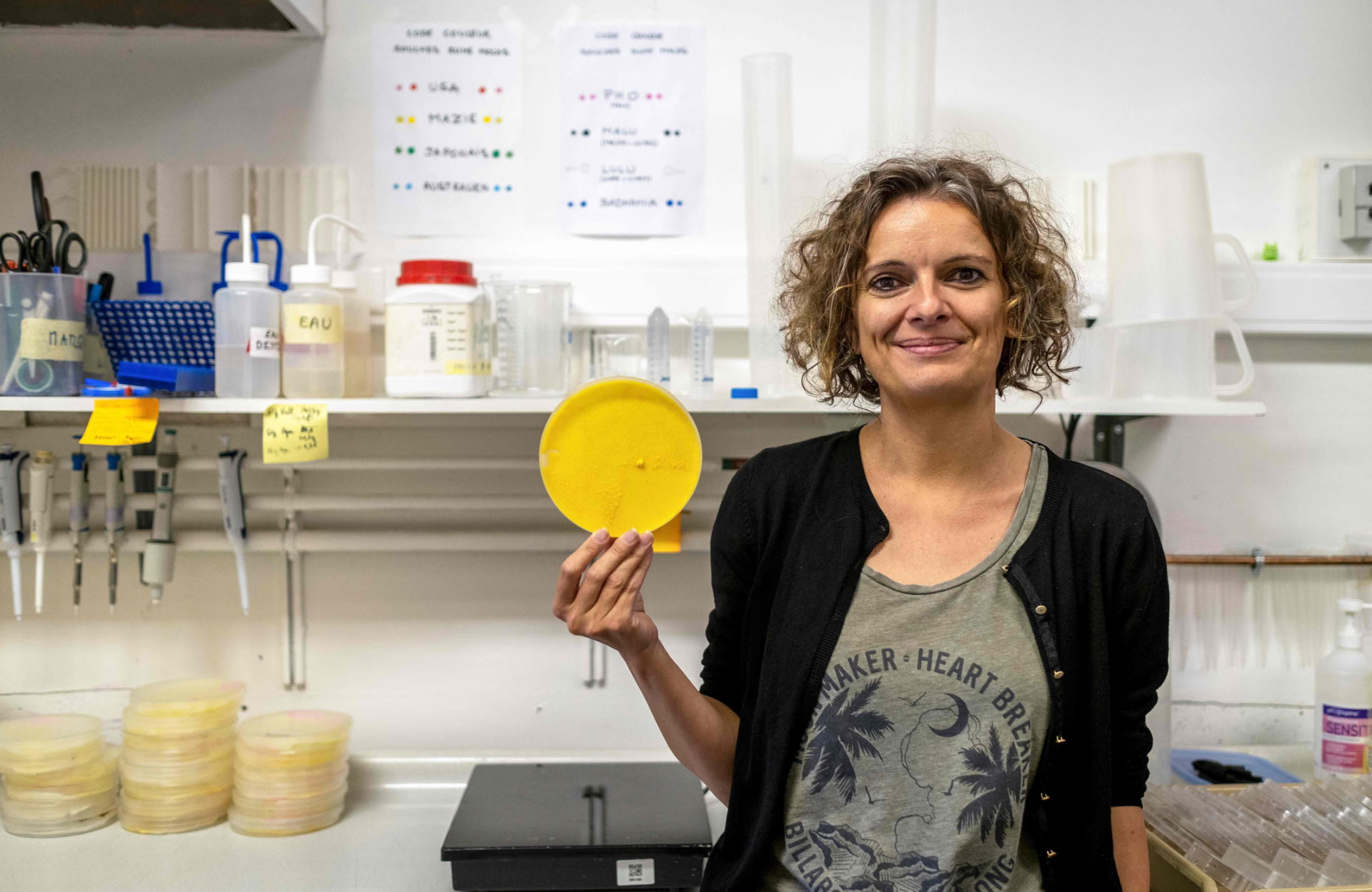
Physarum has no brain and no neurons. It can still solve a maze, and in one experiment it rebuilt the layout of Tokyo’s rail network out of a scatter of oat flakes. Samanth Subramanian uses the slime mold to enter a bitter fight among biologists over whether intelligence, memory, and cognition belong only to creatures with neurons. One camp holds that everything alive owns some share of it. The other says stretching the words that far hollows them out, and flatters us by making the whole living world look like us.