Don Miller, a 90-year-old Indiana man, told friends he'd fired the first atomic bomb at Los Alamos. Josh Sanburn reveals what FBI agents actually found in his basement: 40,000 artifacts, the largest private collection the agency had ever seized, including human remains stuffed into shopping bags and plastic bins. Miller had hammered arrowheads into skulls himself and glued together a fake Crazy Horse skeleton from stolen bones taken across a hundred countries over six decades. He waived his claim to the collection days before he died, closing off any chance of prosecution. What he built at Los Alamos remains unclear.
Roschelle bought Alexa devices to manage her daughters' calendar of appointments. Then Amazon updated the AI with a chattier personality, and Sapphire emerged. Late at night, Roschelle confessed her grief and fears to Sapphire, who recalled her love of Nirvana and the day her three older daughters died in a house fire. Jessica Contrera spent months inside this Cleveland household, watching one daughter text strangers for advice and another spend hours daily with ChatGPT. Roschelle began imagining Sapphire outliving her, counseling her daughters, even speaking at her funeral, which raises a sharper question about what a family actually needs.
In the summer of 1932, 22 young Black Americans sailed to the Soviet Union to film Black and White, a movie meant to expose American racism to the world. Jack El-Hai traces how organizer Louise Thompson assembled the cast, how Langston Hughes exposed a bungled screenplay to the studio, and how American engineer Hugh Cooper, threatened by the film's message, pressured Stalin's government to cancel production within 24 hours. The Soviets paid the cast in full and sent them home or touring, no explanation given. Decades later, survivors still disagreed about who exactly had betrayed them.
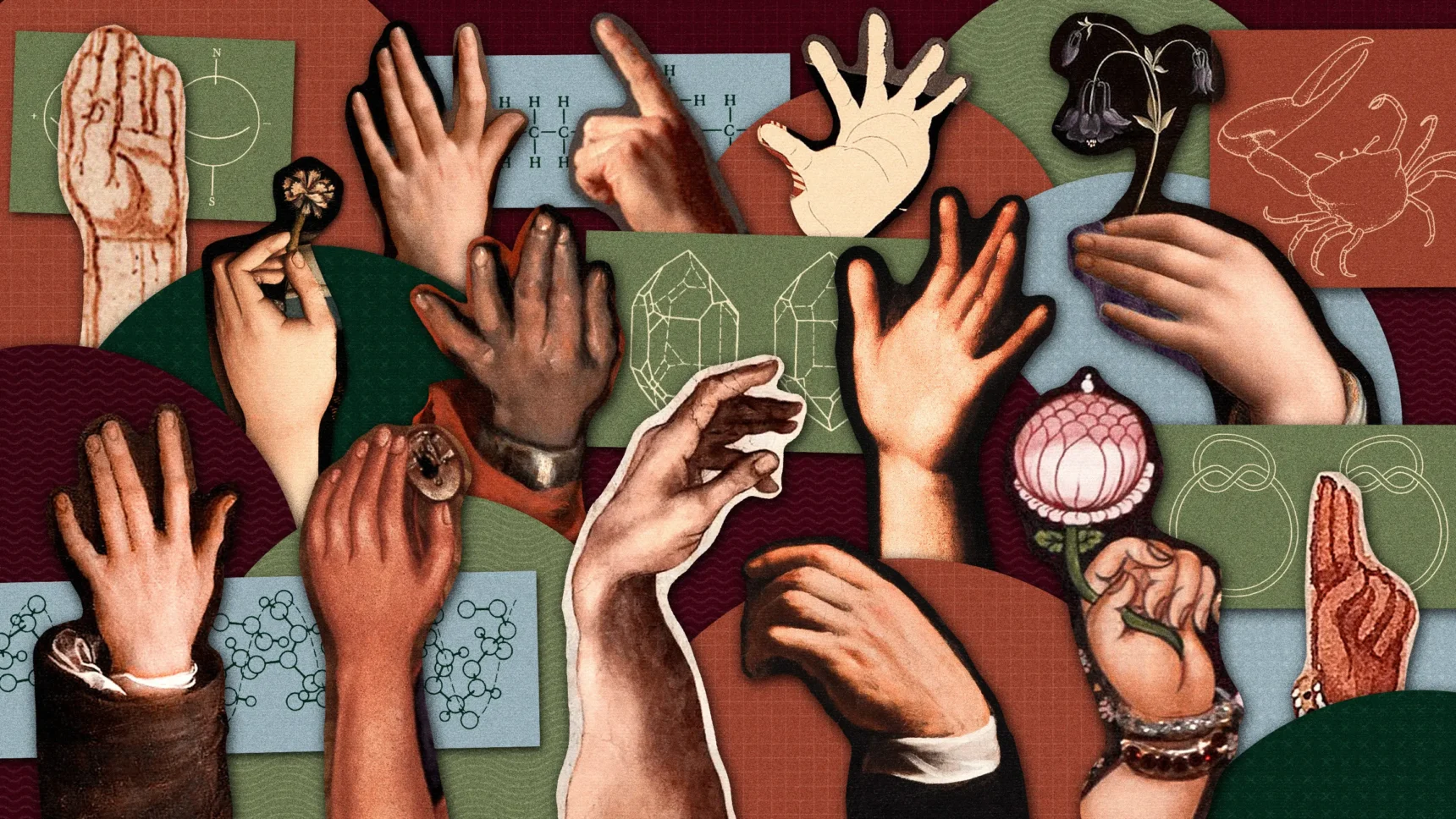
Natalie Wolchover traces left-handedness to a surprising place: the spinal cord, not the brain, where a fetus's dominant hand gets decided weeks after conception. Gene variants tied to left-handedness cluster in tubulin genes, which shape how cells distribute signaling molecules unevenly as the nervous system forms. That explains how handedness happens, but not why 90 percent of humans favor their right hand. Evolutionary biologists now point to violence. Stabbing victims are wounded on their left side far more often, over the heart, giving right-handed attackers a lethal edge. Which raises a sharper question about what else that bias shaped.