On a blacked-out night in San Francisco, a Waymo hesitated at a dead intersection and made national news. That same day, roughly 115 Americans died in ordinary car crashes. Nobody covered those deaths. Neurosurgeon Jonathan Slotkin examined why a stalled robot drew more outrage than a death toll ten times its size. Waymo's driverless fleet cuts serious-injury crashes by 94 percent compared to human drivers, yet trust barely moved. Slotkin drew on three decades of healthcare research into the gap between being safe and feeling safe. If the data proves the machines are safer, what are we still afraid of?
Elon Musk told Pentagon officials he wanted to build Starfleet Academy, quoting a franchise built on a post-capitalist future with no billionaires. Ali Rıza Taşkale examined how Silicon Valley's biggest names raided science fiction for aesthetics while discarding its politics. Mark Zuckerberg named Facebook's metaverse after a novel warning against exactly what he built. Peter Thiel funded seasteading from a book about prisoners and deportees, not entrepreneurs. Each founder kept the spaceships, the surveillance tools, the frontier towns. Each left behind the democracy, the mutual aid, the critique of power. Whose future did they actually leave behind?
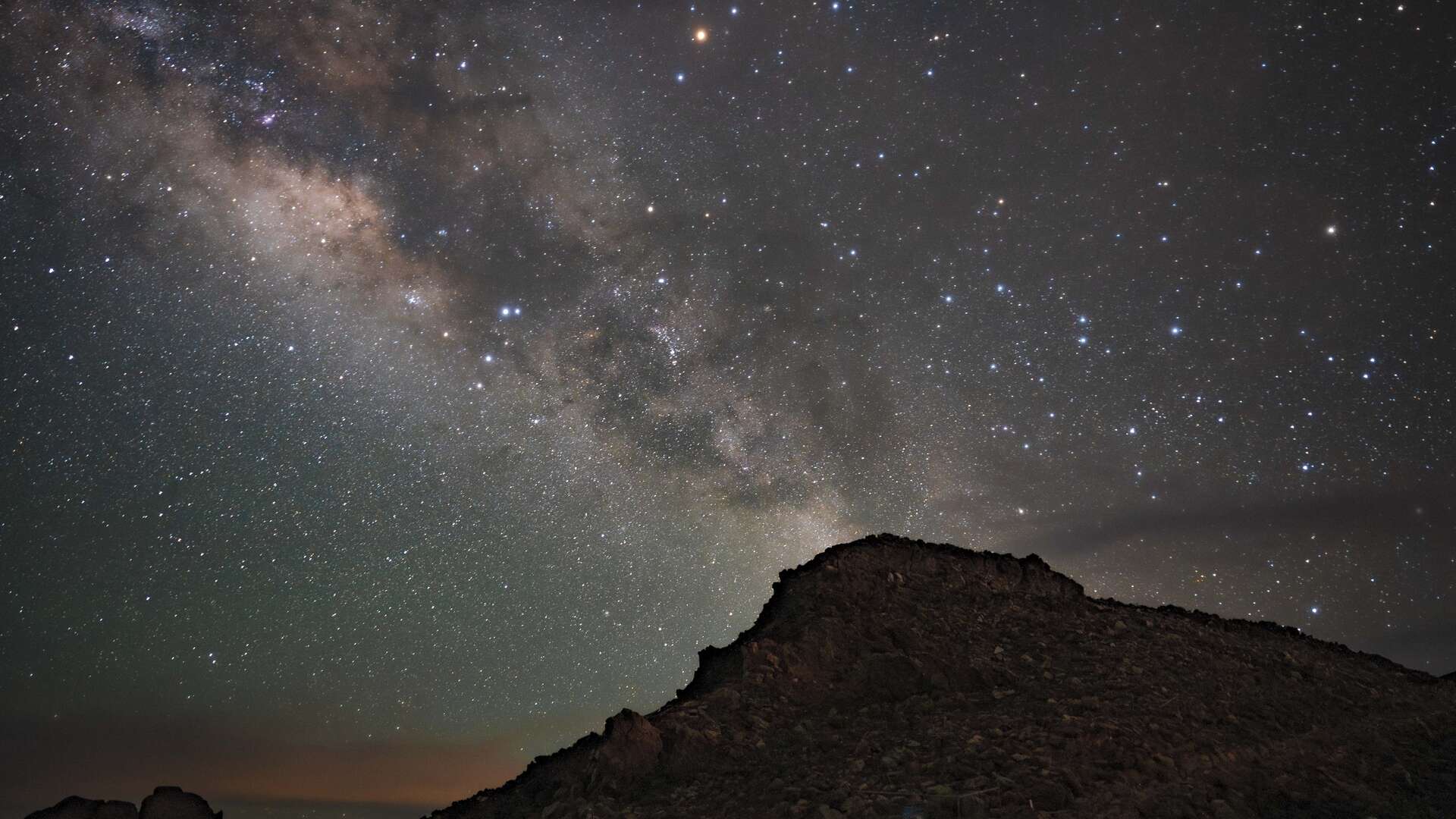
Ninety-nine percent of Americans lived under light-polluted skies that grew brighter every year. Matt Crossman followed the scientists and advocates fighting to bring the dark back. Las Vegas light pollution reached Death Valley, 93 miles away. A 24-year Harvard nursing study linked heavy night-light exposure to a 14 percent higher breast cancer risk. Dung beetles, which navigate by starlight, lost their way and brawled in the dark. Sea turtles mistook hotel signs for the moon and walked onto highways. Most outdoor lights went up with no plan at all. Would anyone even notice if the dark came back?
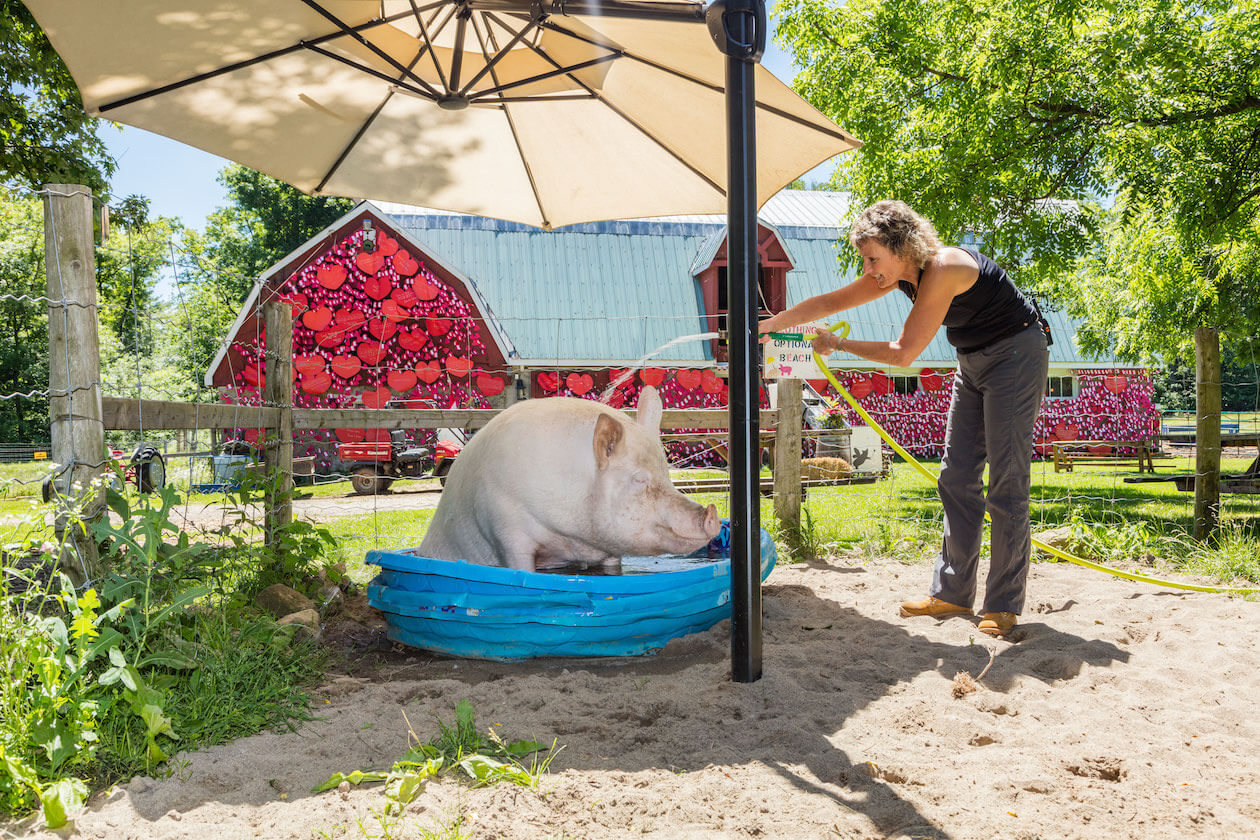
Steve Jenkins and Derek Walter adopted a pig they were told was a teacup breed. She grew to 650 pounds. Jason McBride spent a month inside the sanctuary that pig built, watching 1.5 million Facebook followers turn into a $1,000-a-day operation. The couple built a bedroom and a costume closet around one pig while housing dozens of other rescued animals in the barns outside. Other sanctuaries accused them of exploiting Esther for fame. Jenkins and Walter kept posting anyway. Billions of factory-farmed animals live and die the way Esther never will. What do you owe the animals nobody's watching?